
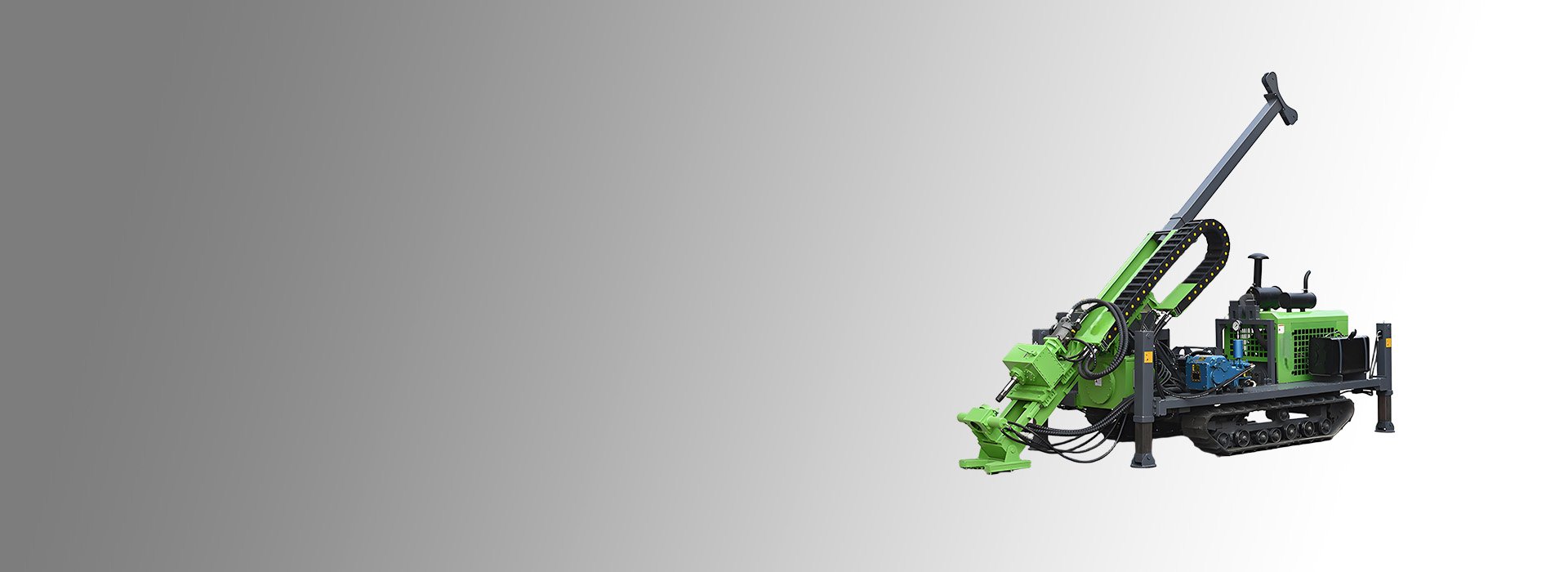
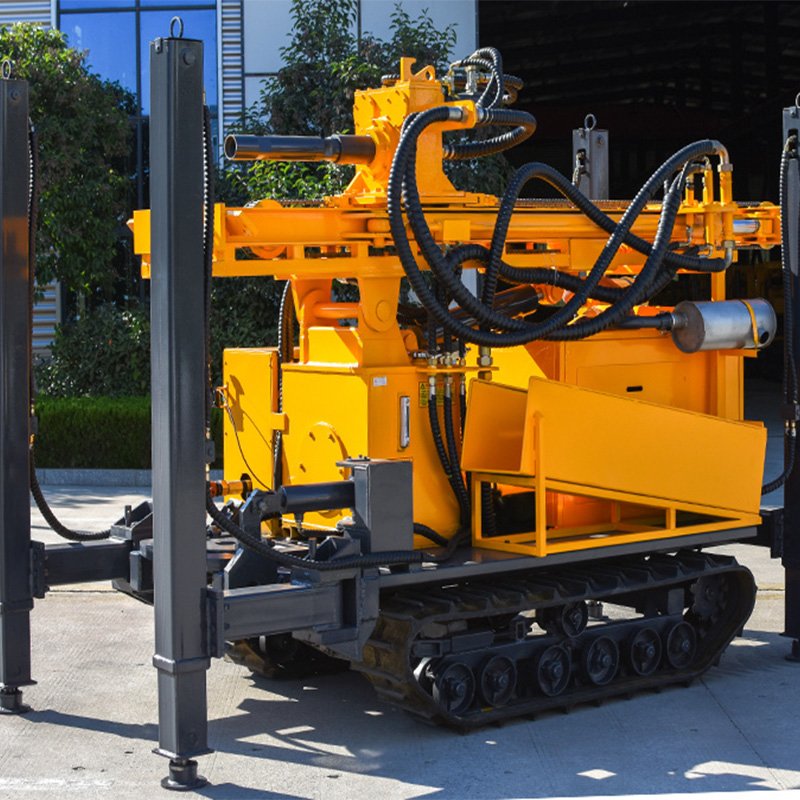
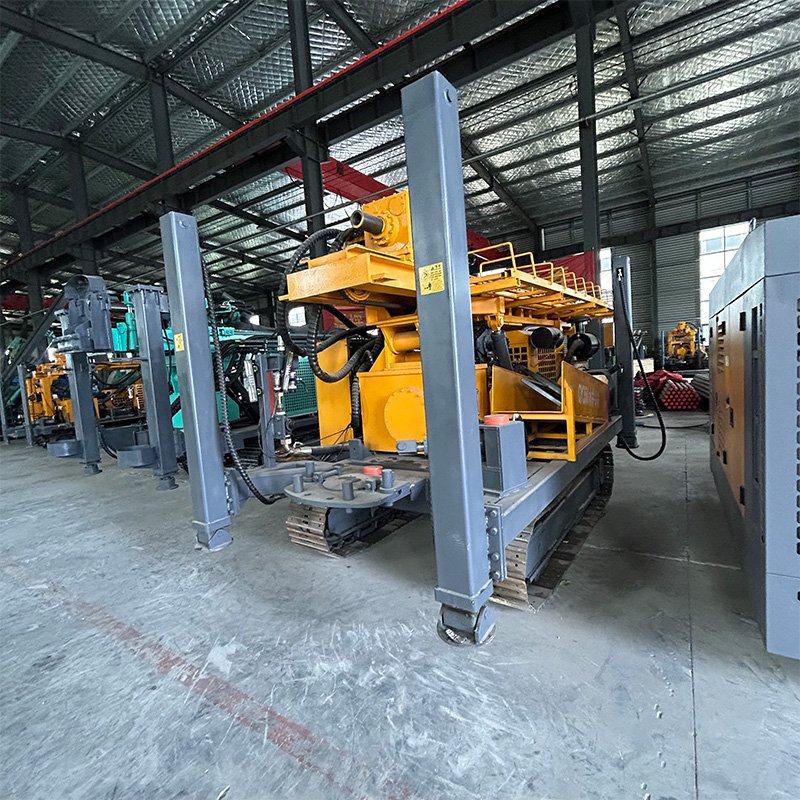
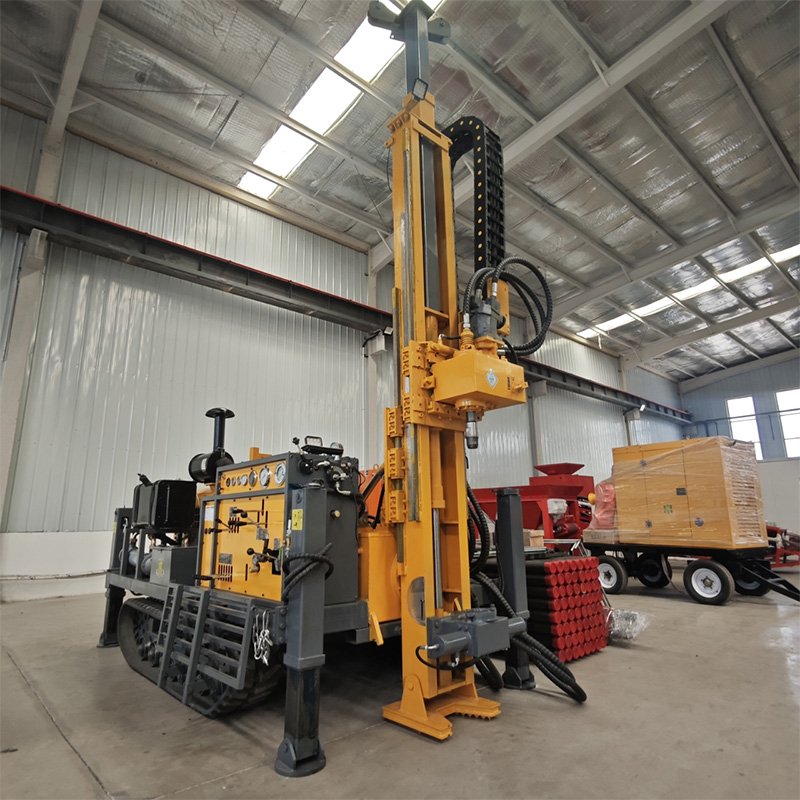
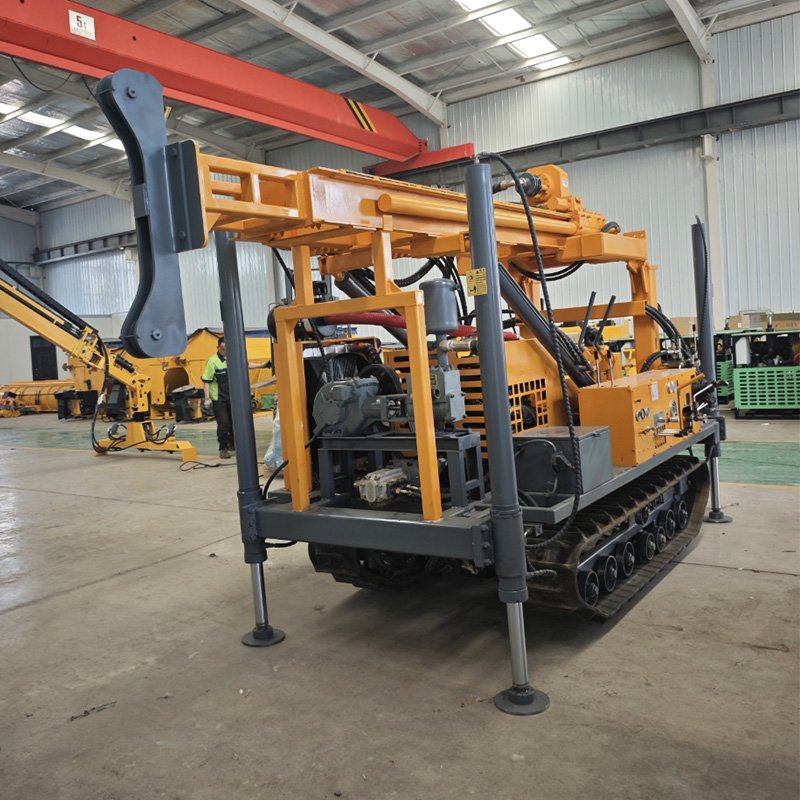
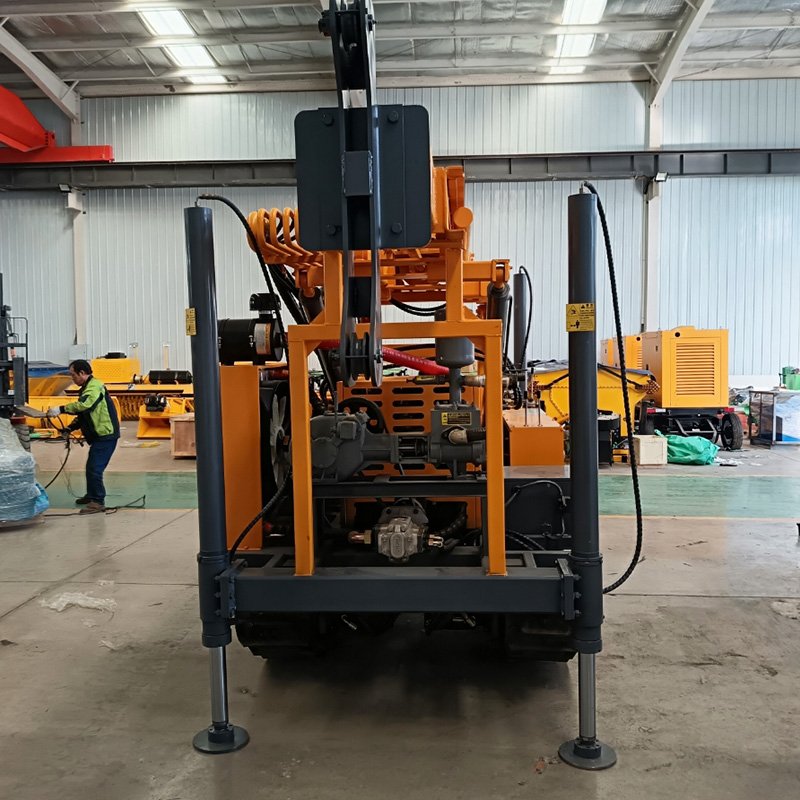
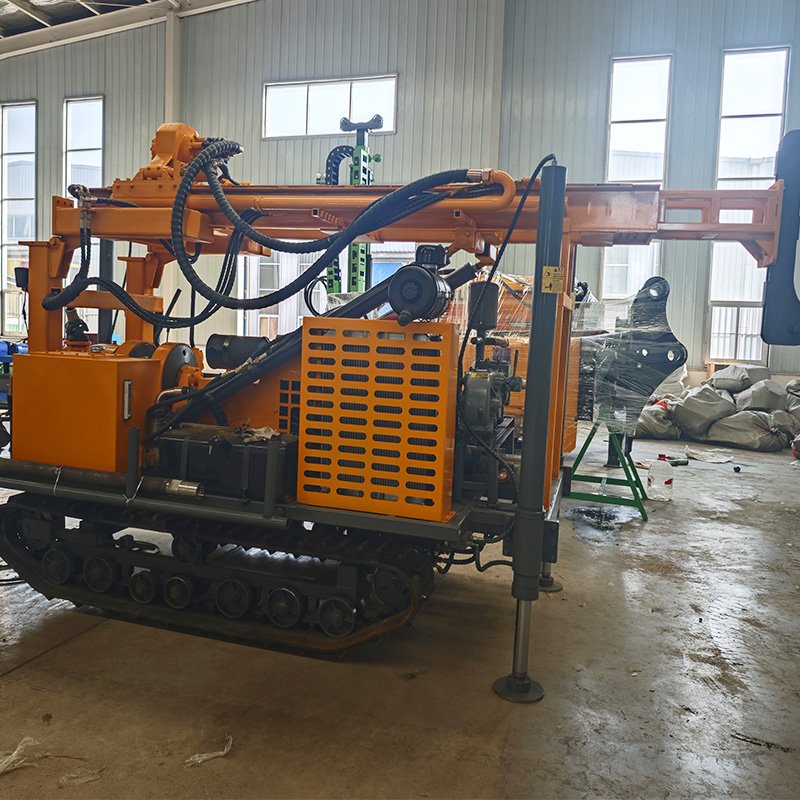
Main Advantages of Core Drilling Rig
As a professional underground core sample drilling equipment, the core drilling rig has absolute advantages in six aspects.
- Adaptable to a wide range of working conditions, flexible, and easy to drill
- Complete coring and clear identification of stratigraphic stratification
- Equipped with an automated control system to accurately locate the ore body
- Minimal damage to the ground surface, the modular design reduces transportation and installation risks
- Supports directional drilling, hydraulic rope process
- Synchronized data for accurate assessment of mineral and stratigraphic conditions
What Is Core Drilling Rig
Core drilling rigs are specifically designed for drilling cylindrical core samples and are used in fields such as geological exploration, mineral exploration, engineering surveys, and scientific research. Their primary purpose is to obtain original structural information about underground rock layers, providing a basis for resource assessment, geological research, or engineering design.
Core Drilling Rig by Features
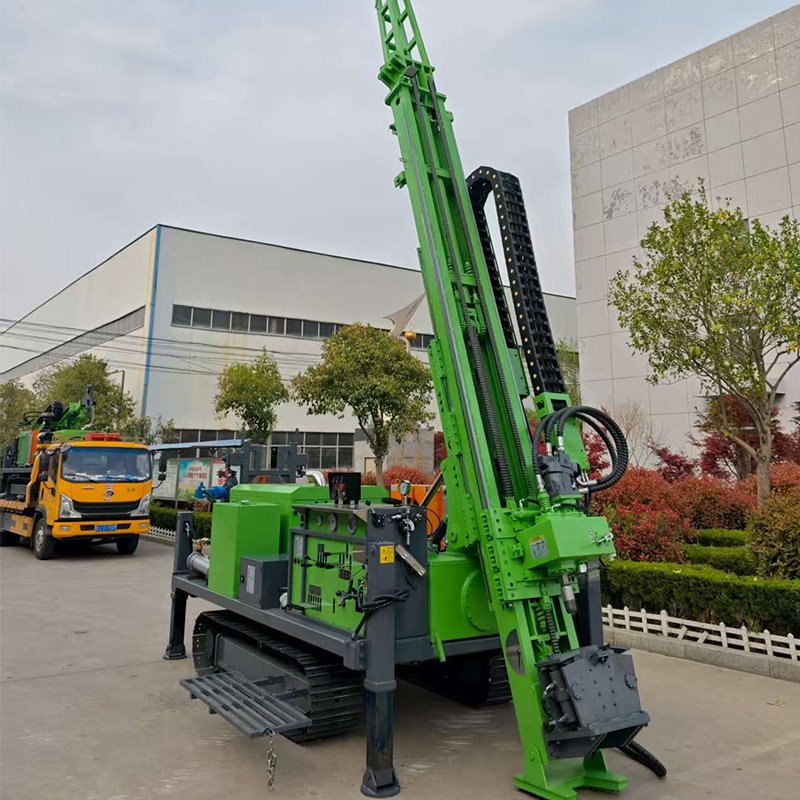
Geological core drilling rig, used for geological structure research, rock type analysis, and core sample extraction, while maintaining the original structure of the strata.
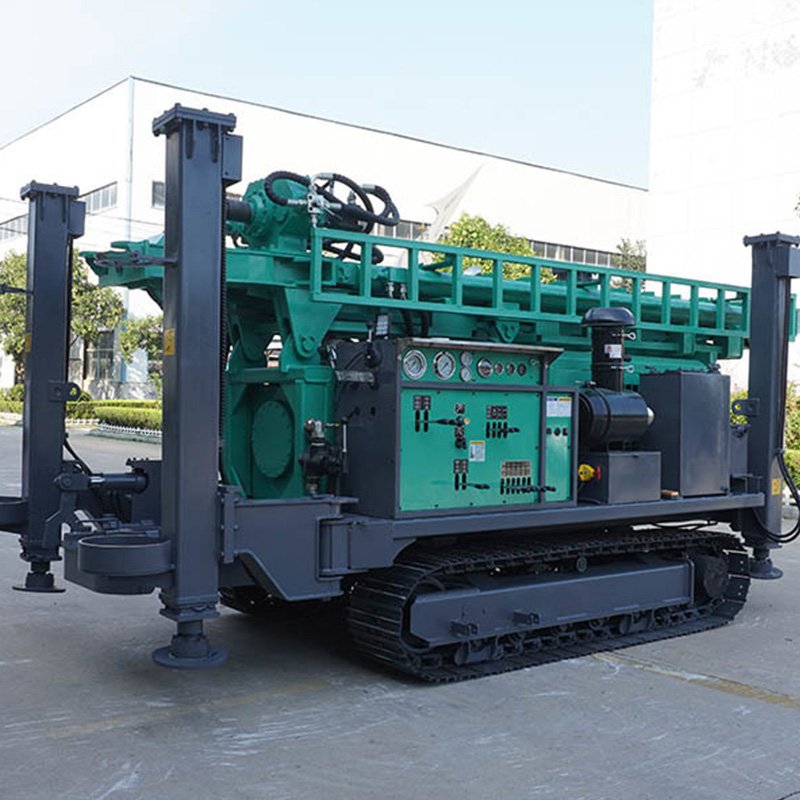
Engineering core drilling rig provide geotechnical parameters for construction projects such as buildings, bridges, and tunnels. They are lightweight and flexible, suitable for short boreholes.
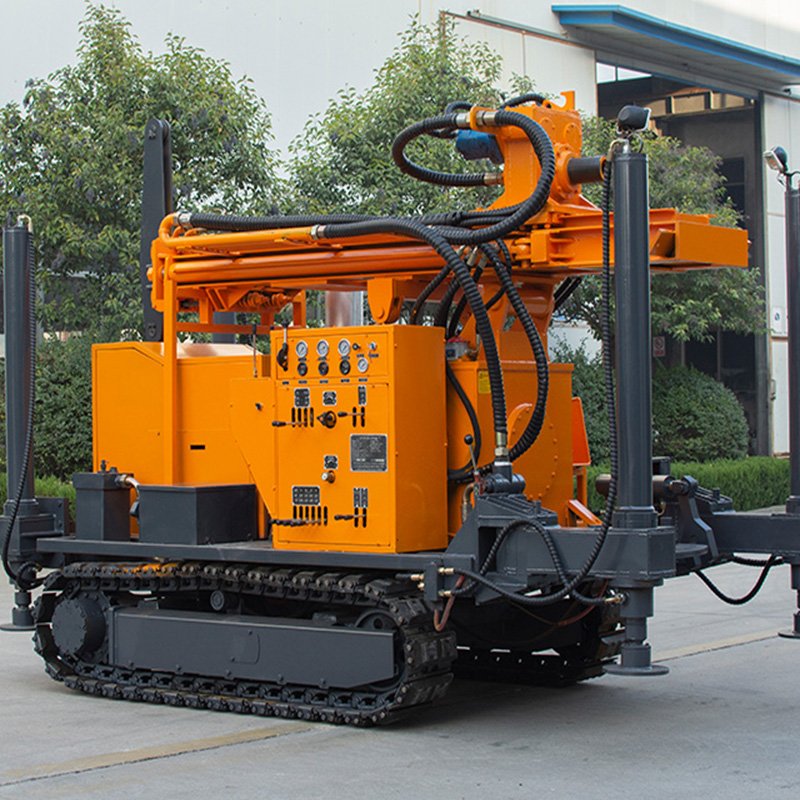
Hydrological core drilling rig are used to drill groundwater monitoring wells, water supply wells, or geothermal wells, emphasizing large boreholes.
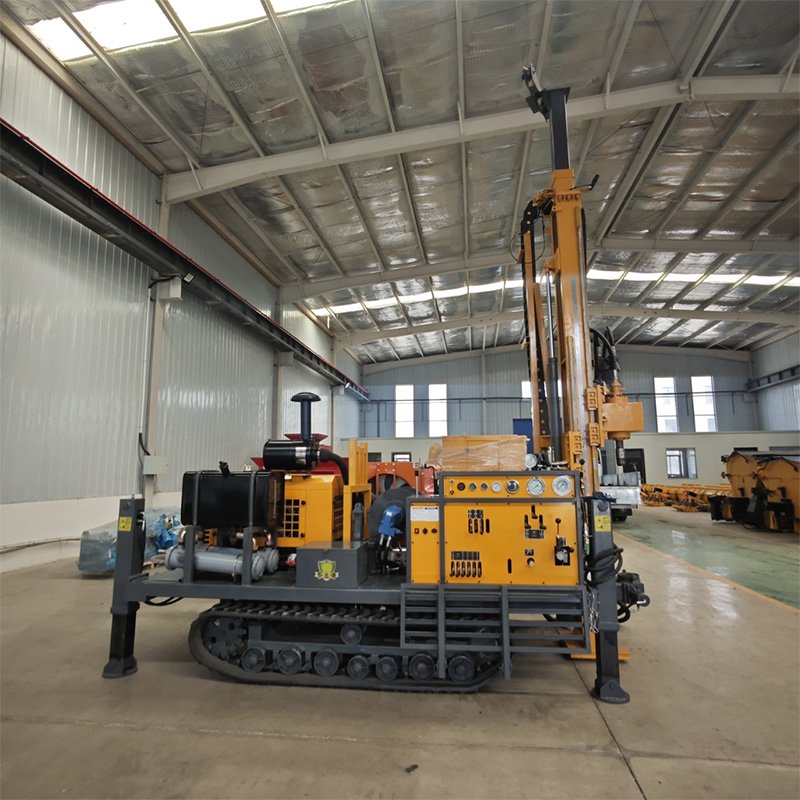
Oil and gas core drilling rig are used for core sampling in oil and natural gas exploration and development, capable of operating in high-temperature and high-pressure strata.
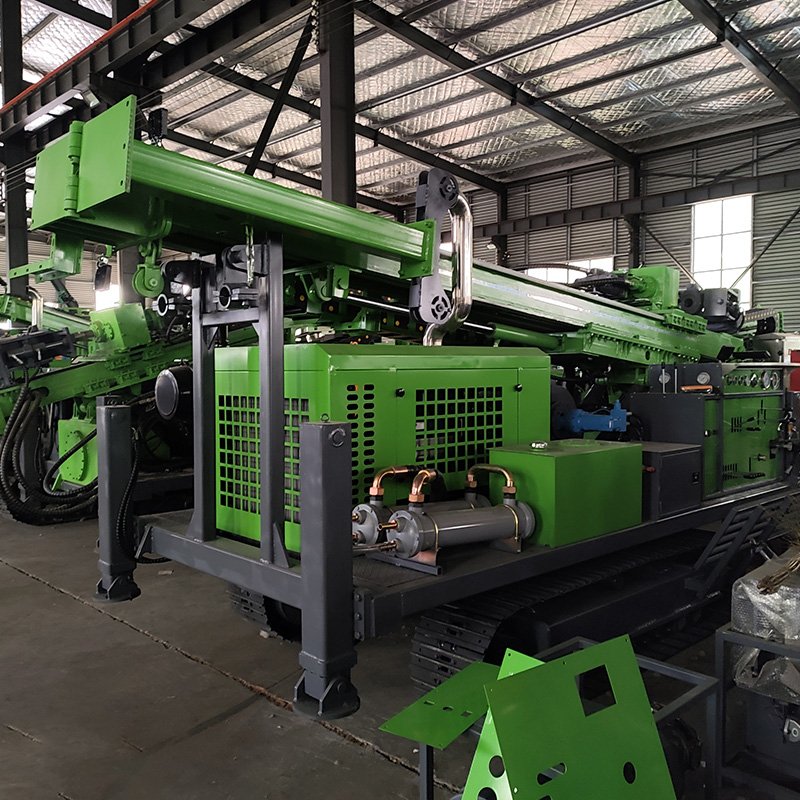
Environmental monitoring core drilling rig are used to drill environmental monitoring wells and assess soil and groundwater pollution.
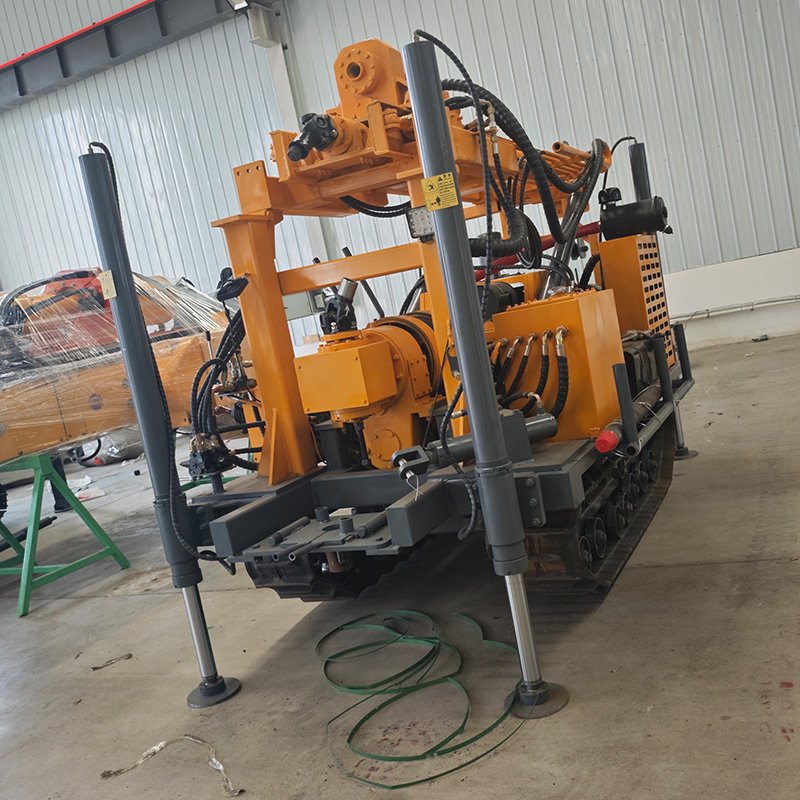
Scientific drilling core drilling rig are used for deep Earth scientific research.
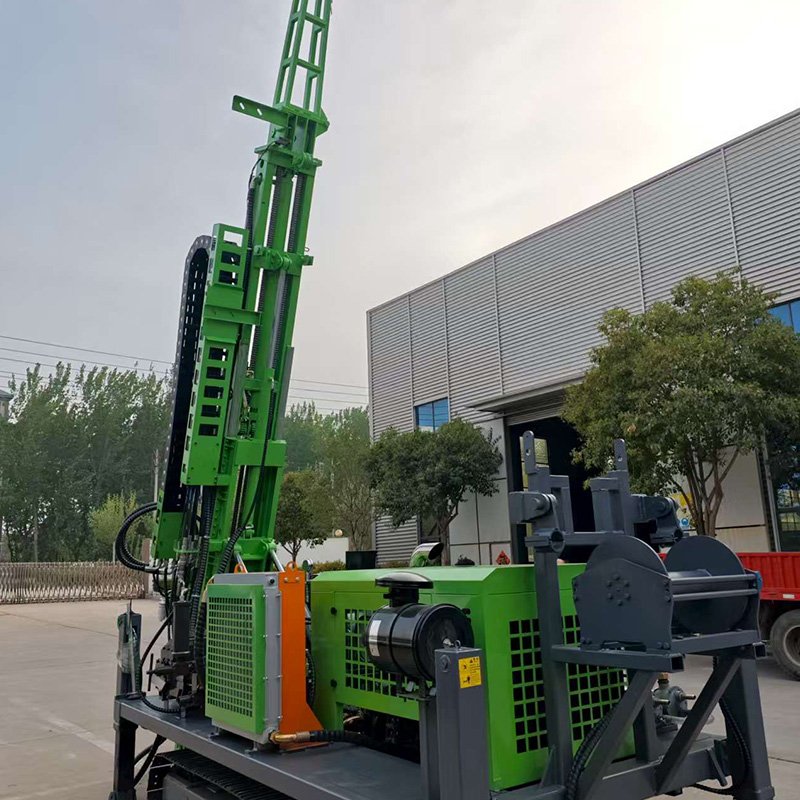
Exploration core drilling rig are used to obtain core samples in geological exploration, suitable for hard rock layers, and used in conjunction with core tubes.
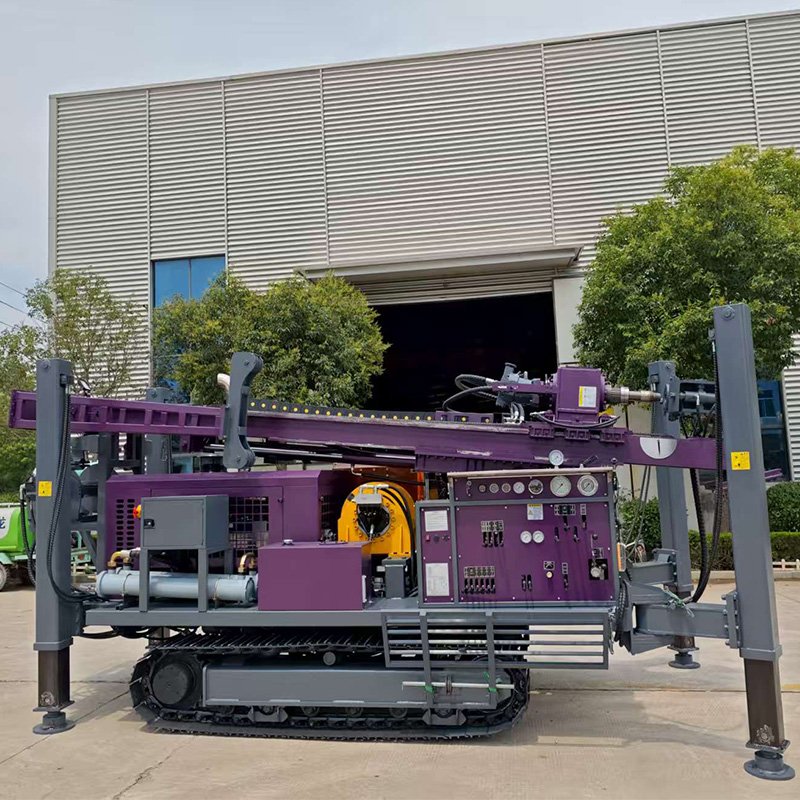
Survey core drilling rig are used for mineral resource surveys and inspections, and for drilling core samples.
Framework
The core drilling rig primarily consists of a power system, drill pipe, drill bit, core tube, and feed system, among other components.

Provides the power and torque required for drilling.

Connects the drill rig to the drill bit and transmits rotational forces.

The outer tube connects the drill bit and transmits torque; the inner tube stores the core.

Cuts or grinds the rock, mainly to form a circular hole and to retain the core.

Holds the core at the root of the core during lifting and prevents the core from falling out.

Circulates the drilling fluid, cools the drill bit and equalizes the formation pressure.

Controls the pressure of the drill bit on the formation and the drilling speed.

Monitors and regulates parameters such as drilling pressure, rotational speed, flushing fluid flow rate, etc.
Core Drilling Rig Mud Pump
The cylinder liners of the mud pump for the core drilling rig are made of ceramic composite cylinder liners, which improve wear resistance by 8 times. The pistons are made of tungsten carbide embedded in polyurethane, solving the problem of pure rubber pistons being prone to bursting. The valve assembly is made of duplex stainless steel, with corrosion resistance reaching 10,000 mg/L. The pump housing is made of high-chromium cast iron combined with a rubber lining, resolving the issue of ordinary cast iron pump housings developing holes within six months.

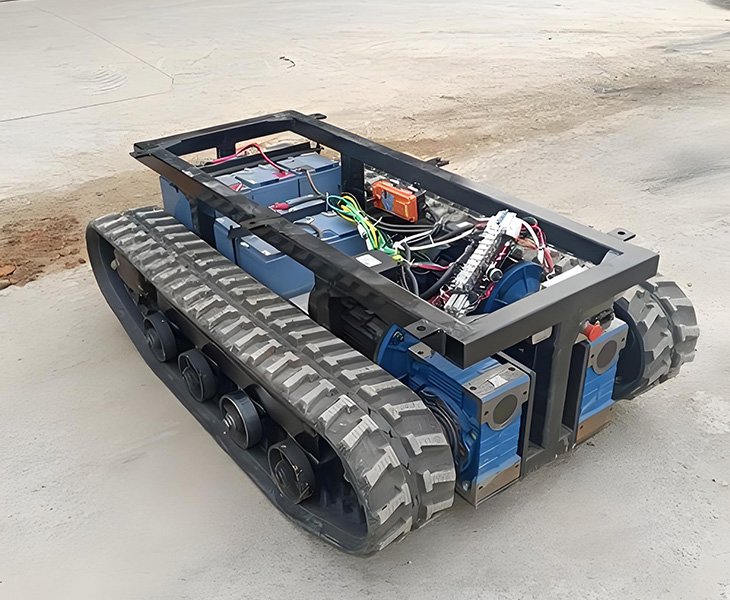
Core Drilling Rig Track Platform
The track material of the core drilling rig includes high-strength alloy steel, rubber-steel composite, and anti-corrosion coated tracks, which solve the problems of sharp rocks cutting the track plates, ground damage, and seawater corrosion shortening the service life of the tracks. You can choose the appropriate tracks according to different application scenarios.
Ordering Process

When selecting a core drilling rig, it is necessary to choose based on specific working conditions, such as geological conditions, drilling diameter and depth requirements, terrain conditions, etc.

Once the specific operating conditions of the core drilling rig have been determined, the appropriate core drilling rig model can be selected, such as drill bit size, drill rod thickness, and matching power.

When placing an order for a core drilling rig, it is necessary to double-check the drilling parameters, technical agreement, and configuration requirements.
Company Advantage
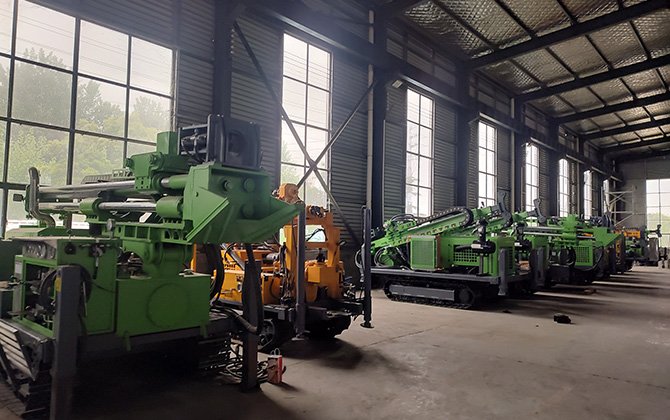
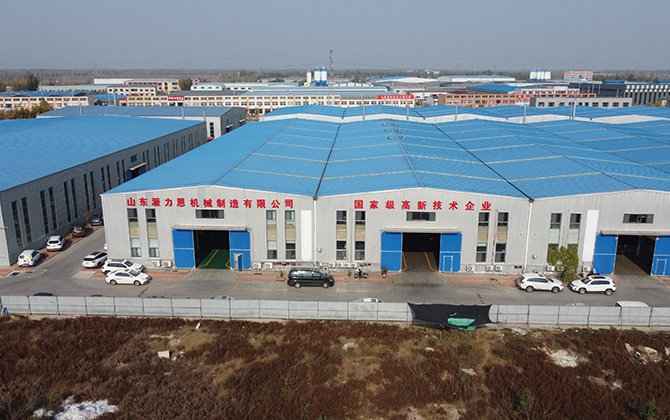
As a manufacturer of core drilling rigs, we have over a decade of production experience and a research and development team of more than ten people. The core components of our drilling rigs are sourced from well-known domestic and international brands, and our after-sales technical team provides online support around the clock.
More About Core Drilling Rig
- Technical Specifications
| Rig type | PLEYZ-1000 | PLEYZ-1200 |
| Weight | 9000kg | 10000kg |
| Dimension(transport) | 5000*2100*2600mm | 5600*2100*2800mm |
| Dimension(working) | 4600*2650*8000mm | 4600*2650*8000mm |
| Drilling angle | 45-90° | 45-90° |
| Drilling depth BTW | 1200m | 1400m |
| Drilling depth NTW | 1000m | 1200m |
| Drilling depth HTW | 800m | 1000m |
| Drill head lift force | 360kN | 400kN |
| Drill head feed force | 180kN | 200kN |
| Rotary speed RPM | 0-1100rpm | 0-1100rpm |
| Max.Torque | 2600N.m | 3000N.m |
| Drill head feed stroke | 3500mm | 3500mm |
| Drill mast slide stroke | 1200mm | 1200mm |
Company Philosophy
Pailien Company, as a professional manufacturer of core drilling rigs, has consistently adhered to the spirit of craftsmanship and technological innovation over the years. The company emphasizes the need for components to be designed to exceed industry standards and has established a comprehensive lifetime service system for its equipment. The company allocates over 8% of its annual budget to research and development, offering customized solutions to clients, including free rock sample analysis services for mining sites. Its intelligent drilling systems are continuously refined and improved to adapt to various complex operating conditions and environments. The company addresses challenges in hard rock drilling through modular quick-release design solutions. Additionally, it has obtained safety certification for mining equipment, ensuring continuous operation without failures.
During operation, core drilling rig may experience a decrease in penetration rate and drilling deviation. This is mainly due to the drill bit material being incompatible with the rock layer hardness, improper drilling pressure or rotation speed settings, and the presence of abrasive minerals such as quartz in the rock layer.
Before starting up the core drilling rig, it is necessary to perform equipment inspections, such as checking whether the hydraulic oil and lubricating oil in the drilling rig are sufficient; confirming that the drill pipe and drill bit have no cracks or wear; and inspecting whether the mud pump and piping are properly sealed.
The shutdown procedure for a core drilling rig includes: stopping drilling, slowly lifting the drill string; shutting down the mud pump, cleaning the drill pipe and core barrel; checking the wear condition of the drill bit, and recording the data.
The main advantages of core drilling rig: high-precision core sampling, wide range of core diameters, outstanding depth capabilities, comprehensive data acquisition, and simultaneous acquisition of borehole parameters and logging data in addition to cores.
Core drilling rig mud pumps can be classified according to their structural type into: piston mud pumps, diaphragm mud pumps, centrifugal mud pumps, and plunger mud pumps. According to their drive type, they can be classified into: mechanically driven, hydraulically driven, electrically driven, and diesel-driven.