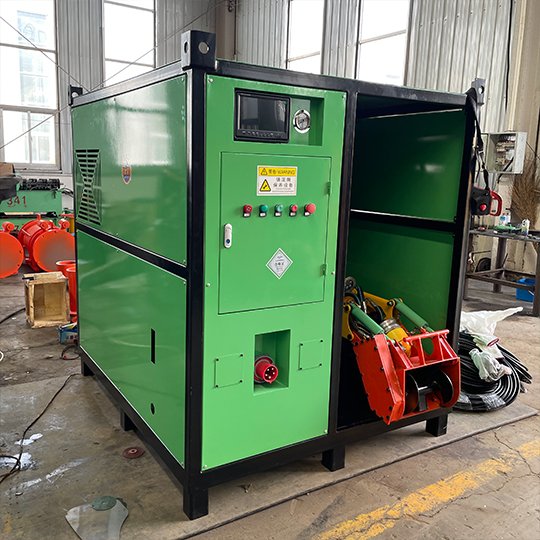
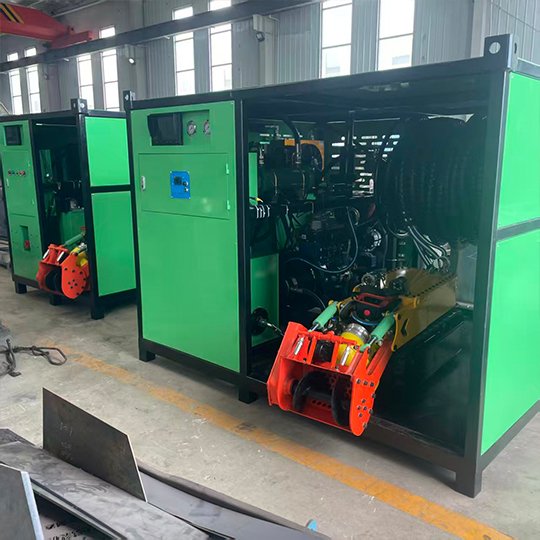
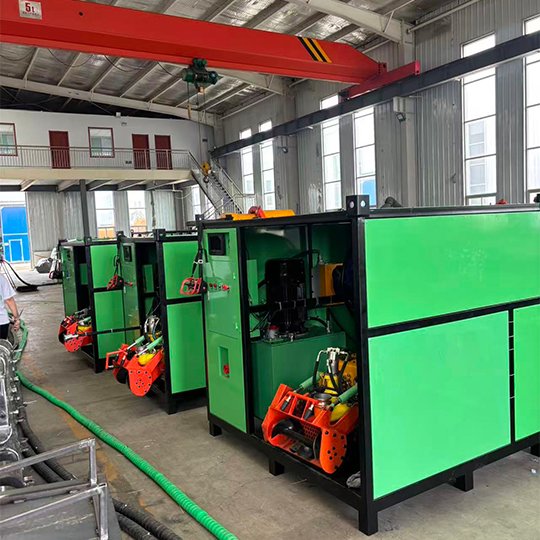
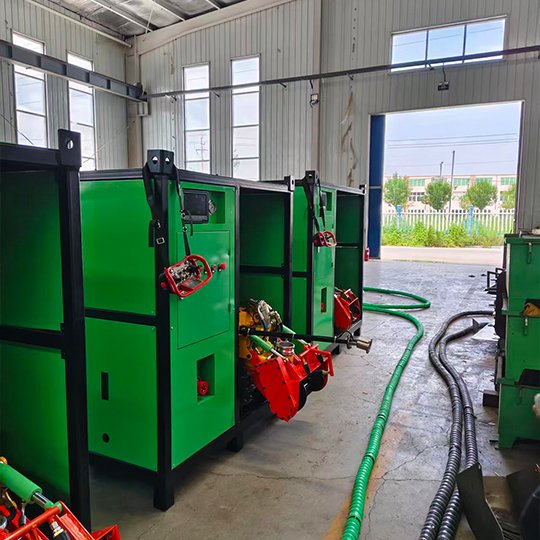
Ocean Cleaning Robot
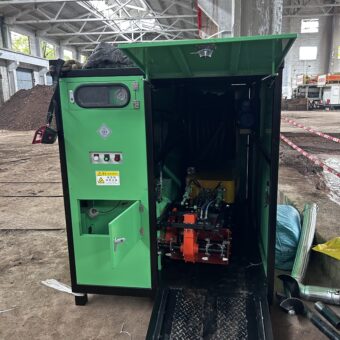
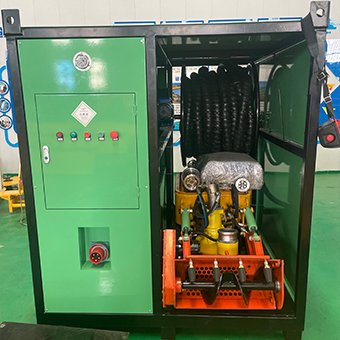
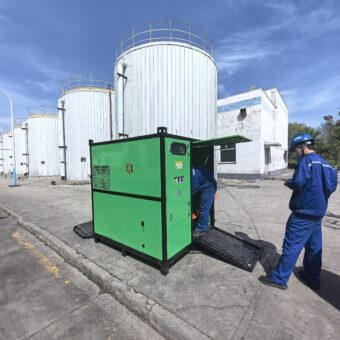
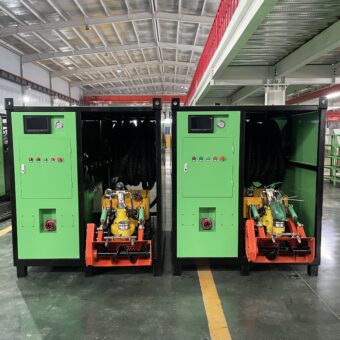
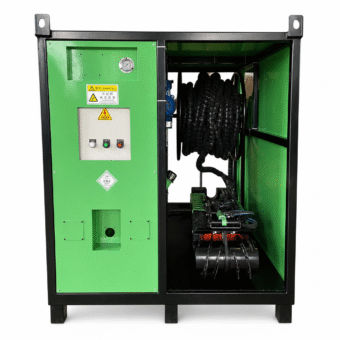
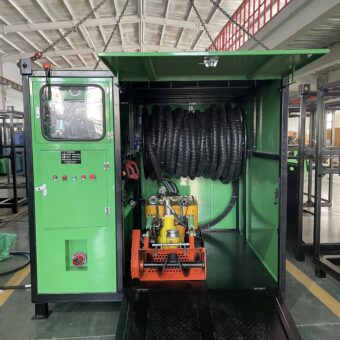
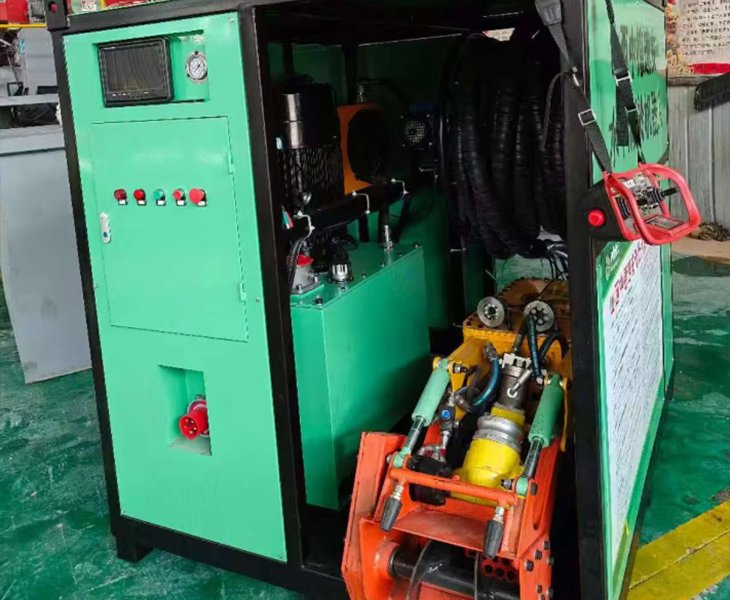
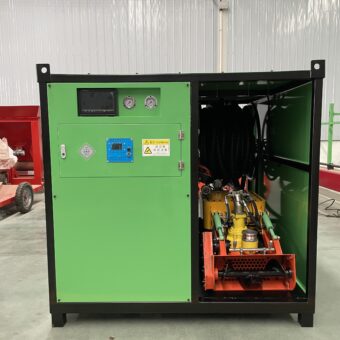
The ocean cleaning robot system is available in both electric and diesel versions. Its stainless steel construction enhances its robustness and durability, making it highly corrosion-resistant. It boasts high cleaning efficiency, continuous operation, and low operating costs.
- The ocean cleaning robot system is specifically designed for ports, nearshore waters, marine environmental protection, and open ocean environments.
- Equipped with underwater cameras, the ocean cleaning robot
- The system can clearly see obstacles, enabling it to efficiently collect floating plastic debris and clean up surface litter, leaving the facilities clean without damaging them.
- The ocean cleaning robot system can be customized to meet client requirements, is highly mobile, and adaptable to various complex underwater environments.
Your Efficient Partner in Ocean Conservation
As a professional manufacturer, we have over 10 years of experience in remanufacturing ocean cleaning robots, providing superior ocean cleaning robots and services to our global partners.
The ocean cleaning robot allows for real-time monitoring of cleaning progress and water conditions. To help our global partners complete their water management tasks, we offer customized equipment and provide comprehensive technical services.
Ocean Cleaning Robot by Features
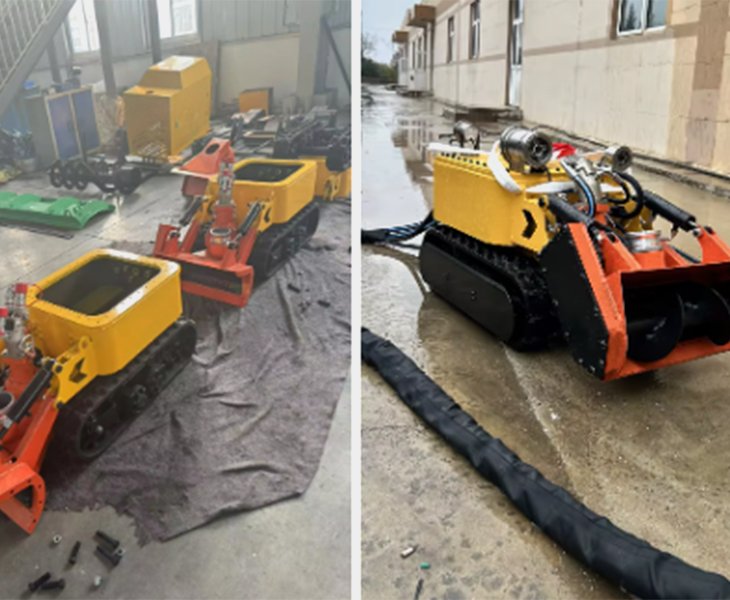
Suitable for complex coastal terrains such as rocky coasts, requiring high adaptability and maneuverability. The tracked chassis maintains stability when moving on uneven terrain.

Suitable for open waters, such as coastal areas. When cleaning large floating debris, it can be integrated onto a work vessel to perform continuous, large-scale cleaning tasks.

Designed for sudden pollution incidents, such as oil spills, this robot is designed for rapid transport and deployment.

When there are multiple types of debris in the ocean, such as plastics, algae, and organic waste, this robot can collect, filter, and separate them all in one unit.

In sensitive environmental situations, the advantages of electric propulsion become apparent, as it operates quietly and with zero emissions.

This robot is designed specifically for high-pressure, low-temperature environments, equipped with a ruggedized structure and a dedicated collection system.

This compact robot is ideal for small-scale, localized cleaning operations.

This robot can perform complex operations at varying water depths, capable of collecting floating debris and underwater garbage.
Framework of Ocean Cleaning Robot
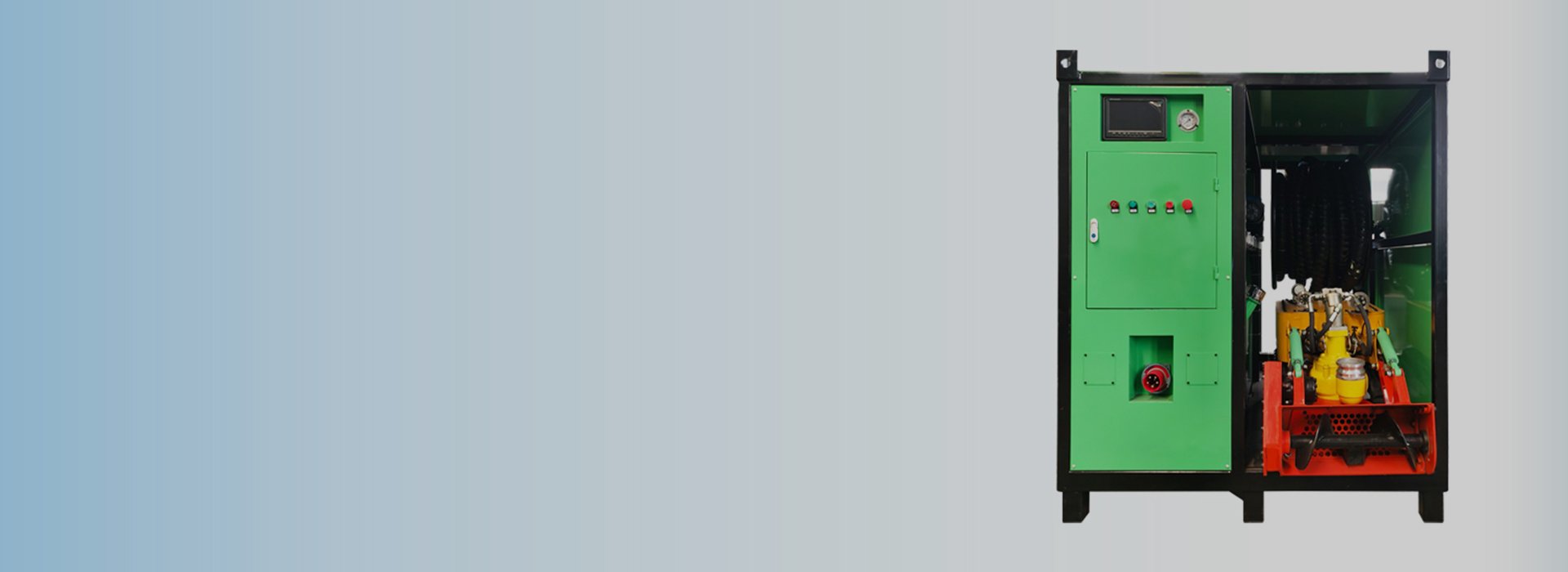
An ocean cleaning robot mainly consists of a sensing and navigation system, a drive and mobility system, a waste collection system, an energy and power system, a communication and control system, and a structure and protection system.

This system is crucial for perceiving the surrounding environment. It can assign machine positioning to staff, define the necessary steps, and then guide them along the appropriate route. The positioning system uses computers and algorithms to perform this task.

This system, the robotic legs, provides power to the robot, enabling it to move forward stably across various complex terrains. The system’s high-efficiency motors and power distribution system are tightly integrated, creating a seamless and efficient whole.

This system identifies and collects trash in the ocean, much like a conveyor belt, using a movable robotic arm to grab the debris. The collection port has been specially designed to minimize harm to marine life.

The power system is available in both electric motor and diesel versions. To extend operating time, we have also designed solar panels on top of the robot to absorb energy and convert solar energy into electricity to power the machine, achieving “charging while working.”

Information processing and decision-making are crucial, serving as an essential link for maintaining contact and communication with human managers. It is the core of the robot, enabling it to operate autonomously. Staff can use this system to update and adjust the machine.

This system houses all the equipment and components, ensuring the robot can operate successfully in harsh environments. The robot’s shell is made of robust, durable, seawater-resistant stainless steel.
Ocean Cleaning Robot Configuration
ocean cleaning robot employs a modular operation, meaning it’s composed of different functional blocks. When a part malfunctions, only that part needs to be replaced, eliminating the need to rework the entire machine. This simplifies maintenance and upgrades. As is well known, seawater is highly corrosive to metals. Therefore, we’ve designed an anti-corrosion coating on the equipment’s casing, ensuring the robot’s lifespan even in complex sea conditions.


Ocean Cleaning Robot Environmental Awareness
Ocean cleaning robot relies on solar and light energy to power its machines, making it 10 times more efficient than manual cleaning.
Furthermore, the robot is equipped with cameras that can clearly distinguish between plastic bottles and marine life. It’s like giving the machine eyes.
Guide to Procuring
When choosing an AAAA model, avoid blind selection. Consider specific circumstances such as the type and density of pollutants, the area to be treated, and the surrounding environment.
Once you have determined your core needs, contact our technical staff for the most precise configuration. For example, do you need a diesel or electric model? How many meters of hose do you require? Do you need a high-pressure water gun?
First, determine the performance parameters: cleaning efficiency, stainless steel material, and explosion-proof requirements.
We can sign a technical agreement regarding system compatibility. In terms of service, we will provide remote operation training, a user manual, and a spare parts list.
Company Advantage


As a professional ocean cleaning robot(autoclaved aerated concrete) manufacturer, we have over ten years of experience in production and sales. Our technology and systems are at the forefront of the industry, and we can customize professional cleaning solutions for different situations. Key components utilize corrosion-resistant composite materials and waterproof elements, extending their service life even in harsh environments. Robotic dredging not only saves labor but is also more efficient and cleaner than traditional dredging methods. Our company provides 24-hour technical and after-sales service.
Your Leading Ocean Cleaning Robots Manufacturer in China
Our ocean cleaning robots, equipped with a combination of sensors and human intervention, can intelligently identify various types of marine debris. They can adjust to different modes, performing better in more complex environments, and their efficient identification modes can avoid various marine organisms. We are not only the manufacturer but also your long-term supply partner. We can tailor a complete cleanup solution to your specific needs.
Damage can occur for various reasons, such as collisions with marine obstacles, wear and tear from continuous, high-intensity dredging operations without rest, metal fatigue and deformation caused by high-intensity dredging work, and corrosion from seawater pollutants.
Clogged critical components are a frequent problem for ocean cleaning robot systems. High concentrations of marine organisms can clog these components, leading to malfunctions. We can address this by optimizing the components or training users.
Most ocean cleaning robot power system failures are caused by damaged components, excessive battery depletion, or damaged cable conduits. Ensuring the equipment is sealed and of adequate quality is crucial.
Inaccurate navigation and positioning in dredging robots are primarily caused by poor underwater signal transmission, sensor contamination, or water flow interference. Solutions include deploying hybrid positioning systems, regular sensor maintenance, and path compensation using water flow models.
Low sediment recovery efficiency typically stems from a mismatch between pumping capacity and sediment density, improper cutter head selection, or poor suction head positioning. Optimizing system matching, selecting suitable tools, and improving operational controls are effective improvement measures.