Sludge Removal Robots
for Tanks & Ponds
Explore remotely operated cleaning configurations for wastewater tanks, sedimentation ponds and industrial basins. Match the robot, collection tool and pumping system to your site.
Tank cleaning · Pond desilting · Underwater sediment removal
Find the right approach
to sludge cleaning.
Browse equipment types by working environment, then discuss the configuration your project needs.
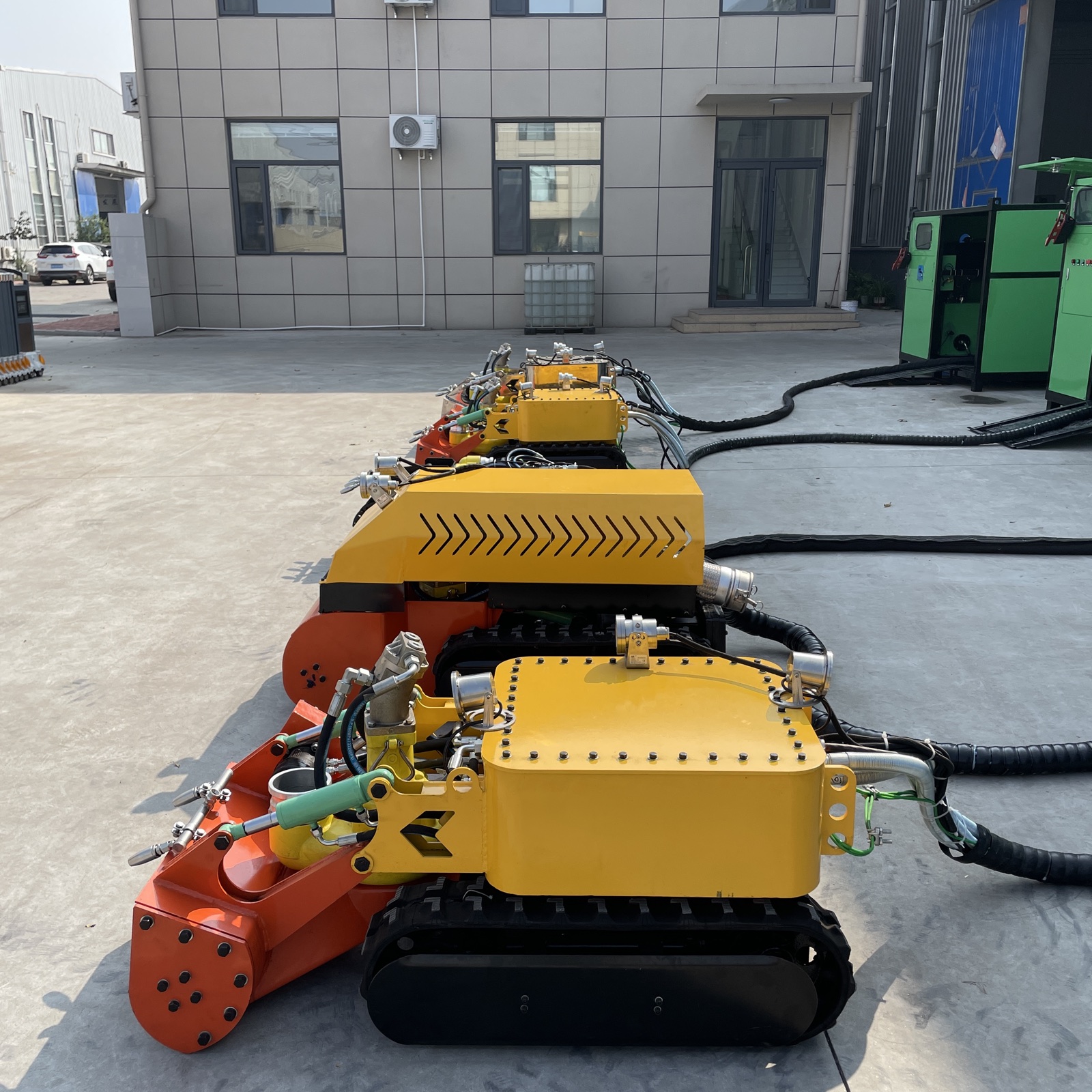
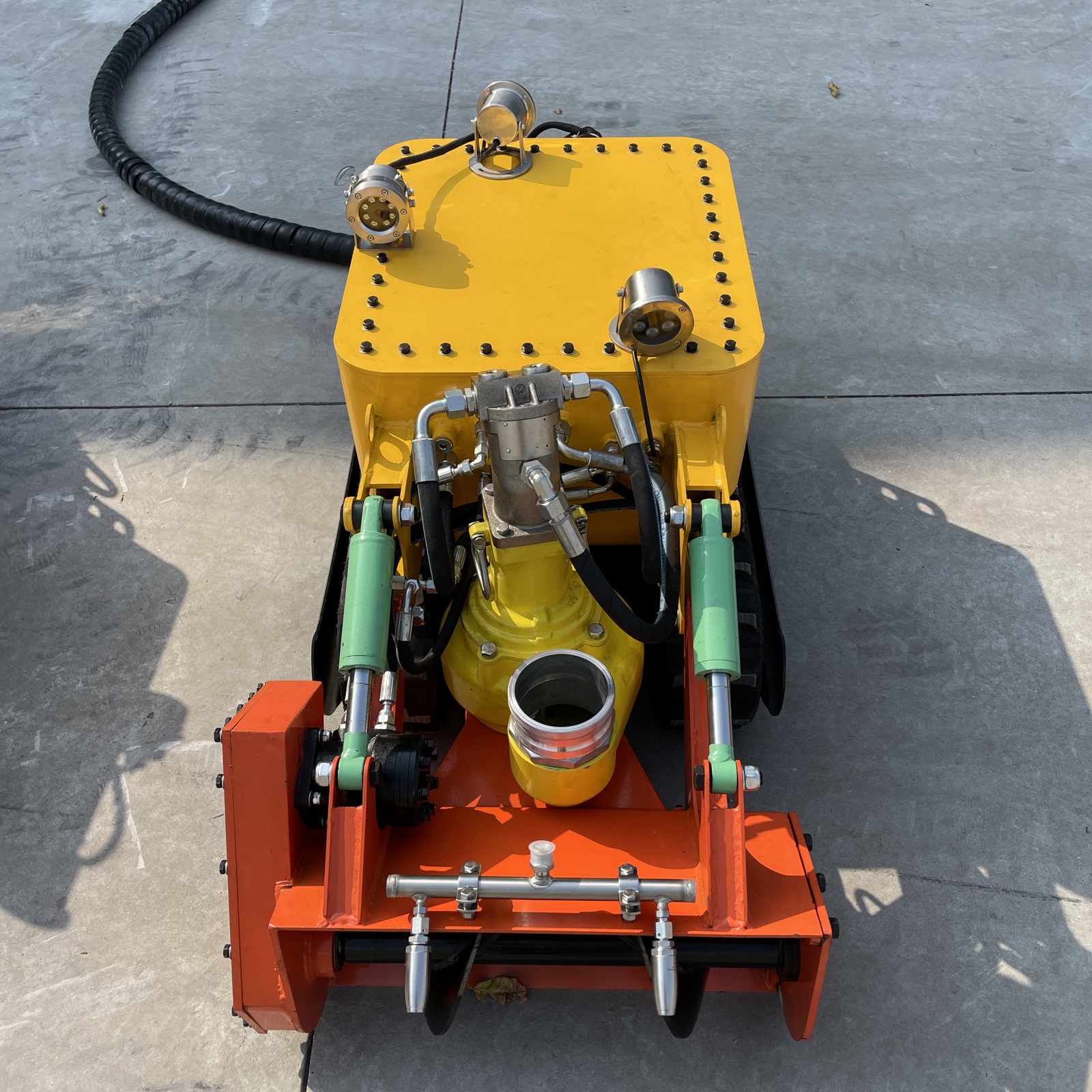
Tracked Sludge Removal Robot
A tracked platform to assess for muddy or uneven pond and basin bottoms.
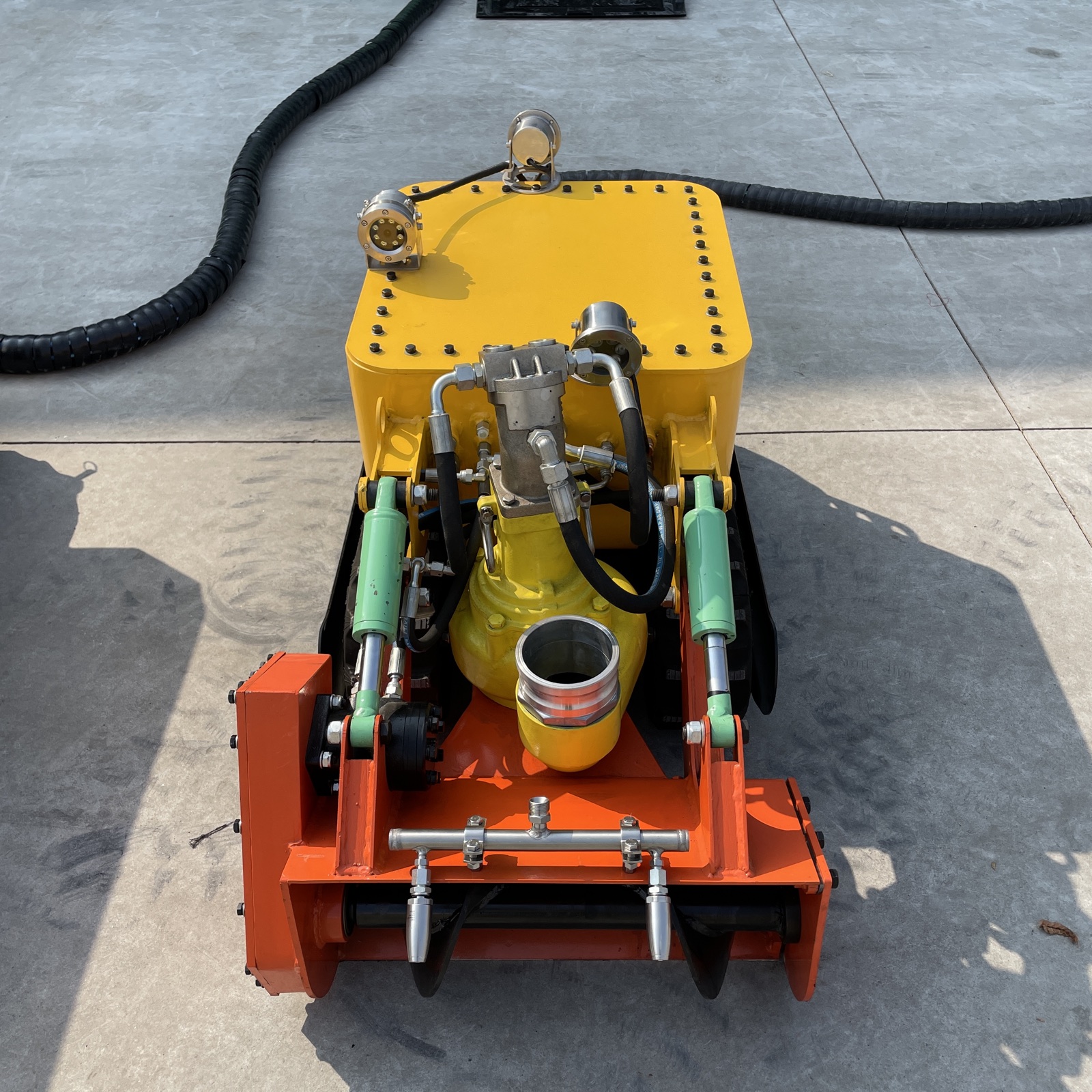
Suction Sludge Removal Robot
Pumpable sludge collection with a hose discharge system matched to the site.
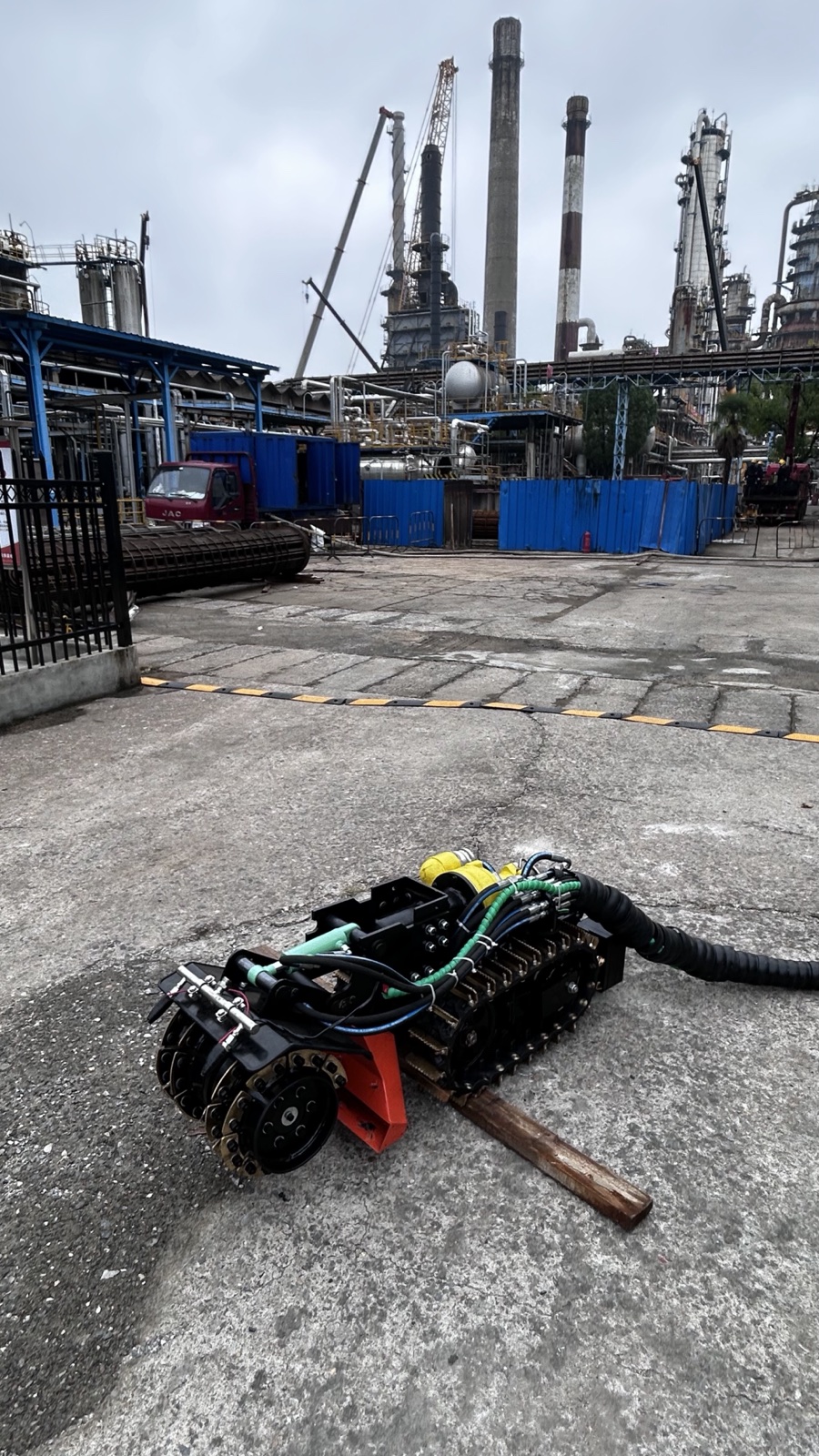
Pipeline Sludge Cleaning Robot
A compact configuration to assess for pipes and culverts with restricted access.
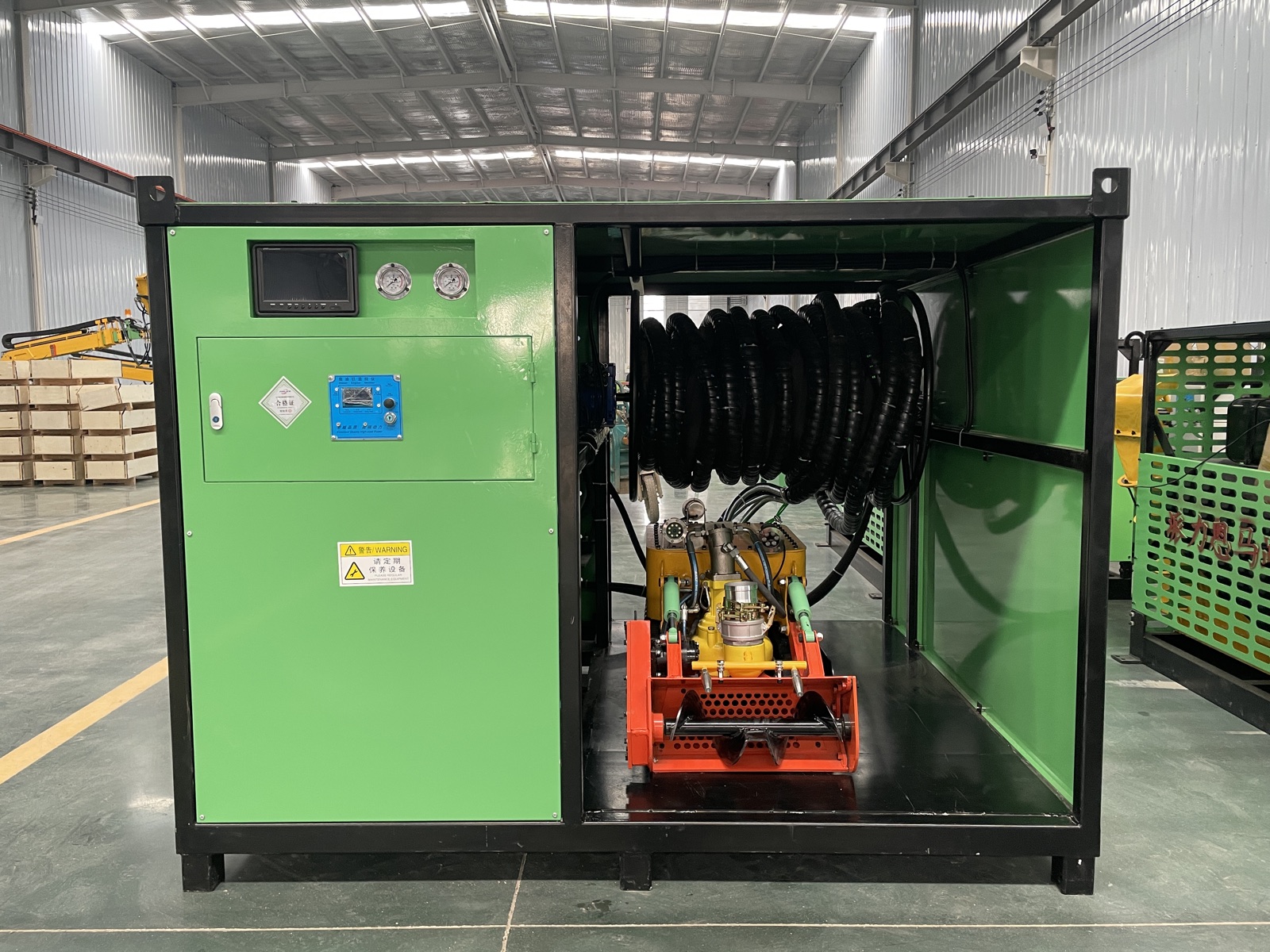
Industrial Sludge Cleaning Robot
A configuration to assess for process tanks, cooling-water basins and industrial deposits.
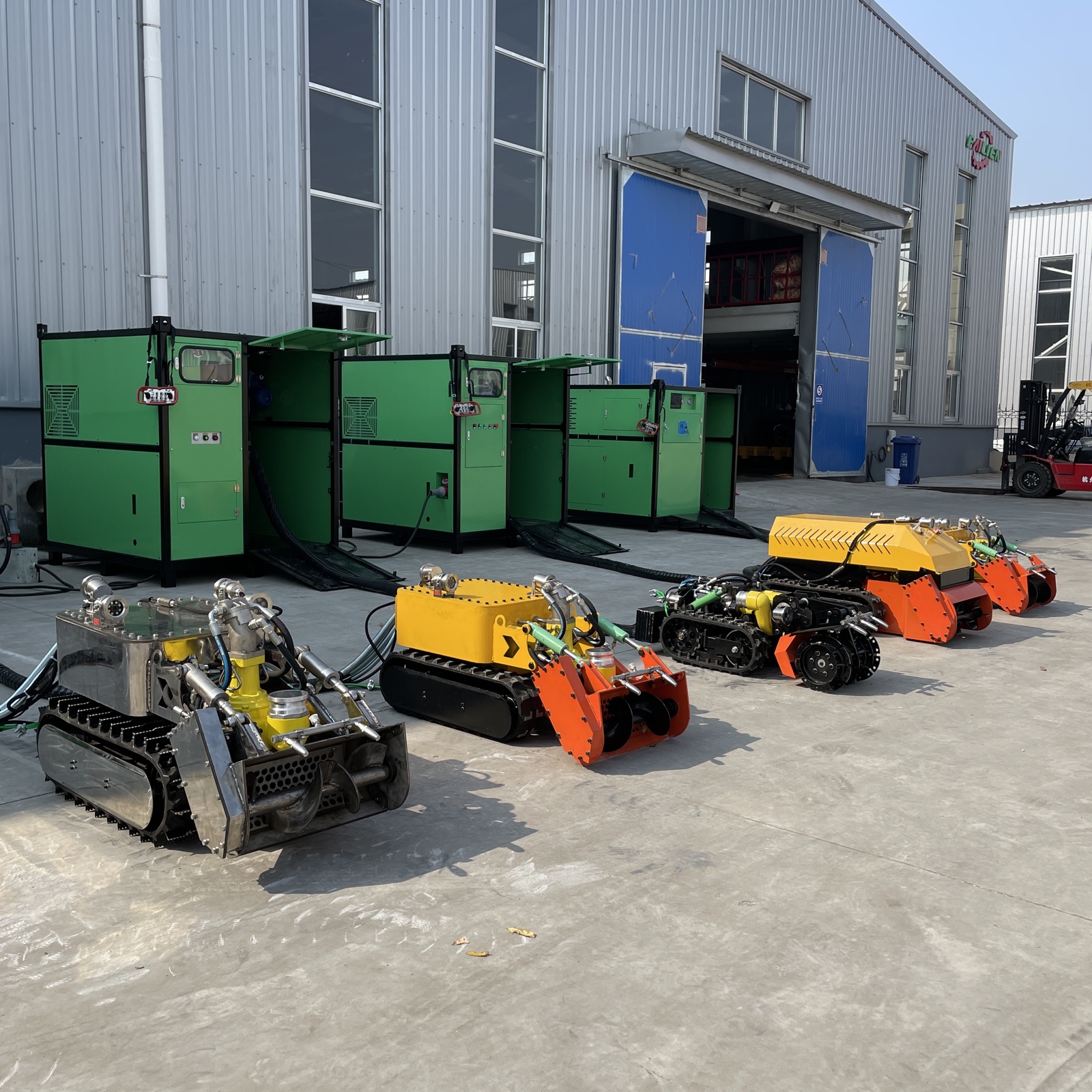
Remote-Controlled Cleaning Robot
Surface operation with visual monitoring to help manage difficult-access cleaning tasks.
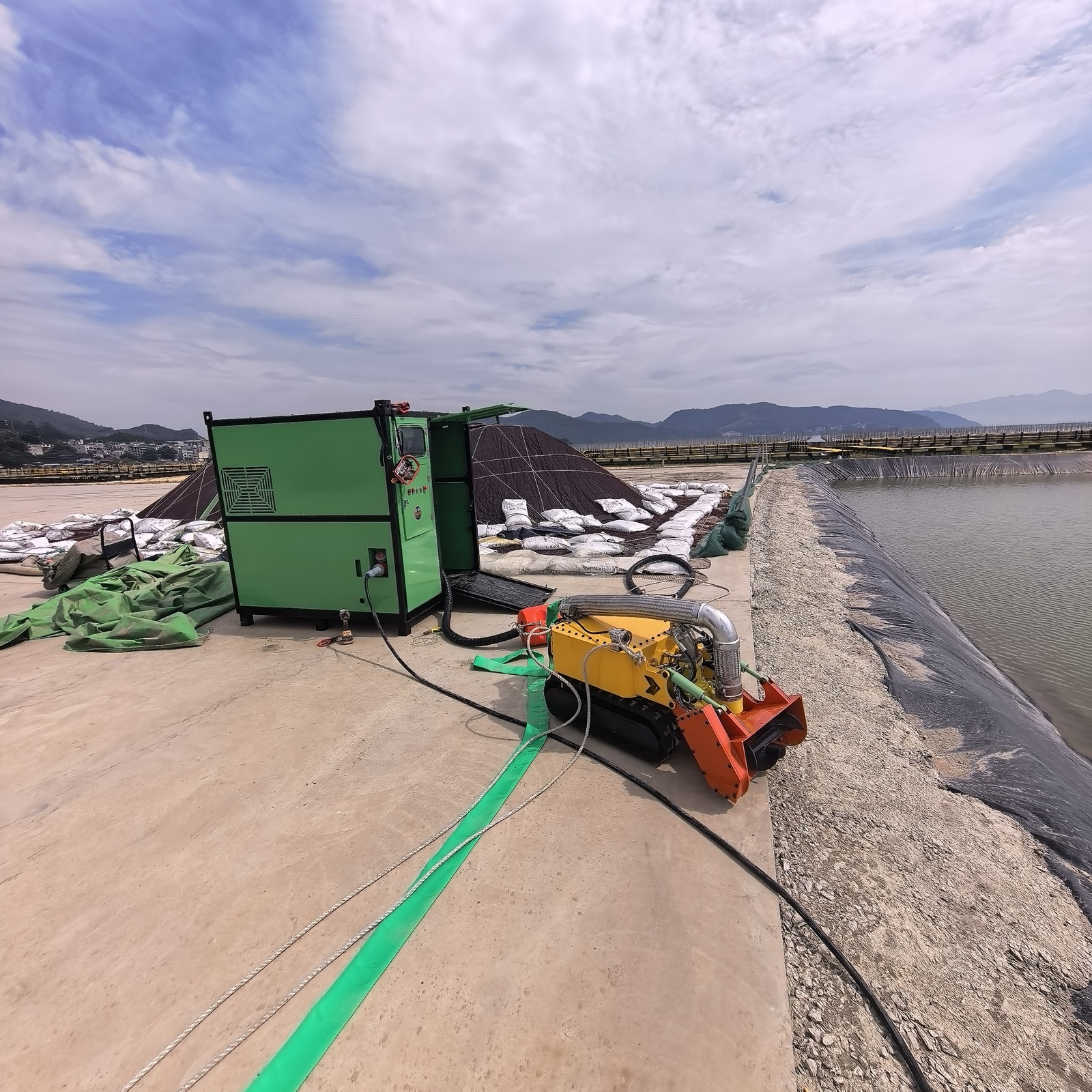
Underwater Sediment Removal Robot
Submerged sediment collection for reservoirs and water-retaining structures.
Showing 6 equipment types. Photos are from the PAILIEN equipment photo library and illustrate equipment and working environments. Final specifications and suitability are confirmed per project.
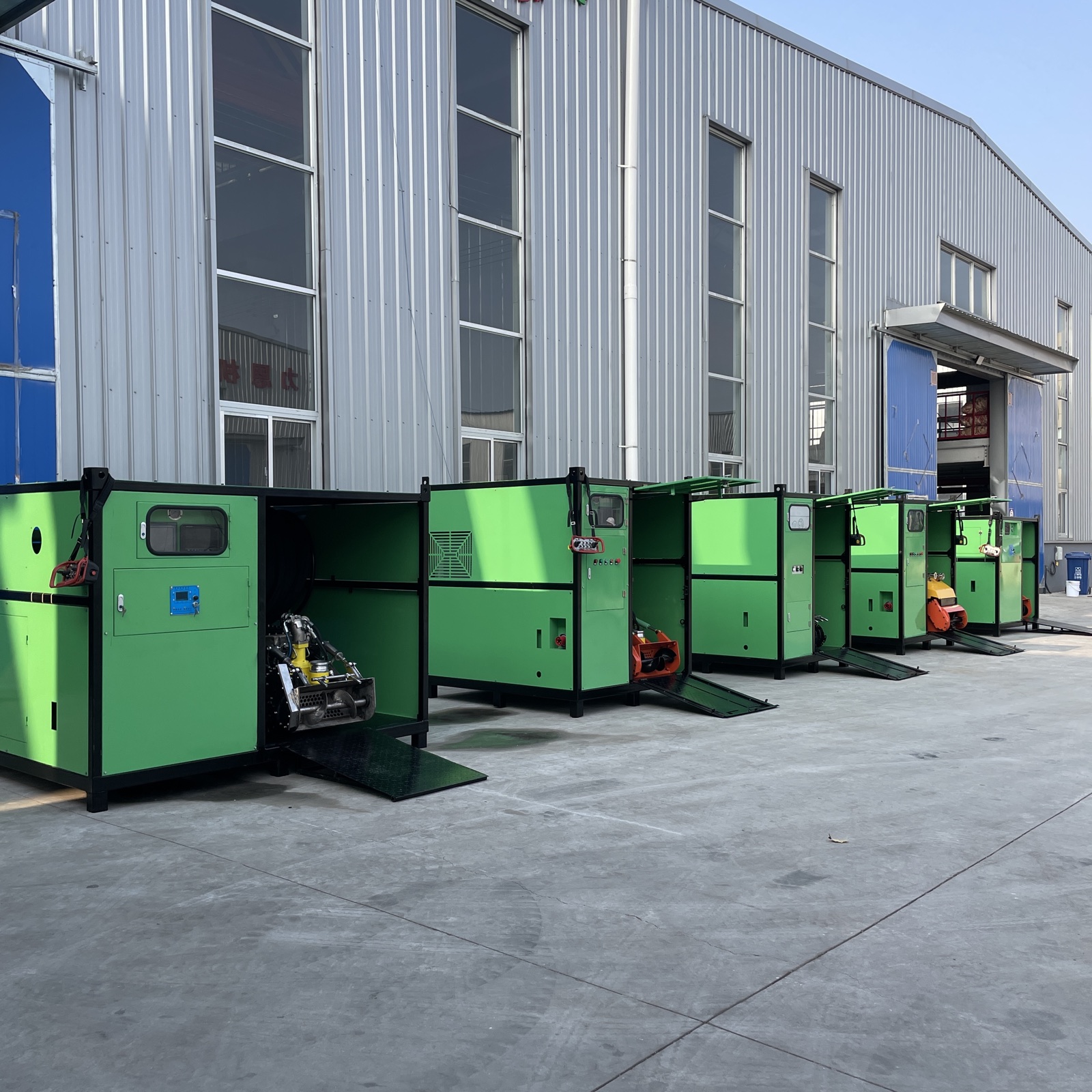
Control the cleaning.
From the surface.
Reduce manual entry into difficult areas
Remote operation helps limit direct exposure to submerged and restricted working environments.
Monitor and control the cleaning process
Discuss cameras, lighting and monitoring for your site. Turbid water may require additional observation methods.
Coordinate the complete cleaning system
Coordinate the collection head, pump, hoses and downstream sludge handling before work begins.
Different sites.
Different cleaning requirements.
Wastewater treatment tanks
Assess settled sludge in treatment and holding basins. Check process constraints, internal equipment and discharge handling.
Sedimentation ponds
Plan access, bottom bearing conditions and sediment removal routes. Confirm liner protection where applicable.
Cooling-water basins
Review deposit properties, water temperature, corrosion exposure and plant operating conditions.
Pipes & culverts
Check access openings, clear dimensions, bends, obstacles and hose retrieval before selecting a compact configuration.
Start with the site.
Then specify the robot.
Pump flow alone does not define the complete cleaning duty. Use this checklist to prepare your enquiry.
| Project condition | What to confirm | Why it matters |
|---|---|---|
| Access & dimensions | Opening size, basin geometry, pipe diameter, bends and lifting access | Determines deployment, travel clearance and recovery arrangements. |
| Sludge composition | Thickness, solids content, particle sizes, fibres and consolidated layers | Guides collection head, pump selection and debris handling. |
| Water & floor conditions | Water depth, visibility, temperature, floor or liner condition | Defines underwater equipment requirements and travel suitability. |
| Discharge route | Hose length, elevation changes and downstream treatment | Sets the actual pumping duty and transport arrangement. |
| Site utilities | Power supply, space for surface equipment and lifting resources | Helps define the power unit and full equipment package. |
| Special environments | Corrosion, hazardous-area classification and required certification | Requires specific materials and documented configuration approval. |
For oil tanks, chemical tanks and potentially explosive atmospheres, request project-specific suitability and certification. Standard underwater protection does not establish hazardous-area suitability.
More than a robot.
A coordinated working system.
Power unit
Supplies power for travel, sludge collection and auxiliary equipment. Confirm the available site utilities.
Surface controls
Let the operator manage movement and cleaning from an appropriate control position.
Tracked platform
Provides the working base. Match traction, ground pressure and dimensions to the bottom conditions.
Collection tool
Suction, auger or flushing arrangements are evaluated against sludge and debris characteristics.
Pump & discharge
Move collected material through a matched hose route to the agreed discharge or treatment point.
Visual monitoring
Camera and lighting options support observation where visibility permits; discuss alternatives for turbid water.
Get a quote for the work
you actually need to do.
A useful quotation specifies the complete equipment package and the agreed operating conditions. Share your site details so PAILIEN can review a suitable configuration.
Share your site
Send dimensions, sludge details, photos or drawings, and your planned discharge route.
Review the configuration
Confirm the equipment scope, operating limits, documentation and commercial quotation.
Confirm delivery & support
Agree on delivery, commissioning arrangements, training and spare-parts requirements.
Sludge removal
robot FAQs.
Practical answers for project owners, maintenance teams and equipment buyers.
What is a sludge removal robot?
A sludge removal robot is a remotely operated machine that collects settled sludge or sediment and transfers it to a discharge or treatment point. A typical system combines a tracked platform, a collection tool, pumping equipment and surface controls.
Can a sludge removal robot clean a tank without draining it?
Underwater cleaning may be feasible where water depth, visibility, access, sludge properties and the plant process allow it. Confirm the specific robot configuration and operating plan before assuming a tank can remain in service.
How much does a sludge removal robot cost?
Price depends on the chassis, collection head, pump duty, hose length, controls, monitoring equipment and site requirements. Request a project-specific quote that identifies included equipment, commissioning, spare parts and delivery terms.
How do I select a sludge removal robot for a wastewater treatment plant?
Begin with the basin dimensions, sludge depth and composition, underwater obstacles, lifting access and discharge route. A tracked suction configuration may suit pumpable settled sludge; fibrous, gritty or consolidated material needs separate assessment.
Can the robot handle sand, stones or fibrous sludge?
Suitability depends on particle size, solids content, abrasion, debris and the selected collection and pumping system. Send a material description or sample information so the manufacturer can confirm limits and any pretreatment required.
What is the difference between a sludge removal robot and a dredging robot?
The terms can overlap. Sludge removal usually describes the material and task, often in tanks or basins, while dredging is a wider category covering sediment removal in water bodies and waterways. Select by the actual duty rather than the product name.
Is a standard robot suitable for oil tanks or explosive atmospheres?
Do not assume so. Hazardous-area work requires a configuration and certification appropriate to the site classification, materials and process. Ask for the exact applicable documentation before specifying equipment for these environments.
What information do you need to prepare a quotation?
Provide the application, basin or pipe dimensions, access opening, water depth, sludge thickness and composition, discharge distance and elevation, available power, country of use and any certification requirements. Photos and drawings help define the configuration.
Discuss your sludge
removal project.
Share your application and sludge conditions. Request a suitable configuration, confirmed technical specifications and a project quotation from PAILIEN.
Request a project quote
Please include your application, water depth, sludge conditions and discharge distance.