
Dredging Robots / Pond Dredging Equipment
Pond Dredging Equipment
Compare remotely operated pond dredging machines for removing settled silt and sludge from fish ponds, irrigation ponds and stormwater basins.
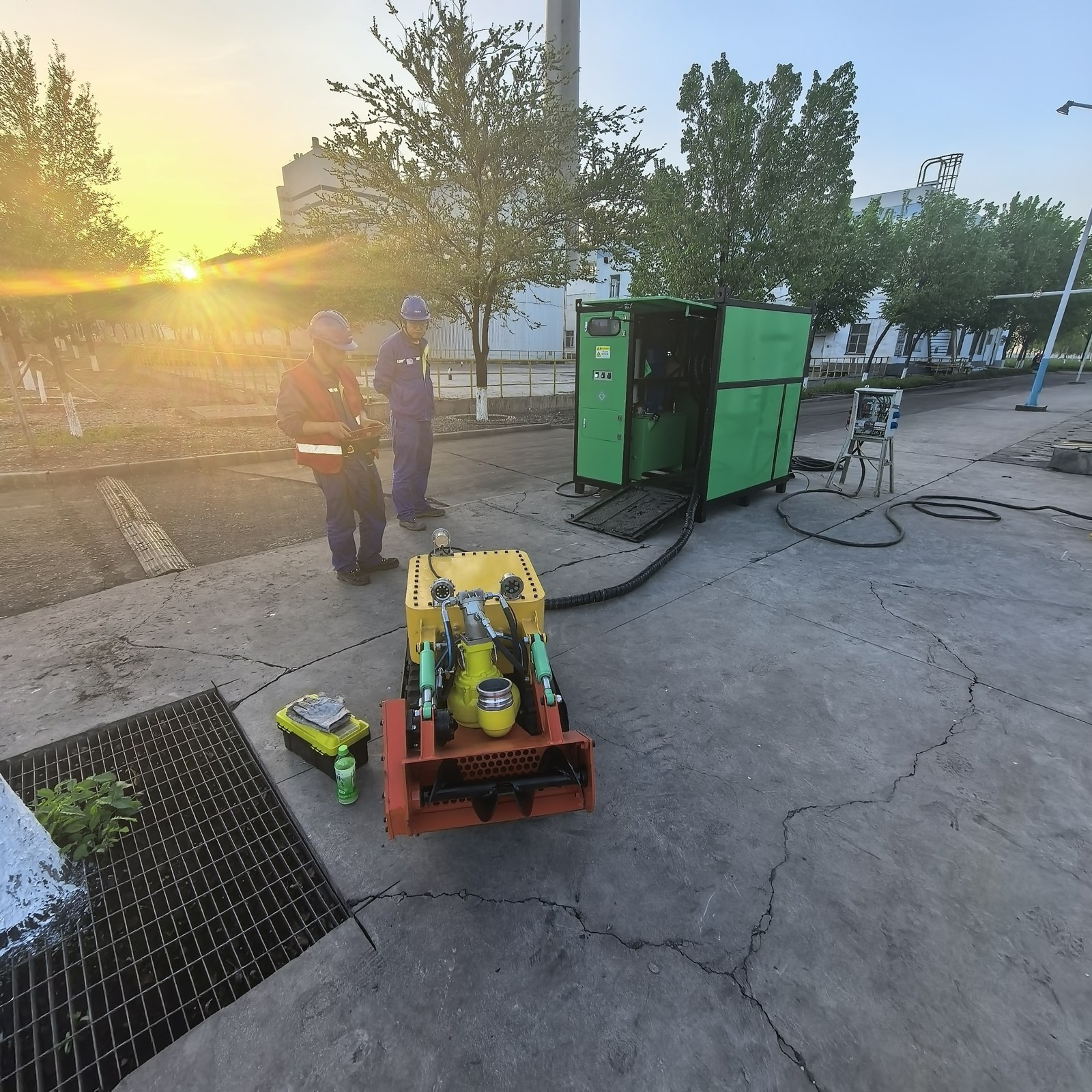
Pond dredging machine configurations
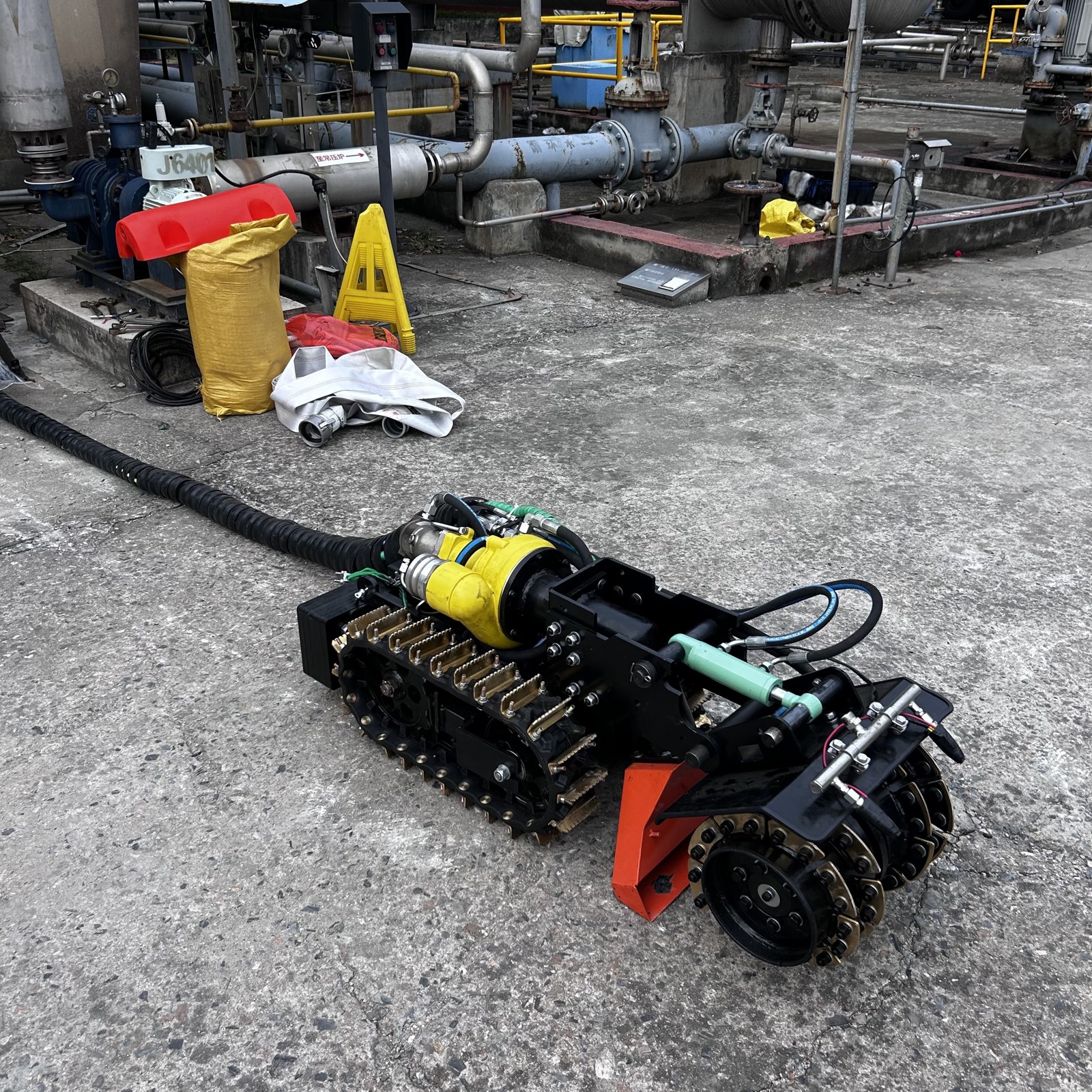
Suction Pond Dredge
Assess soft organic muck and fine silt that can be pumped as slurry. Match the intake to debris size and the pump to the discharge route.
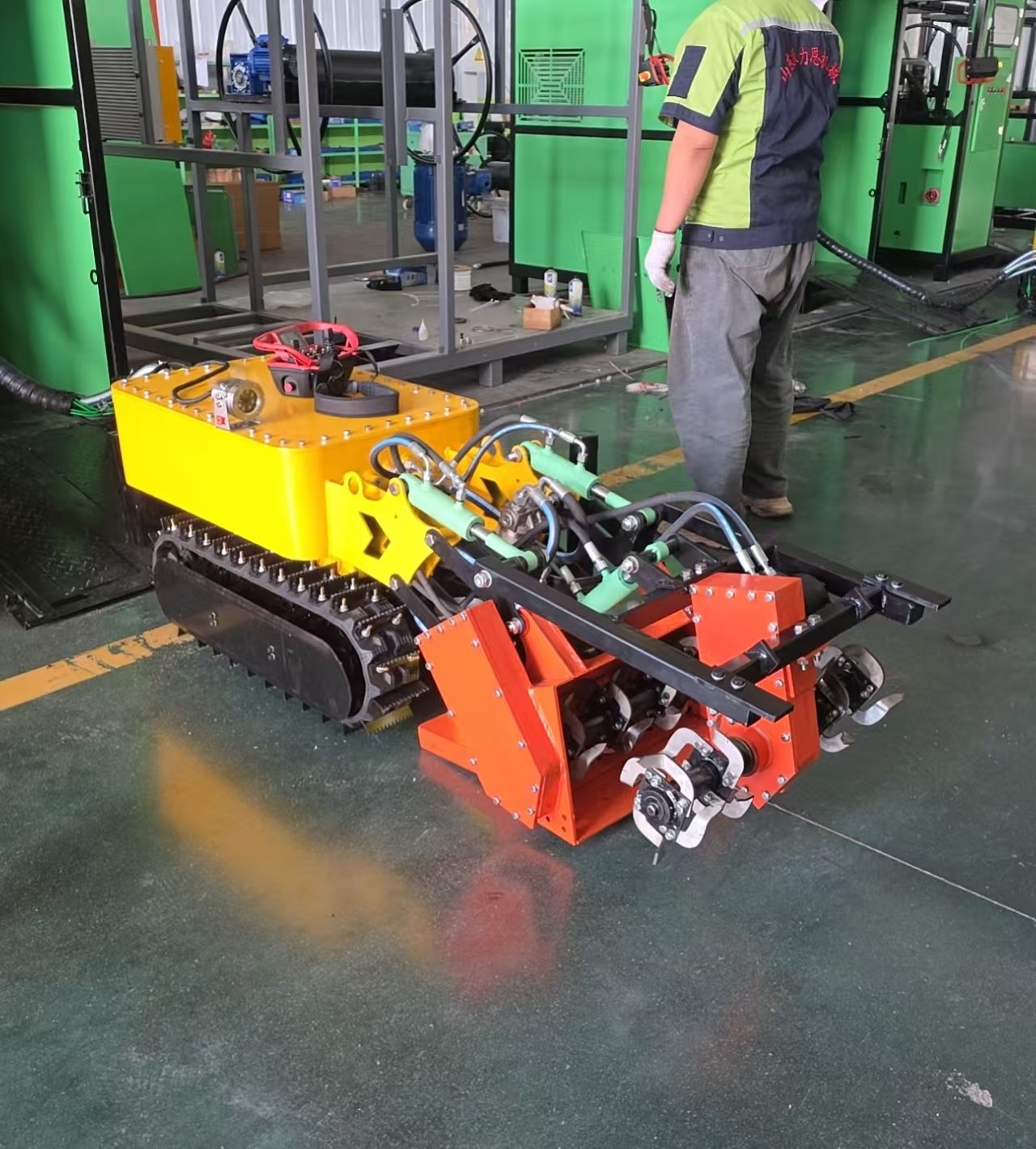
Tracked Pond Dredging Robot
Assess underwater floor travel when the pond has accessible slopes and suitable bearing conditions. Share floor transitions and liner details before choosing a chassis.
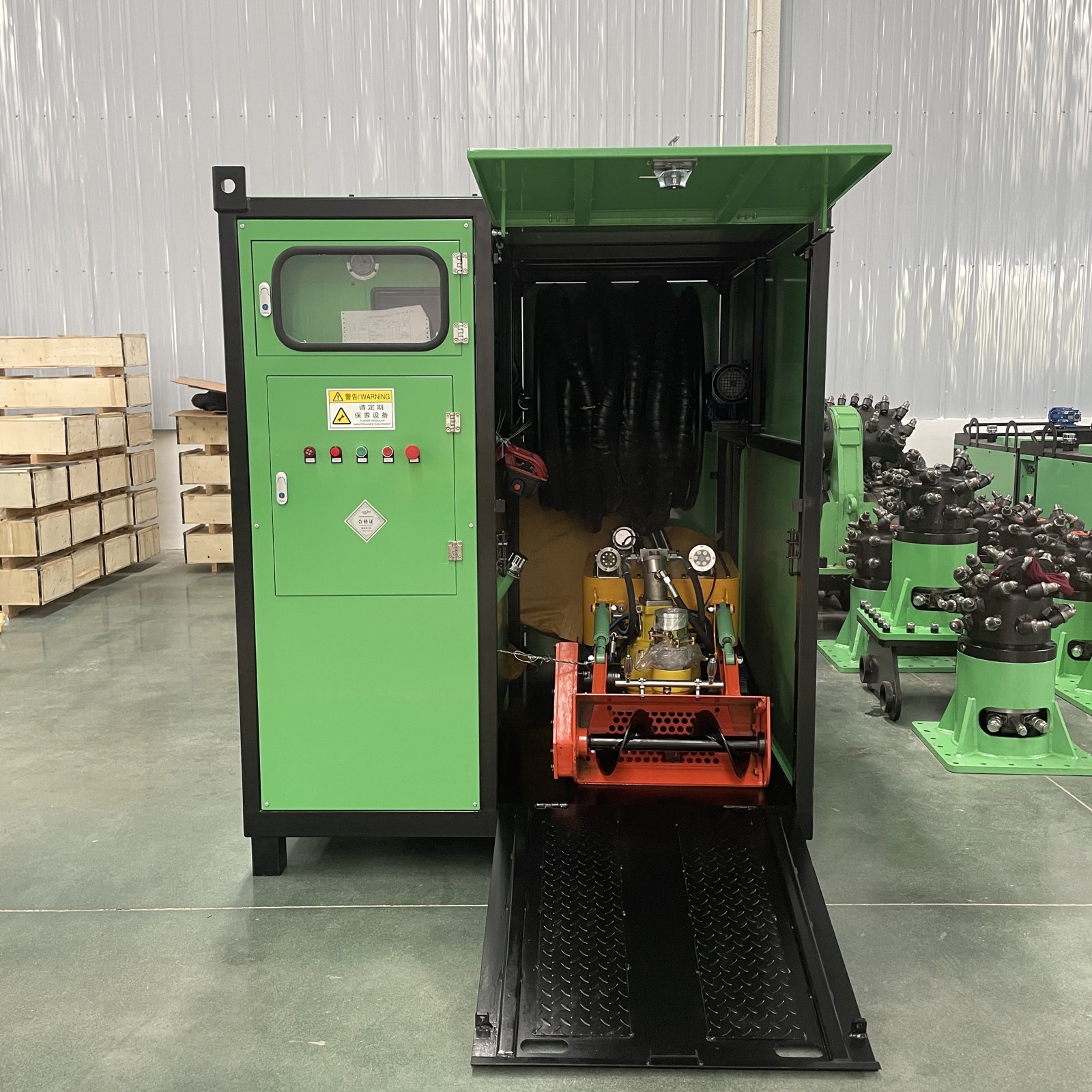
Remote-Controlled Pond Desilting System
Plan the robot, surface controls, monitoring and hose handling together when work must be managed from shore.
Equipment for different pond types
- Fish and aquaculture ponds. Identify where feed residue and organic solids accumulate. Coordinate the work window and turbidity limits with the farm.
- Irrigation ponds. Measure sediment near inlets and pump intakes and define the storage depth you want to recover.
- Stormwater basins. Check forebays for grit and debris and confirm where dredged material can be received.
- Lined ponds. Provide liner material, seams and allowable contact conditions before selecting a robot or head.
Compare suction dredging and mechanical excavation
| Method | When to assess it | Project constraint |
|---|---|---|
| Suction dredging | Soft, pumpable deposits with an available slurry route | Receiving and dewatering capacity |
| Auger-assisted collection | Cohesive deposits that need help feeding into an intake | Debris, head clearance and floor contact |
| Mechanical excavation | Consolidated deposits or bulky debris where machinery can reach | Shore access, handling and haulage |
Match the equipment to your pond
Soft muck near the inlet
Sample deposits in the inlet zone and farther into the pond. If the material can be pumped, compare a suction head with an auger-assisted intake for thicker pockets.
Limited access from shore
Identify a launch point and a separate place to stage the controls. Measure the bank slope and the distance to the farthest cleaning area before choosing a robot.
Long slurry discharge route
Measure hose length and elevation to the receiving point. Ask the supplier to specify the pump duty for your expected slurry and confirm what happens if the receiving system fills.
How to size a pond sludge removal system
- Survey the pond depth and sediment thickness by zone. Estimate the in-place deposit volume separately from pumped slurry volume.
- Describe the deposit. Organic muck, sand, fibrous weeds and stones require different collection and handling approaches.
- Measure bank access, launch area, slopes and the route to retrieve equipment.
- Trace the discharge hose to its receiving point. Record the length, elevation change and receiving capacity.
- Agree on target zones, allowable residual sediment and how to verify the work.
Map pond sediment before deciding where to dredge
Begin with the reason for the project. An irrigation operator may need to clear sediment near an intake, while an aquaculture operator may need to remove organic deposits from feeding areas. Mark these priority zones on a pond plan. A full-pond scope can be difficult to price if the depth and distribution of the deposits are unknown.
Record water depth and sediment thickness at representative points, using a consistent water-level reference. Note where the bottom changes from soft muck to firm material. In a stormwater basin, compare the inlet forebay with the main basin. Coarse sediment can settle close to the inlet, while finer material may collect farther downstream.
For example, if a 500-square-metre zone has an average deposit thickness of 0.20 metres, it contains roughly 100 cubic metres of sediment in place. This estimate helps compare project scopes. The volume of slurry delivered to shore will also depend on the amount of water taken up during dredging.
Check whether the shoreline can support the equipment
Photograph the route from the access gate to the proposed launch point. Include narrow turns, steep banks and soft ground. Mark a separate area for the control cabinet and hose handling. If the pond level changes during irrigation or between production cycles, check whether the same launch point will remain usable on the planned work dates.
On a lined pond, identify seams, anchors and transitions between the bank and bottom. Ask the liner supplier which surfaces can be contacted and what protection is needed. Share this information when requesting a pond dredging machine so the supplier can evaluate the proposed chassis and collection head.
Define how pond dredging results will be measured
Agree on the areas to be cleared and the depth to be reached at each one. For an irrigation pond, the target might be a clear zone around the intake. For a stormwater forebay, it might be the removal of sediment to an agreed reference level. Record the locations of the original measurements so the post-work survey can use the same points.
Ask suppliers to explain the assumptions behind any production estimate, including sediment type, expected solids concentration and time spent repositioning or clearing debris. This makes equipment proposals easier to compare when one supplier quotes slurry flow and another quotes sediment removed per shift.
Plan slurry transfer and dewatering
Identify where dredged slurry will be held, settled or dewatered. Check whether the receiving system can accept the expected slurry flow and solids load. Discuss water return and solids handling with the site team before specifying the pump and hose.
What affects pond dredging equipment price?
Compare quotes that specify the robot, collection head, pump, hose, surface controls and delivery scope. A long hose route, changes in elevation and different sediment conditions can alter the system configuration. Ask which commissioning, training and spare parts are included.
Pond dredging equipment FAQs
Can a pond be dredged without draining it?
Submerged equipment can be assessed where water depth, access and operating conditions allow. The site team should confirm its water level and turbidity limits.
Can the same pond dredge remove silt and gravel?
That depends on the intake and pump configuration. Share particle sizes and representative samples before choosing the equipment.
Can a dredging robot work on a pond liner?
Suitability depends on the liner and the proposed chassis and head. Provide liner details and check allowable contact with the liner supplier.
What do I need for a quote?
Send pond dimensions, water depth, deposit thickness, representative photos, bank access and the proposed discharge route.
Request a pond dredging equipment quote
Share a site plan, sediment details and the discharge route. PAILIEN can review the proposed robot, collection head and pumping package for your pond.