
PAILIEN ROCK SPLITTING EQUIPMENT
Hydraulic
Rock Splitters
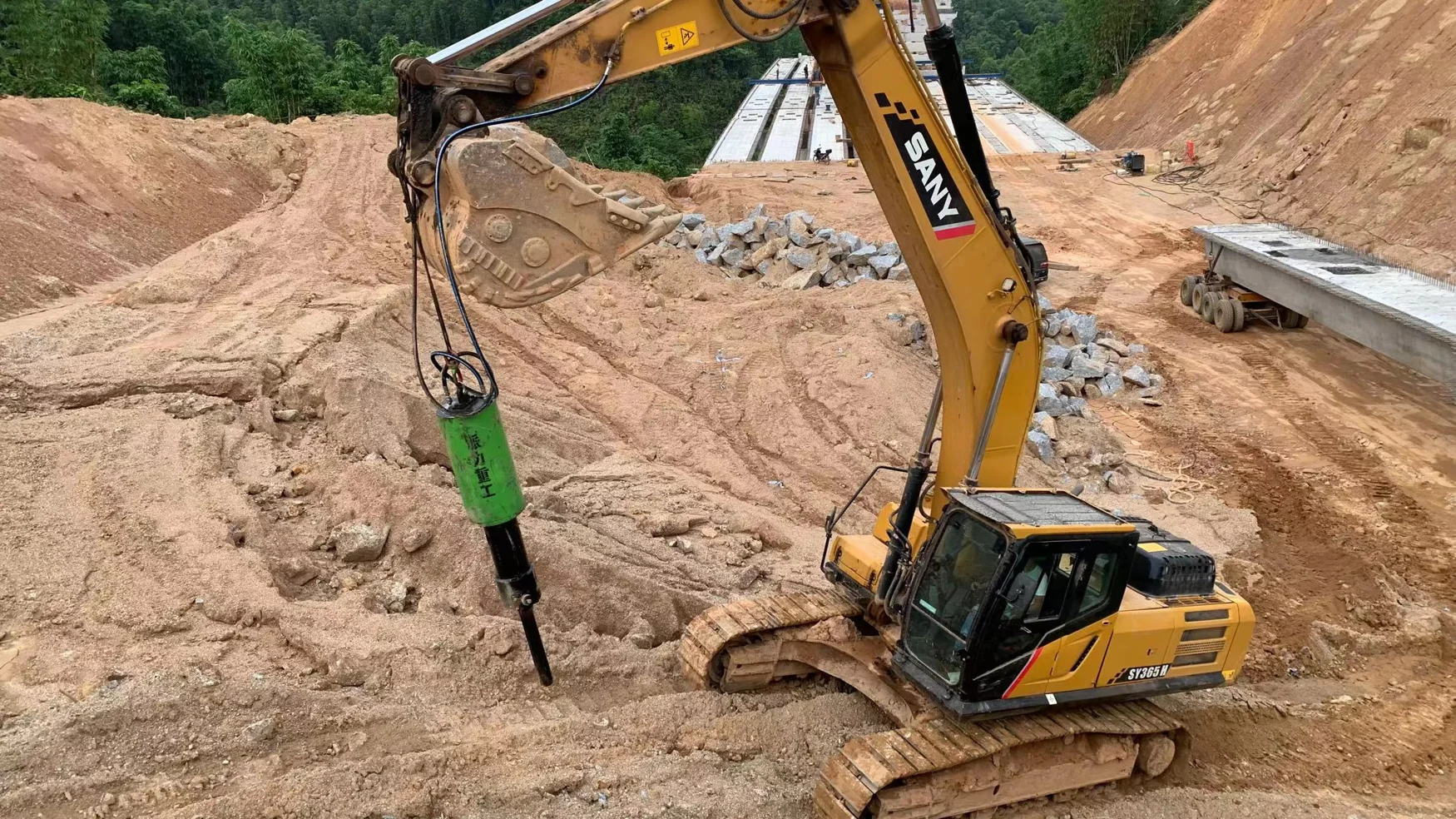
No blasting, low vibration during splitting, and controlled breaking. Steady hydraulic pressure splits rock and concrete without repeated hammer blows. Borehole placement and an exposed face help guide the fracture for selective removal.
PRODUCT RANGE
Four ways to split rock
Start with access, available drilling equipment and the volume you need to remove. These constraints help narrow the choice before you compare model specifications.
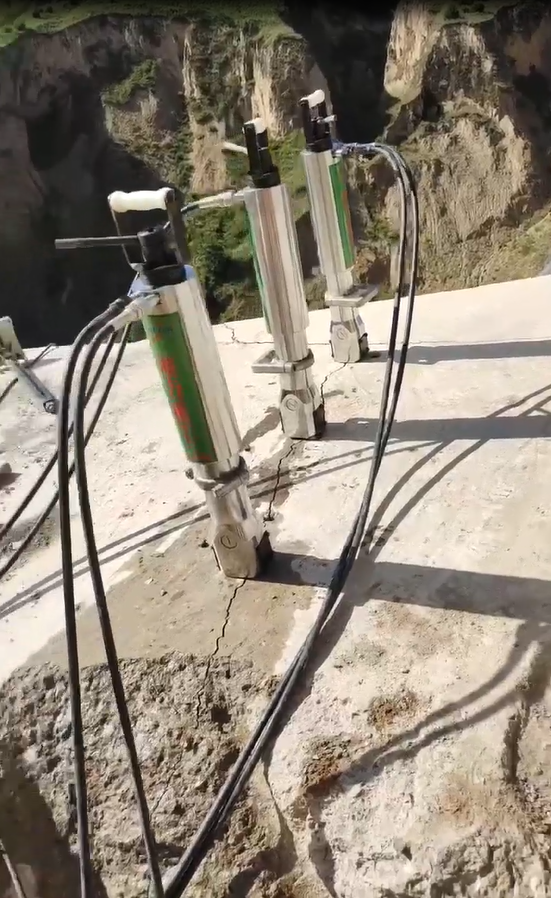
Handheld Rock Splitter
Wedge splitters for confined access and selective breaking.
View handheld splitters ↘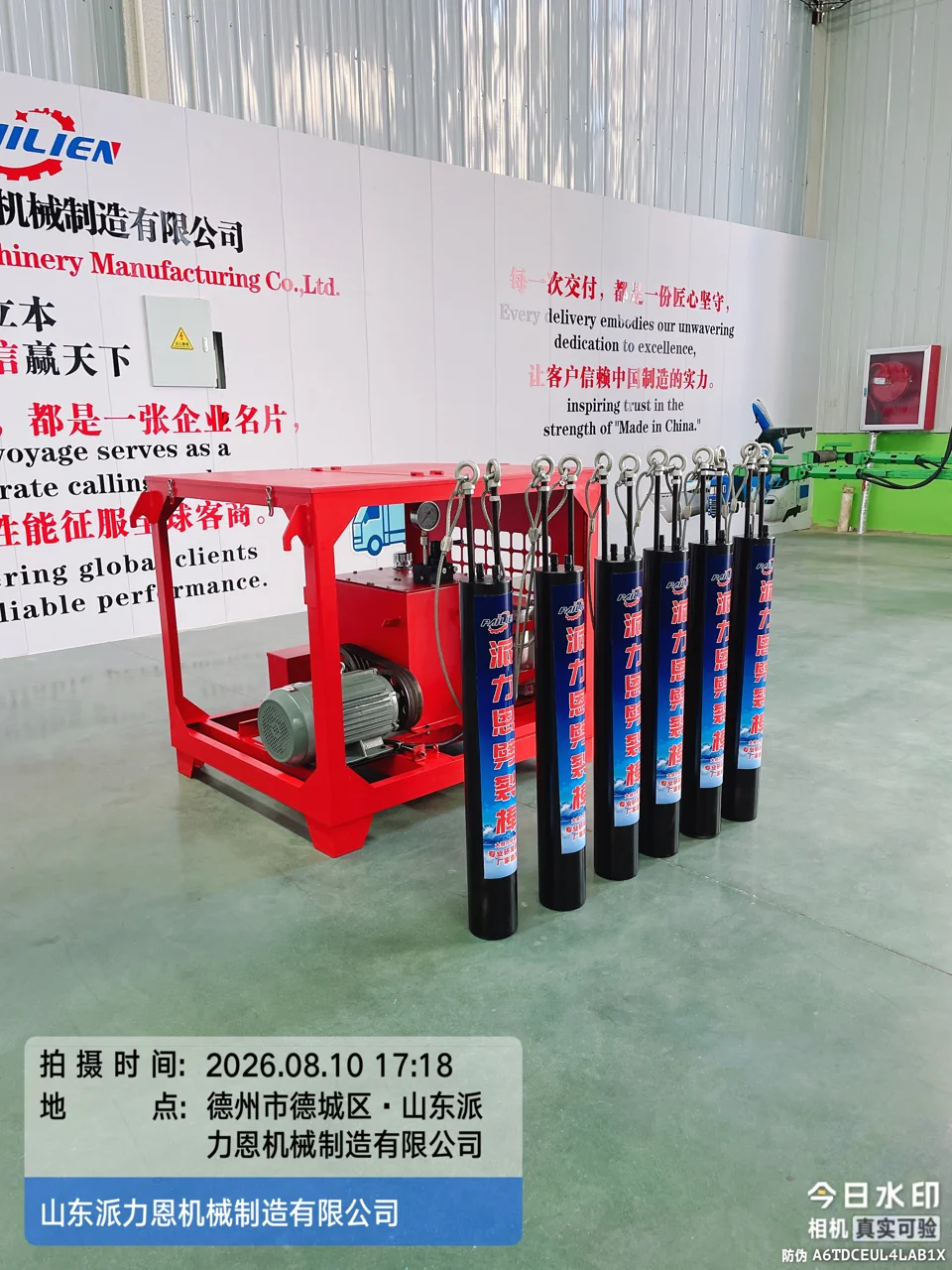
Hydraulic Splitting Rod
Multi-piston rods for larger predrilled holes and bulk rock breaking.
View splitting rods ↘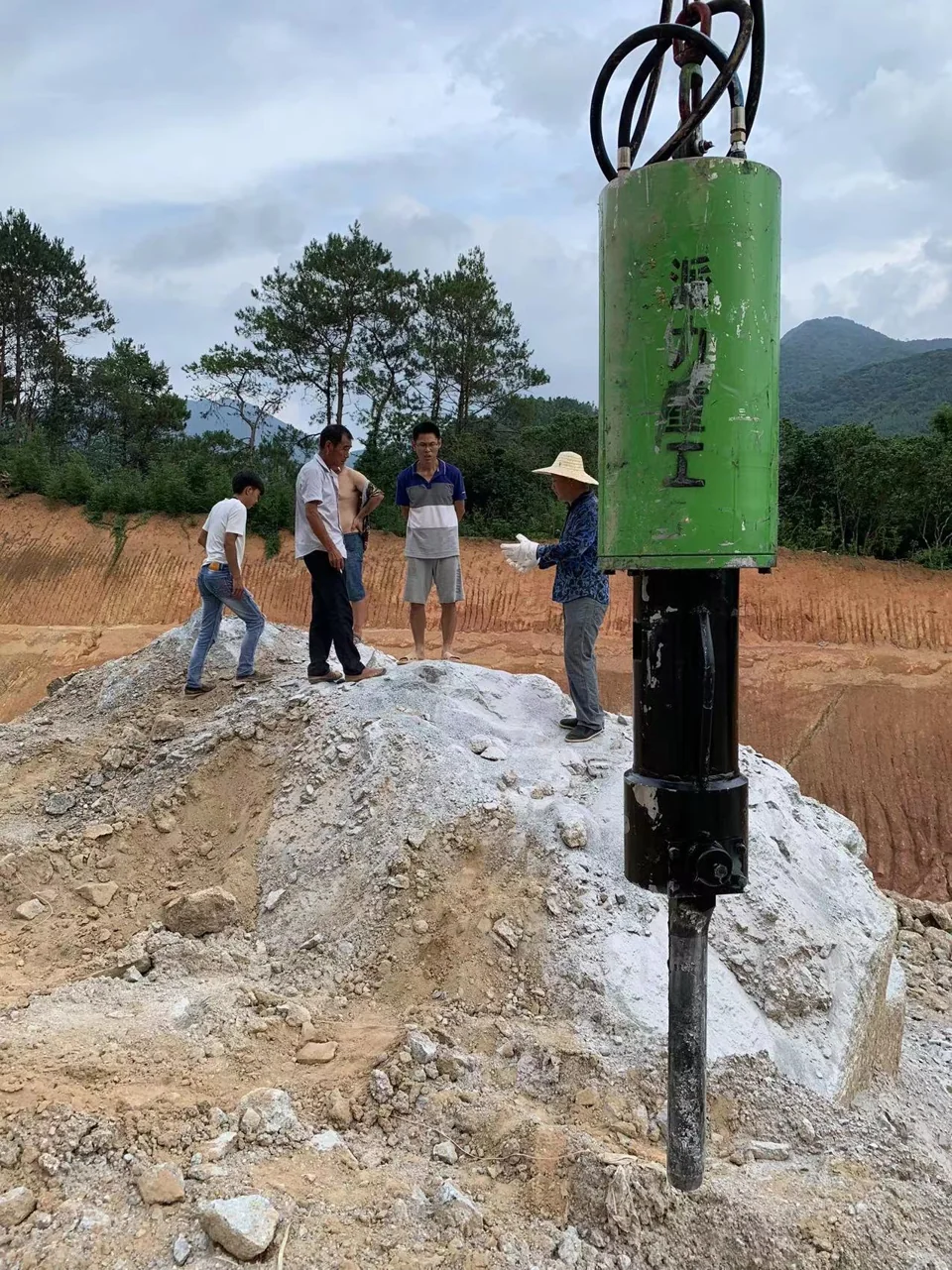
Excavator Rock Splitter
Boom-positioned splitting for sites with a separate drill.
View excavator splitters ↘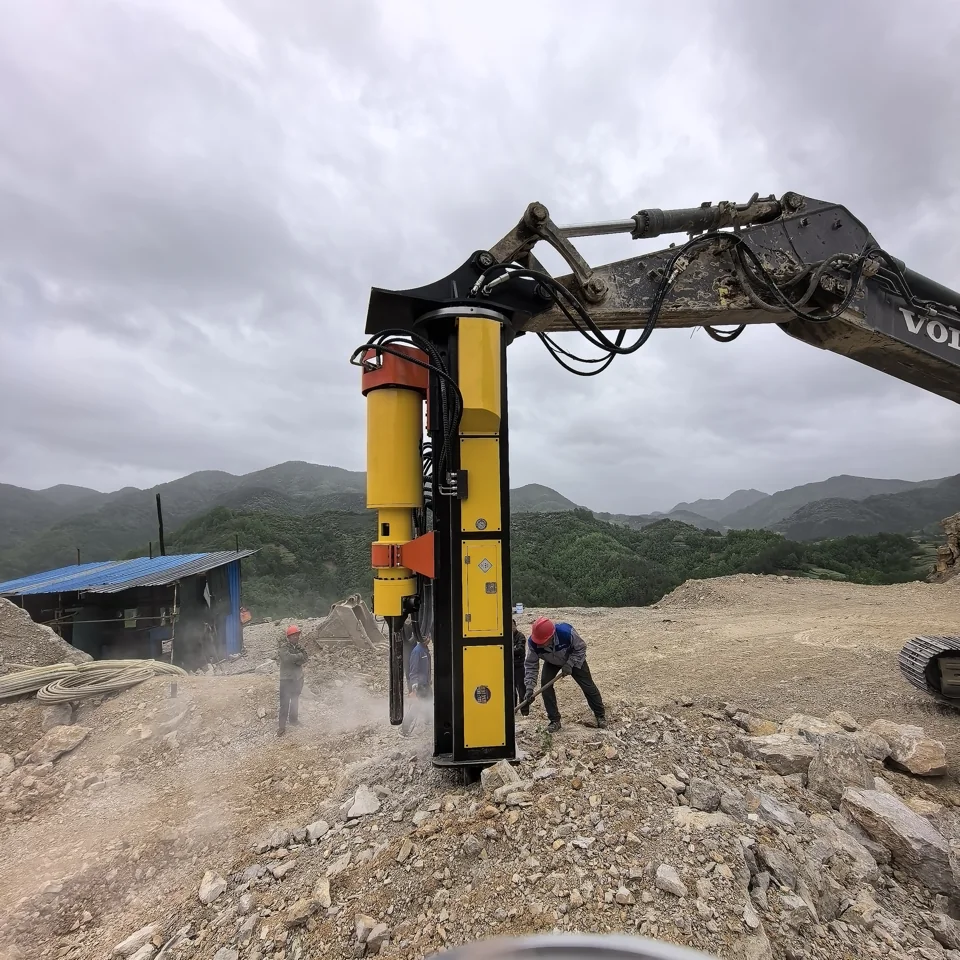
Drill-and-Split Machine
Drilling and hydraulic splitting on a single excavator attachment.
View drill-and-split machines ↘WORKING PRINCIPLE
How hydraulic rock splitting works
A splitter applies lateral force inside a predrilled bore. The lateral load creates tensile stress in the surrounding material. A crack can form when that stress exceeds the material’s tensile strength. A wedge splitter drives a center wedge between two outer wedges, while a splitting rod extends pistons along its body.
Plan the break
Identify a free face, an exposed side that gives the rock room to move. Bedding and natural joints can redirect a crack. The target fragment size helps determine how to lay out the holes and sequence the breaks.
Drill to suit the tool
Match the hole diameter and depth to the selected splitter. Hole alignment, drill cuttings and clearance all affect whether the tool can seat properly.
Split and clear
Hydraulic pressure opens the fracture. The crew then clears the material, assesses the newly exposed face and prepares the next section.
EQUIPMENT DETAILS
What each system needs on site
Handheld Hydraulic Rock Splitter
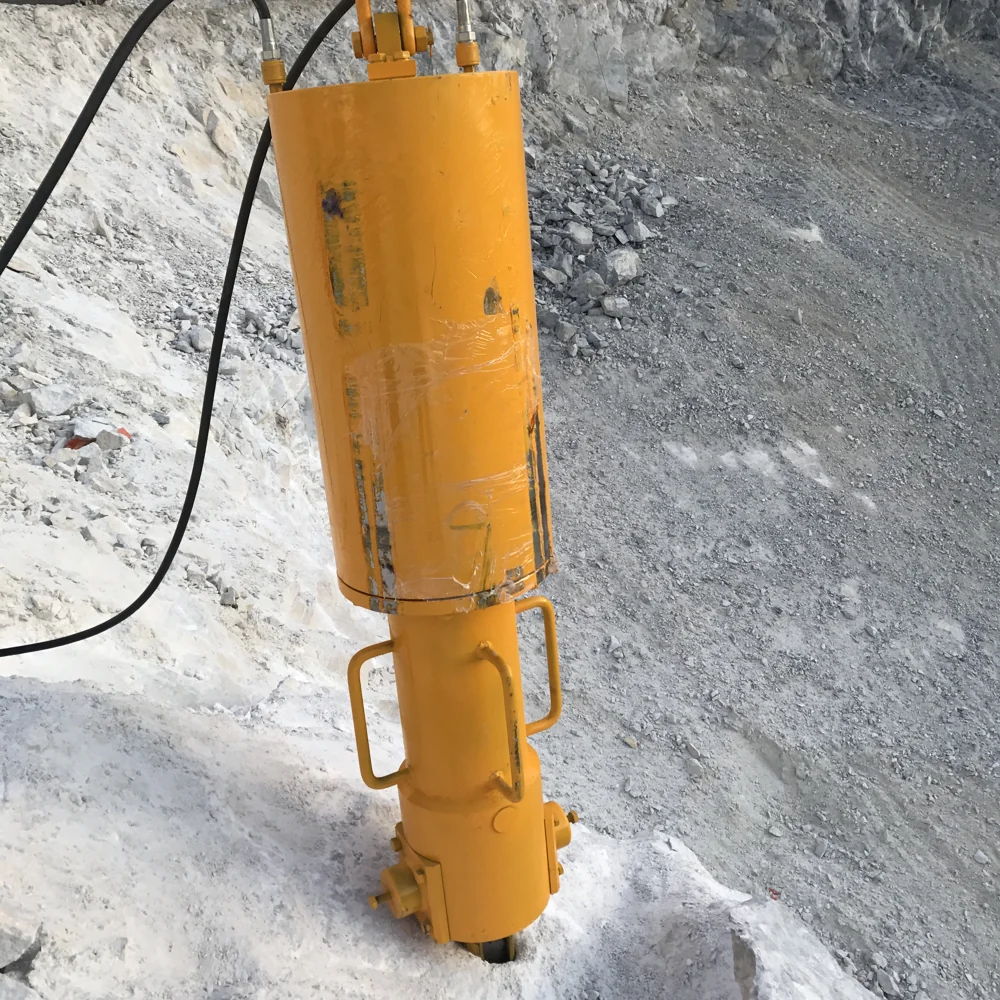
A separate hydraulic power pack supplies a splitting cylinder that the crew positions by hand. The compact head suits work in trenches, basements and other areas where an excavator has limited access. It can also be used for selective concrete removal. From the PLE-250 to the PLE-450, the required bore diameter and the wedge length both increase.
Check before selecting. Match the bit diameter and hole depth to the wedge set, plan how the crew will handle a 36–40 kg head, and size the power pack for the number of heads. Confirm hose length and whether the heads will be operated in sequence or together.
Power packs and wedge sets
An electric pack suits jobs with a compatible power supply, particularly where the crew wants to avoid engine exhaust at the work face. Gasoline and diesel packs are options for sites without a suitable electrical connection. For a package with several splitting heads, ask whether the specified pump and manifold can supply multiple heads at once. Check how the crew will route hoses as the work advances. A longer wedge reaches farther into the material, but it also calls for a deeper bore. Start with the thickness of the section and the space available for drilling and handling.
Hydraulic Rock Splitting Rod
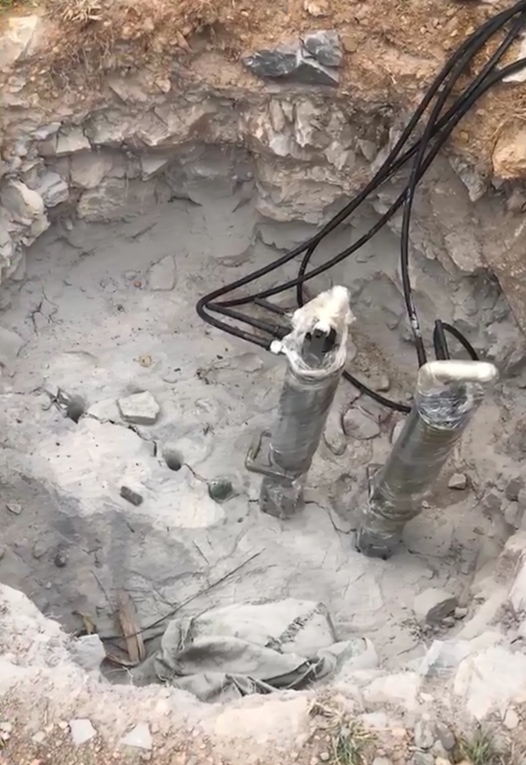
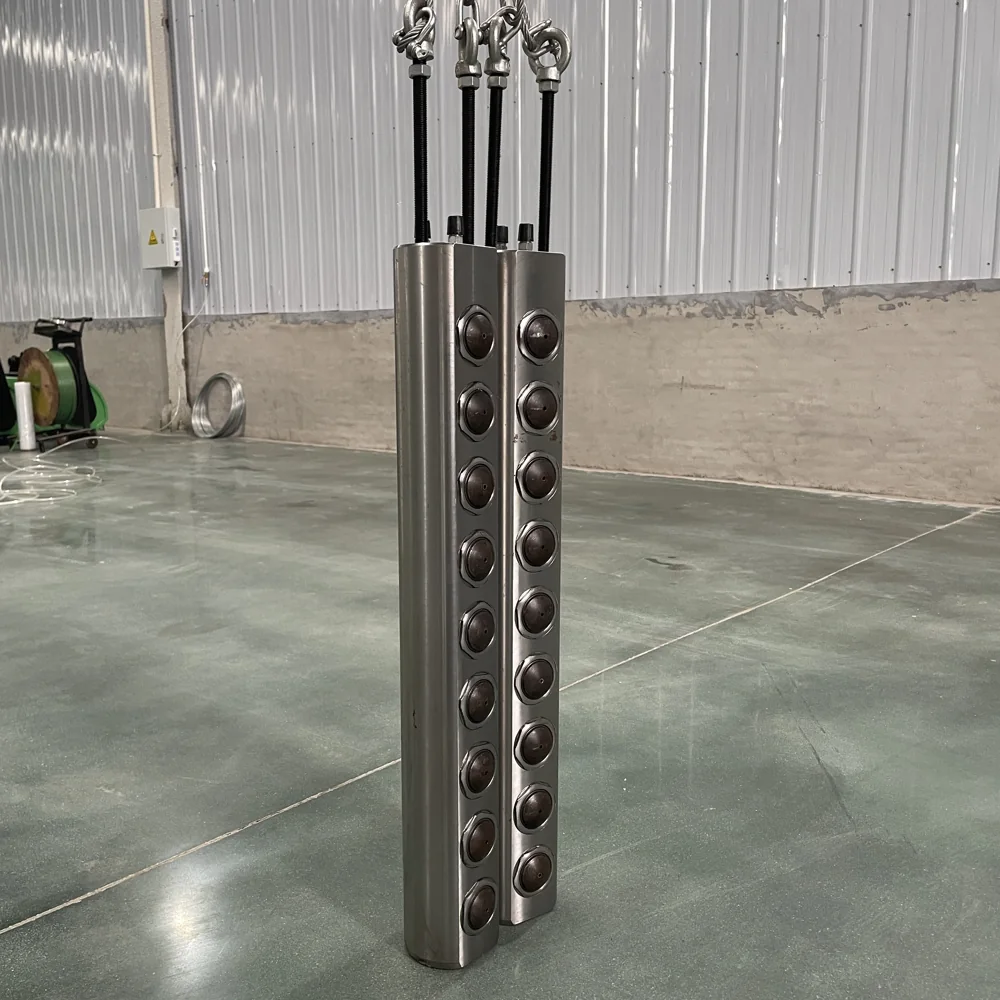
A dedicated pump powers multiple pistons along the rod. The pistons press against the bore wall at several points along the rod. This makes the system useful for breaking boulders and removing rock from quarry benches and foundation cuts. The range covers nominal hole diameters from 90 to 180 mm, with electric and diesel power options listed in the catalog.
Check before selecting. Allow for the drilling capacity and handling equipment needed for the rod. Catalog rod weights range from 45 to 185 kg. The crew also needs room to move and remove the broken rock at the free face.
Bore capacity and rod handling
The splitting rod, drill and hydraulic pack work as a system. A larger rod needs a drill and bit that can maintain the specified bore diameter over the required depth. Fractured rock and accumulated cuttings can affect whether the rod seats properly. Check access for lifting the rod and routing hoses along the face. For isolated boulders, look at how the rock is supported and how each piece will move after separation. On a bench, check whether newly released pieces can be cleared before drilling the next section.
Excavator-Mounted Rock Splitter
The excavator boom lifts and aligns the splitter over a hole made by a separate drill. The PLE-320 uses either a separate hydraulic power pack or a compatible excavator auxiliary circuit, depending on the configuration. It suits open foundation cuts, quarry faces and recurring boulder removal where a separate drilling crew or rig is already available.
Check before selecting. Review the carrier’s lift capacity at the intended reach, mounting geometry, hydraulic pressure and flow, return circuit and attachment clearance. Include the time needed for the drill and excavator to share the working face.
Carrier capacity and drilling logistics
The catalog lists the PLE-320 at 880 kg and specifies a bore diameter of 110 mm and a bore depth of 1.5 m. Check the combined weight of the splitter and mounting hardware against the excavator’s lift chart at the intended reach and height. A carrier that can lift the attachment close to the tracks may have less capacity when reaching down into a cut or across a bench. Stagger drilling and splitting where the site layout allows it, with enough separation between the machines and a clear route for fragment removal.
Integrated Drill-and-Split Machine
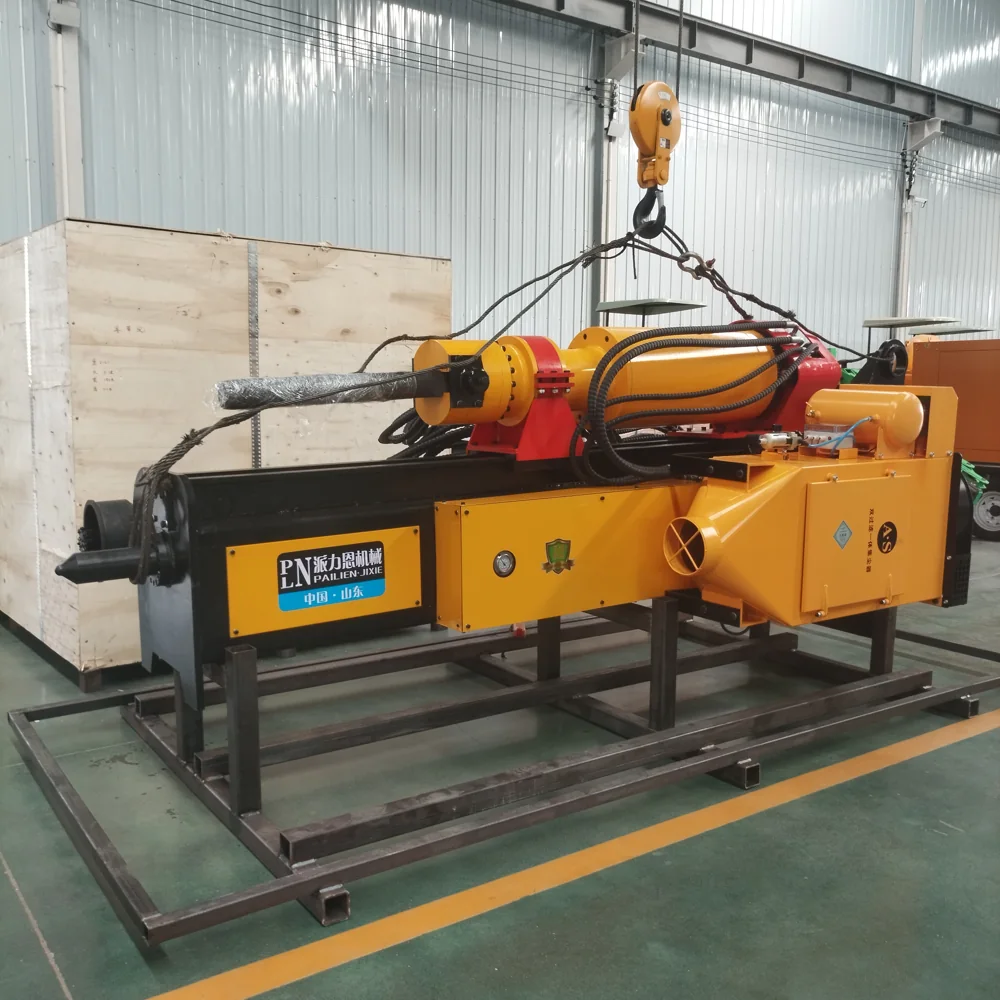
A single excavator attachment carries the drill and the hydraulic splitter. The operator can move between drilling and splitting without bringing a separate rig to the same face. This is useful when holes repeat across a quarry bench, road cut or foundation excavation.
Check before selecting. The pneumatic configuration uses compressed air for drilling and hydraulics for splitting. The hydraulic version uses hydraulic drilling. Compare carrier fit, auxiliary flow and air supply where applicable, along with drill reach, attachment clearance and access for fragment removal.
Hydraulic and pneumatic drilling
Both PLE-200 versions list a bore diameter of 90–115 mm. The fully hydraulic version lists a 2,000 mm bore depth and a 20–50 t carrier range. The pneumatic version lists a 1,700 mm bore depth and a 20–28 t carrier range. The pneumatic PLE-300 and PLE-400 are specified for 135 mm and 150 mm bores, respectively. Compare the hydraulic demand and carrier match for the exact configuration, then account for the compressor and air lines on the pneumatic setup. During a trial, time the complete sequence from positioning through drilling, switching to the splitter and clearing fragments. Use that cycle time to compare configurations on the same material and estimate how many holes a crew can complete in a shift.
MODEL COMPARISON
Match the splitter to your drill and carrier
Use these catalog figures for initial selection. Hole dimensions, power pack configuration and excavator fit should be confirmed for the quoted equipment.
| Family / model | Hole diameter | Listed hole depth | Power or carrier requirements |
|---|---|---|---|
| Handheld PLE-250 / 350 / 450 | 42 / 46 / 50 mm | 500 / 600 / 700 mm | Separate hydraulic power pack |
| Splitting rods PLE-90 / 110 / 130 | 90 / 110 / 130 mm | Confirm by model | 4 kW electric or 8 hp diesel pack |
| Splitting rods PLE-150 / 180 | 150 / 180 mm | Confirm by model | 7.5 kW electric or 18 hp diesel pack |
| Excavator splitter PLE-320 | 110 mm | 1,500 mm | Separate hydraulic pack or excavator supply |
| Hydraulic drill-and-split PLE-200 | 90–115 mm | 2,000 mm | 20–50 t carrier · 210 L/min rated flow |
| Pneumatic drill-and-split PLE-200 | 90–115 mm | 1,700 mm | 20–28 t carrier · 210 L/min rated flow |
| Pneumatic drill-and-split PLE-300 | 135 mm | 2,200 mm | 30–38 t carrier · 240 L/min rated flow |
| Pneumatic drill-and-split PLE-400 | 150 mm | 2,200 mm | 40–50 t carrier · 280 L/min rated flow |
Where a row groups several models, read the diameter and depth values in the same order as the model names. Excavator tonnage is an initial screening figure. Confirm compatibility using the carrier’s lift chart and hydraulic specifications. Pneumatic drill-and-split models also require a compatible air compressor.
SELECTION GUIDE
Choose for the job you need to finish
Confined or selective demolition
Start with a handheld wedge splitter when access is limited and the break must follow a defined boundary. For reinforced concrete, plan how exposed reinforcement will be cut or separated.
Large boulders and quarry blocks
Compare a splitting rod when the drill can produce a larger bore and the site can lift the rod. For dimension stone, evaluate natural joints and the required block dimensions before committing to a bore pattern.
Excavation with a drill already on site
Consider an excavator splitter when the drill can keep holes ready and the boom can align with them. Check how both machines can work around the face without blocking rock removal.
Repeated drilling and splitting
Consider an integrated attachment when moving a separate drill between positions takes up a significant part of the cycle. Compare drilling, tool positioning, splitting and clearing time over a representative section.
What to check during a site trial
Choose a section that represents the material, access and break size you expect on the job. A boulder with open faces can break differently from rock confined on several sides. Record the conditions as well as the result so you can compare different splitter packages on the same basis.
Check the bore
Record the actual hole diameter and depth and check whether the tool seats consistently. If drilling takes most of the cycle, compare drill capacity, bit wear and time spent clearing holes before changing splitter size.
Measure the result
Look at the size of the pieces, how far the crack travels, and whether the rock separates far enough for removal. For dimension stone, record whether the fracture follows the intended face and leaves the block suitable for further processing.
Time the whole cycle
Include positioning, drilling, splitting, tool removal and loading. Record delays such as moving a compressor, swapping tooling or waiting for the excavator to clear fragments. These observations help determine which equipment and crew arrangement can meet the planned schedule.
BUYER QUESTIONS
Rock splitter FAQ
What is the difference between a splitting rod and a wedge splitter?
A wedge splitter drives a center wedge between two outer wedges. A hydraulic splitting rod uses several pistons along the body to apply force inside a larger bore. Drill capacity, available access and lifting arrangements help determine which system fits.
Do all rock splitters need a separate drill?
Handheld splitters, splitting rods and standard excavator-mounted splitters need holes made with a separate drill. An integrated drill-and-split attachment carries its own drilling unit. Pneumatic drilling versions also need a suitable compressor.
Can a hydraulic splitter break granite or reinforced concrete?
A hydraulic splitter can break hard rock such as granite and can crack concrete when the crew can prepare suitable bores and provide room for the material to move. Rock joints and reinforcement affect how the material separates. Reinforcing steel can still hold cracked pieces together. Plan for cutting or separating the exposed reinforcement during removal.
How much rock can a splitter remove in a shift?
Shift output depends on bore preparation, crack development, tool repositioning and fragment removal. A timed trial on representative material provides a better estimate than the hydraulic splitting time on its own.
How does splitting affect noise and vibration?
Hydraulic splitting applies force without repeated breaker blows or explosive charges. Assess drilling and rock handling separately when planning work near occupied buildings or vibration-sensitive structures.
What wears during normal use?
Check wedge sets or piston contact surfaces, hydraulic hoses, couplings and seals. Follow the model’s lubrication and service instructions and ask which wear parts are included with the package.
What is included in the price?
Ask for an itemized quote covering the splitter or attachment, power pack or carrier interface, hoses, wear parts and any drilling equipment or compressor required. For an excavator attachment, share the carrier make, model and hydraulic circuit data.
CONFIGURATION & PRICING
Request a rock splitter quote
Share site photos, material type, estimated volume and target fragment size. If you already have a drill, include the bore diameters and depths it can achieve. For a mounted attachment, share the excavator make and model, auxiliary hydraulic flow and available pressure.