
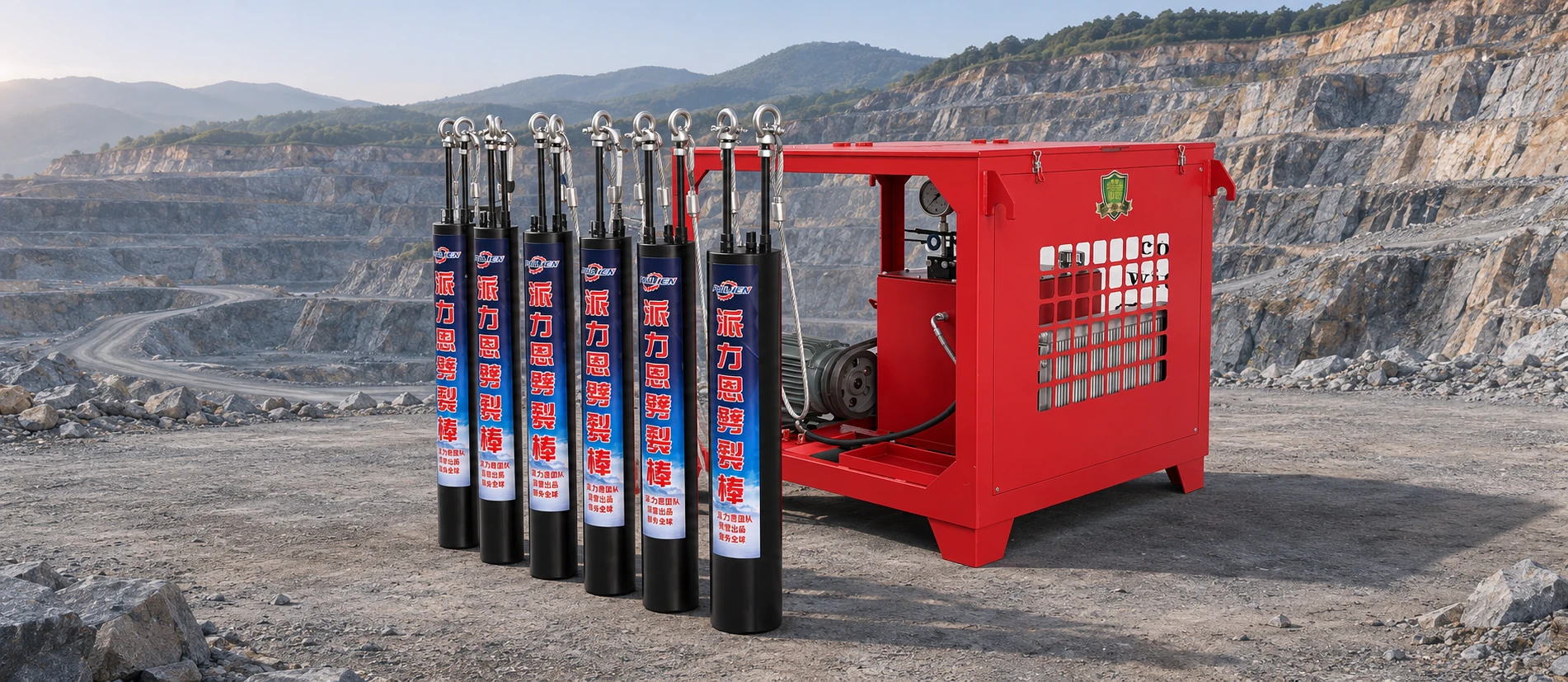
Hydraulic Rock Splitting Rods
Split large rock sections without blasting. Choose from five bore diameters ranging from 90 to 180 mm, with electric or diesel hydraulic power options.
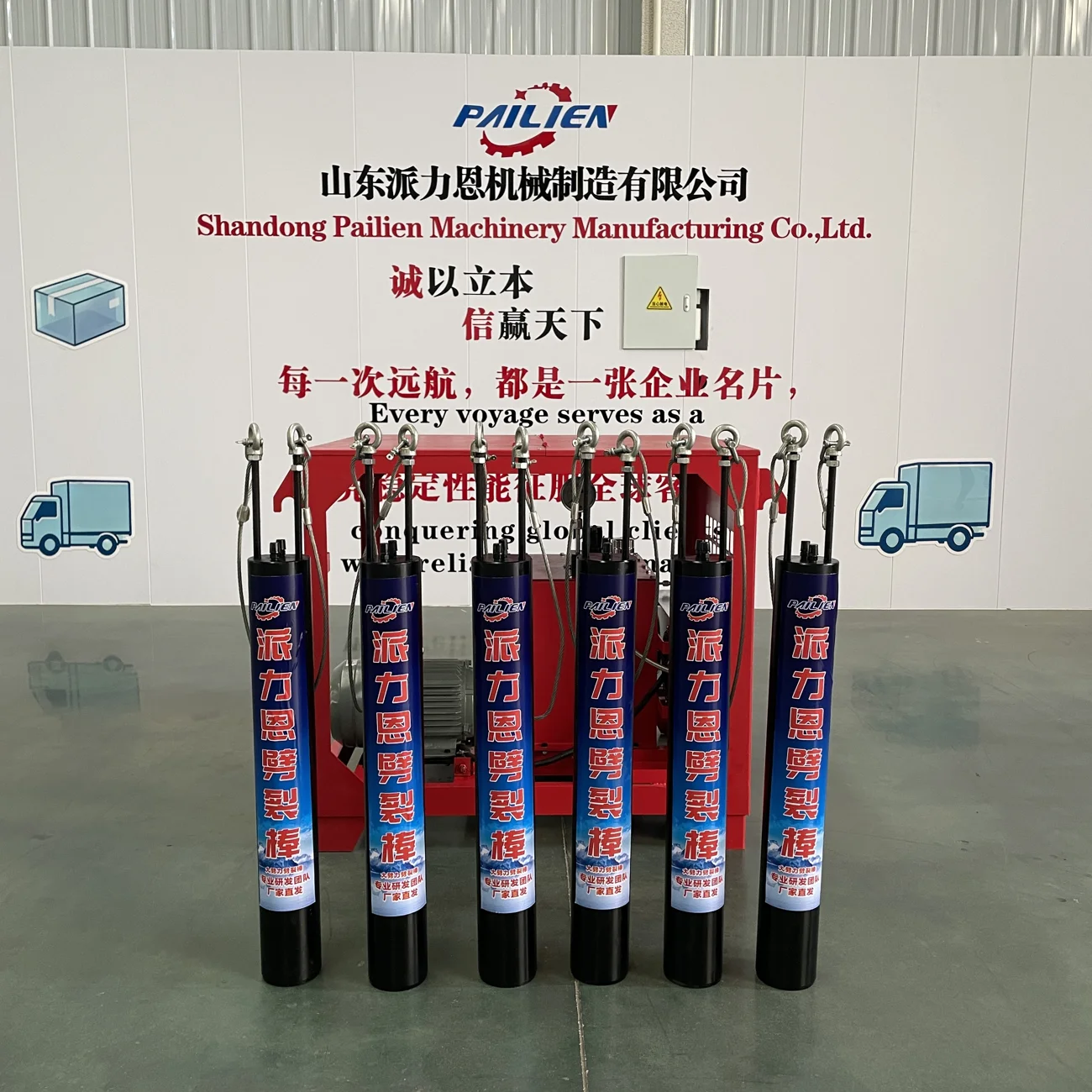
About Hydraulic Rock Splitting Rods
Hydraulic splitting rods break large rock sections without blasting. A dedicated power pack drives multiple pistons along the rod, applying force at several points inside the drilled hole. Choose a model that matches your bore diameter and the lifting equipment available on site.
Compare hydraulic splitting rod models
Start with the bore diameter your drill can reliably produce in the rock at your site. Then compare rod weight and power pack options. Confirm the required hole depth and exact pack configuration for the selected model before ordering.
| Model | Bore diameter | Rod weight | Electric option | Diesel option |
|---|---|---|---|---|
| PLE-90 | 90 mm | 45 kg | 4 kW | 8 hp |
| PLE-110 | 110 mm | 50 kg | 4 kW | 8 hp |
| PLE-130 | 130 mm | 95 kg | 4 kW | 8 hp |
| PLE-150 | 150 mm | 130 kg | 7.5 kW | 18 hp |
| PLE-180 | 180 mm | 185 kg | 7.5 kW | 18 hp |
90 and 110 mm bores
The PLE-90 and PLE-110 are the lightest rods in the range. Compare them when your drill is set up for these bore sizes and the crew needs to reposition the rod frequently.
130 mm bores
The PLE-130 weighs 95 kg. Check how the crew will lift, position, and retrieve the rod at each hole. For holes beyond the reach of your current lifting equipment, plan an alternative lifting arrangement before work begins.
150 and 180 mm bores
The PLE-150 and PLE-180 require larger drill bits and lifting equipment suited to the heavier rods. Confirm that your drill can maintain bore diameter over the required depth and that lifting equipment can reach the work face.
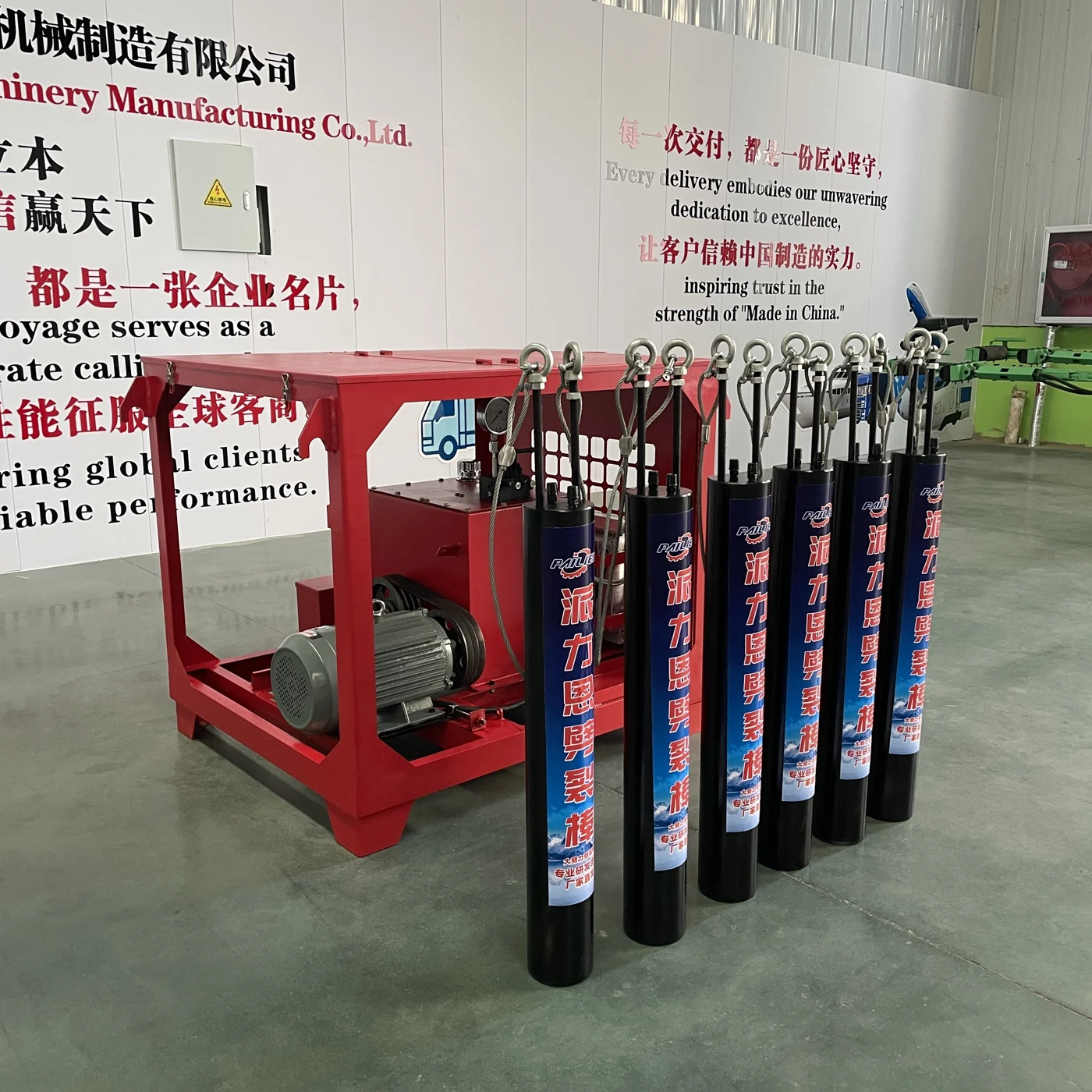
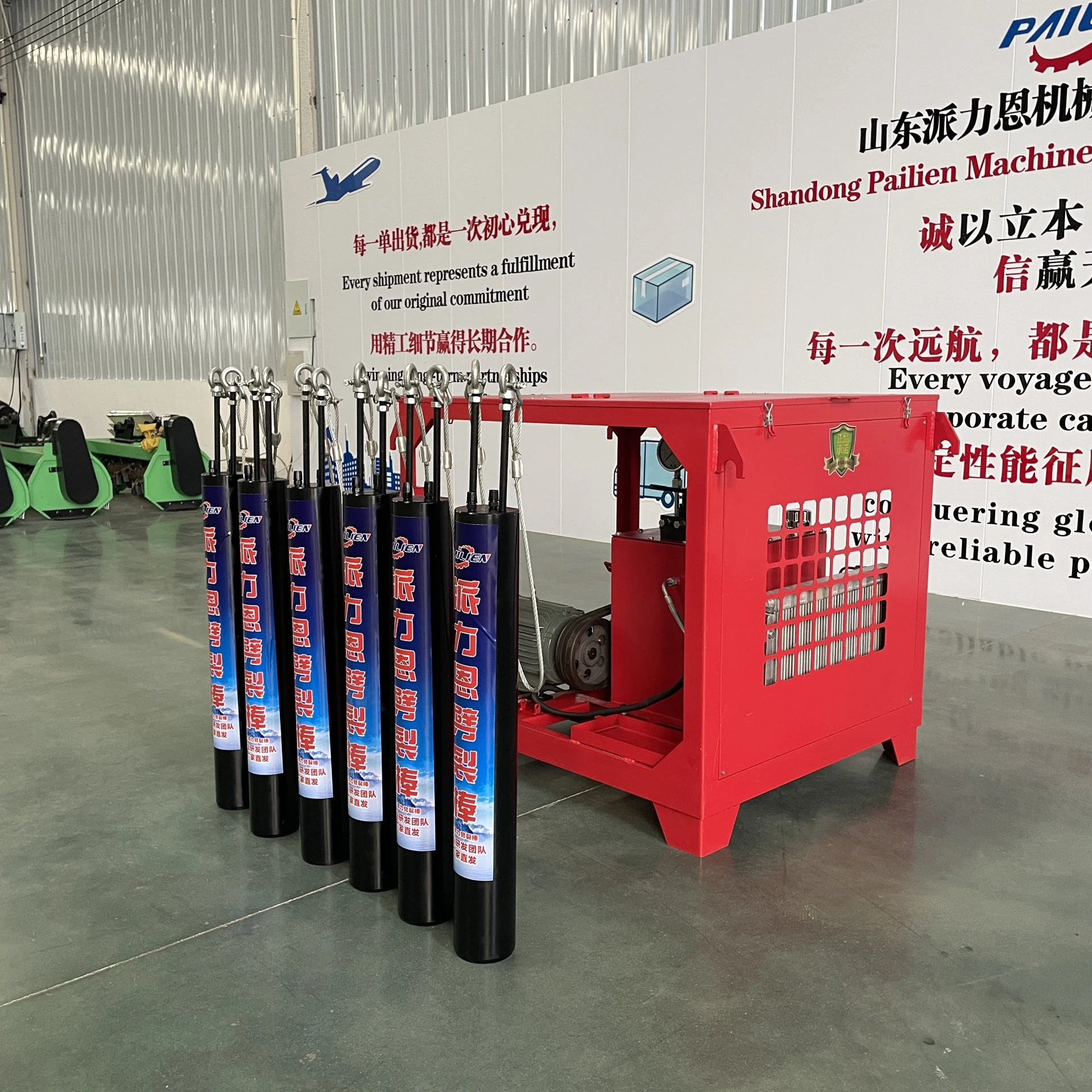
How a multi-piston splitting rod works
A separate power pack supplies hydraulic fluid to the rod through hoses. Inside a predrilled hole, pistons extend from the rod body and apply lateral force to the bore wall at several points. This puts the surrounding rock in tension. An exposed face gives the rock room to move when a fracture develops.
Rod body and pistons
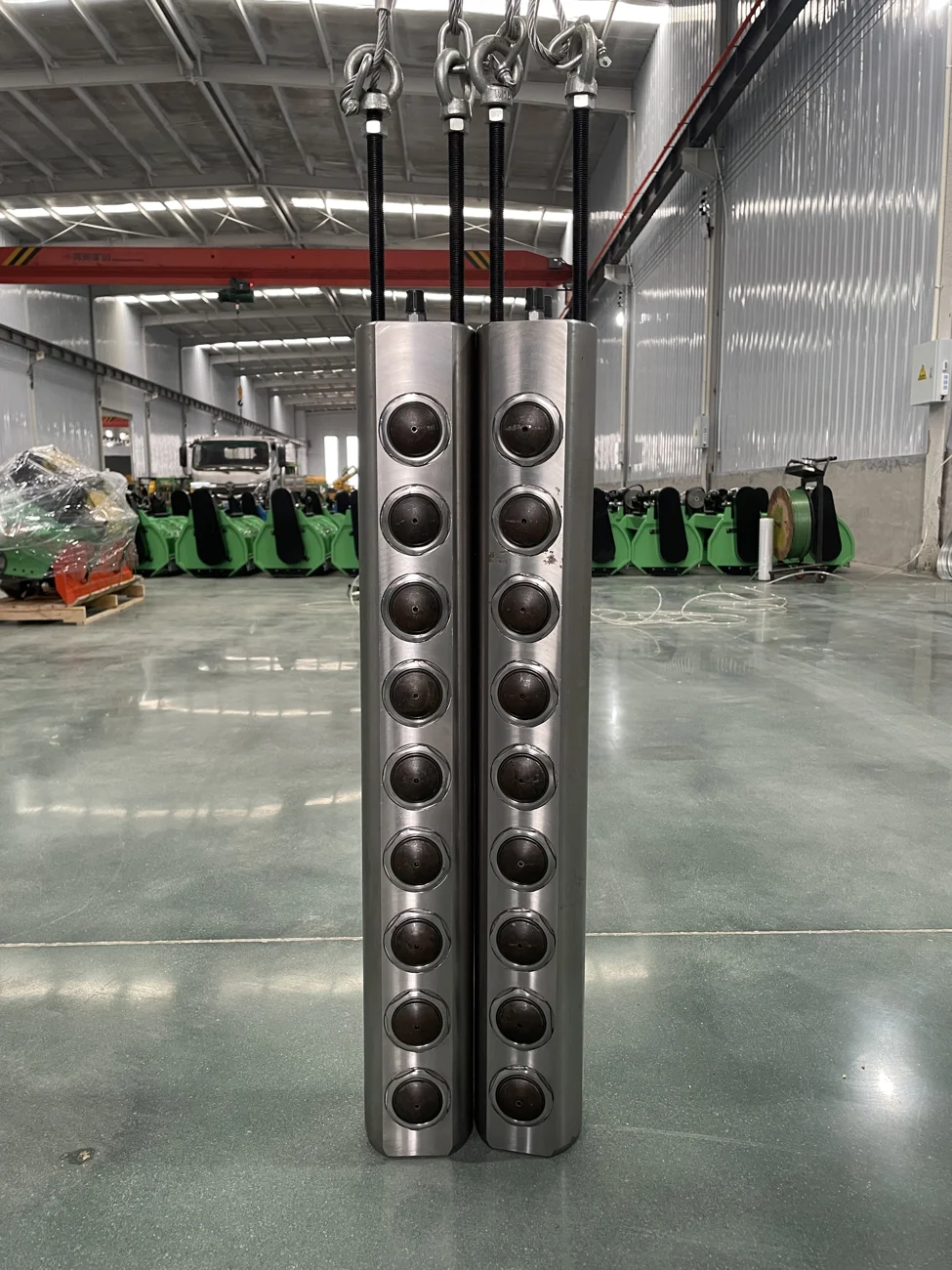
The pistons make contact with the bore wall at several points along the rod. When selecting a model, check the bore diameter and depth together. The borehole should allow the rod to reach its specified working depth. Loose cuttings, broken bore walls and misalignment can interfere with seating and retrieval.
Electric or diesel power pack
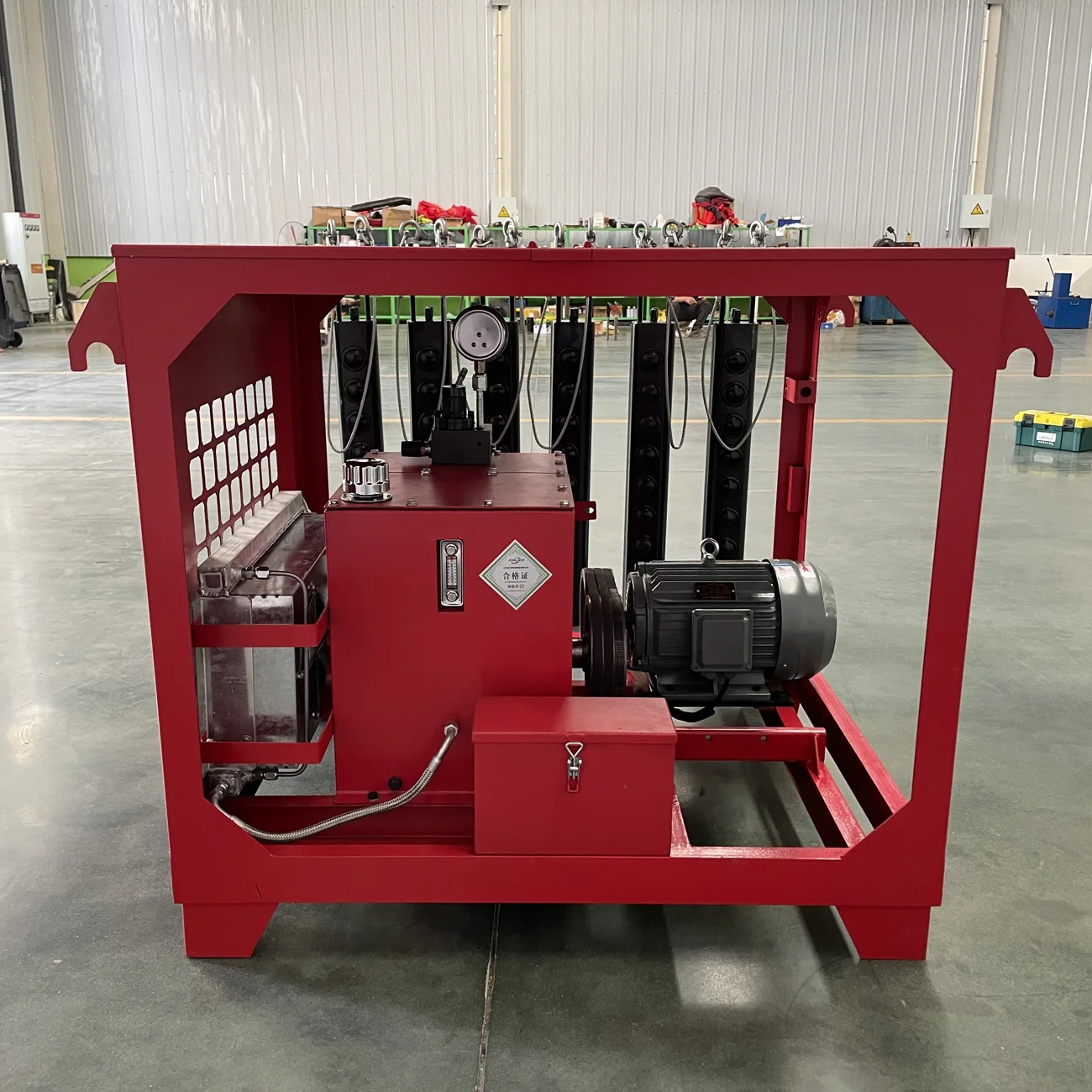
Use an electric pack where suitable power is available. Confirm voltage and phase for the supplied motor. Diesel is an option for outdoor work where an electrical supply is unavailable. Match the pump, controls, hoses and couplings to the rod configuration.
Rod handling
Plan for both insertion and retrieval. Measure the available overhead clearance and check whether the rod must enter a vertical, inclined or horizontal bore. Confirm the lifting arrangement and the reach of the handling equipment for the chosen working angle.
Hoses and connections
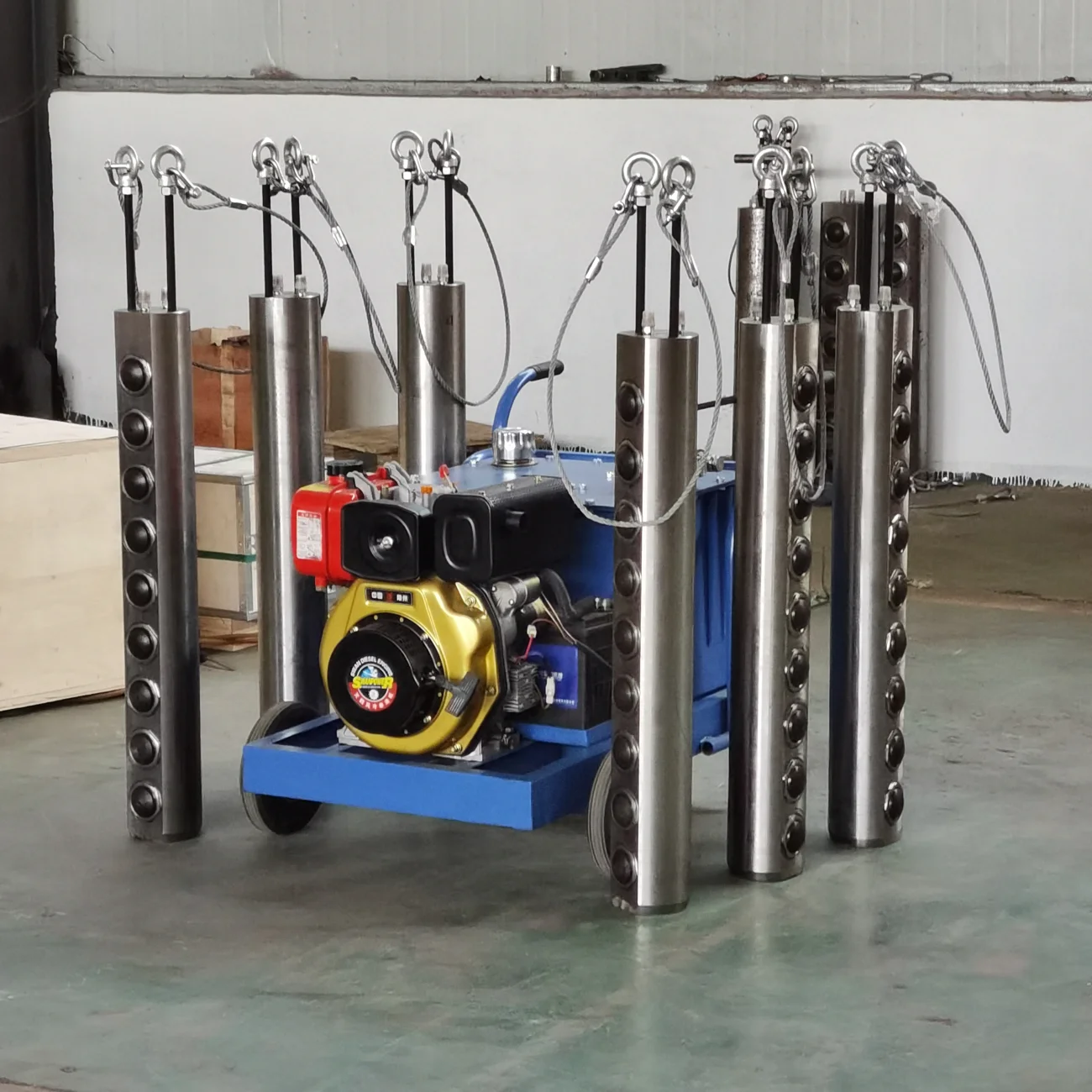
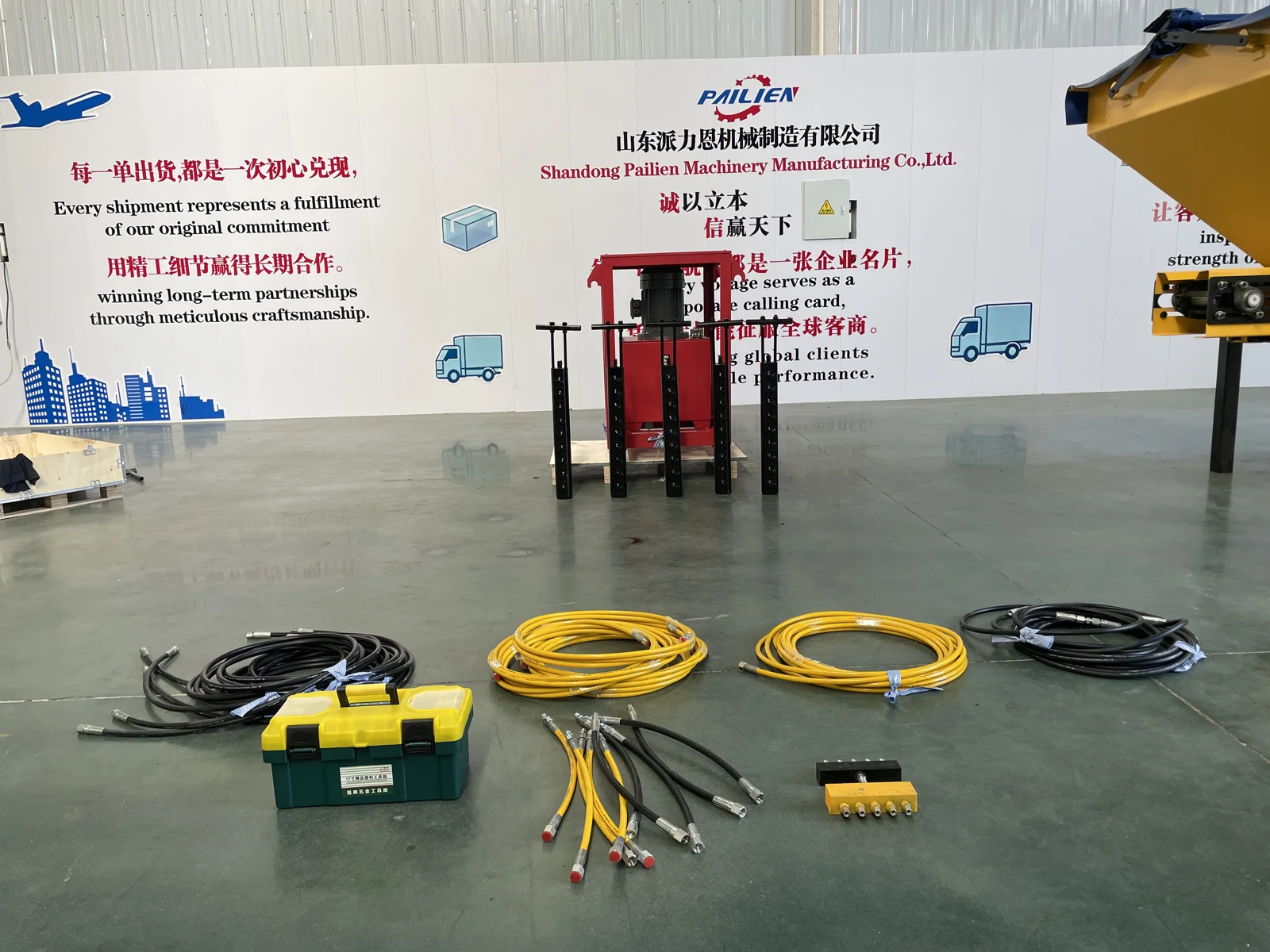
Measure the planned hose route between the power pack and the rod. Allow for changes in work position and keep the route clear of the area where broken material will be loaded. Confirm the required hose lengths and fittings in the equipment quote.
Applications for hydraulic splitting rods
Large boulders
Check the shape of the boulder, existing joints and where the separated pieces can move. Match the target fragment size to the loading equipment. A split that leaves an oversized piece can still require secondary breaking.
Quarry benches
Check the exposed face and how existing joints may influence the break. For dimension stone, assess whether the resulting surface and block size suit the next processing step.
Foundation rock excavation
Confirm that the drill and lifting equipment can reach the planned hole positions. Allow for hose routing and fragment removal when deciding where the power pack and crew will work.
Projects with blasting restrictions
Hydraulic splitting applies force without explosives. When planning work near structures, account for the drilling, lifting and clearing operations as part of the full process.
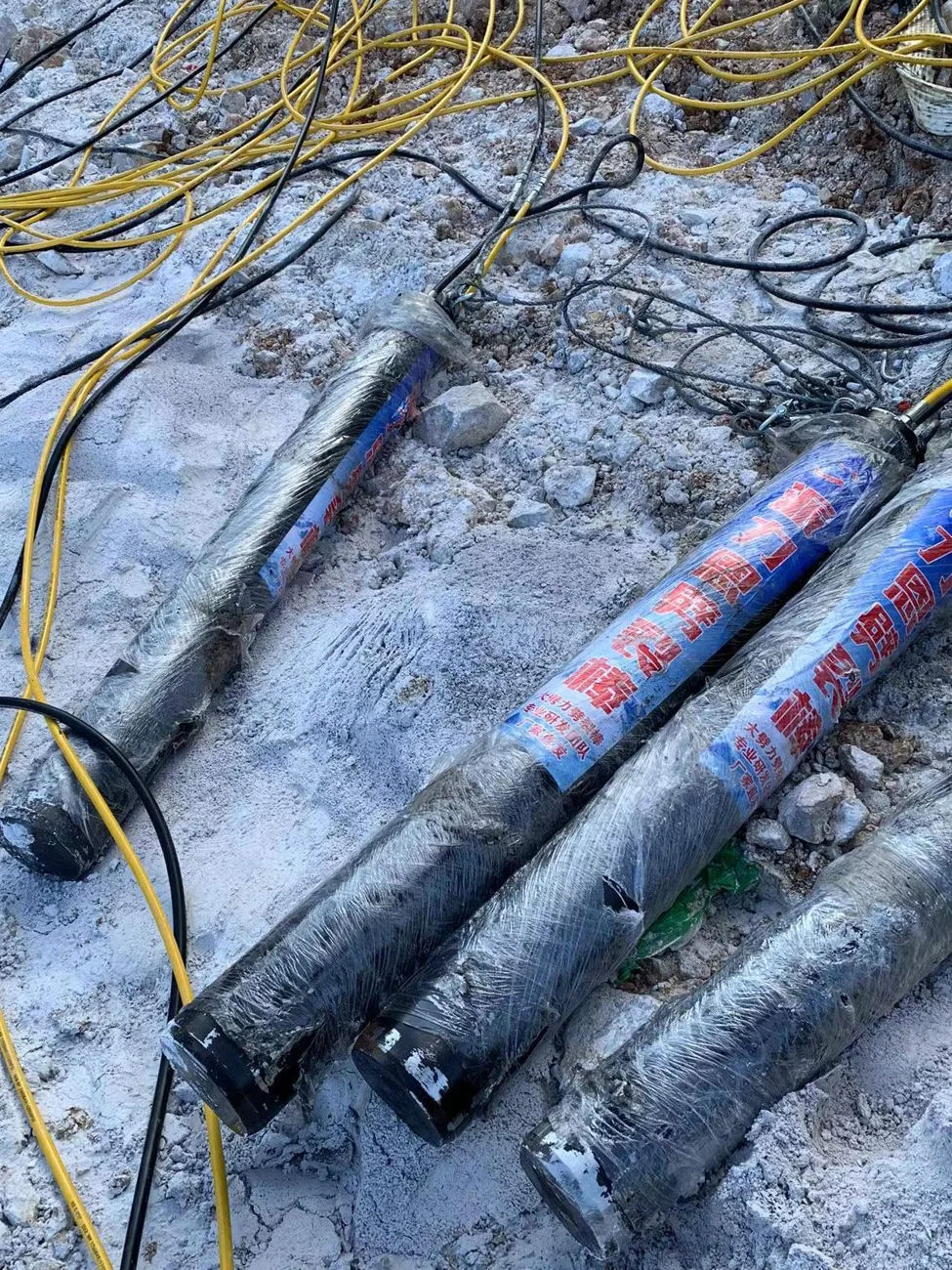
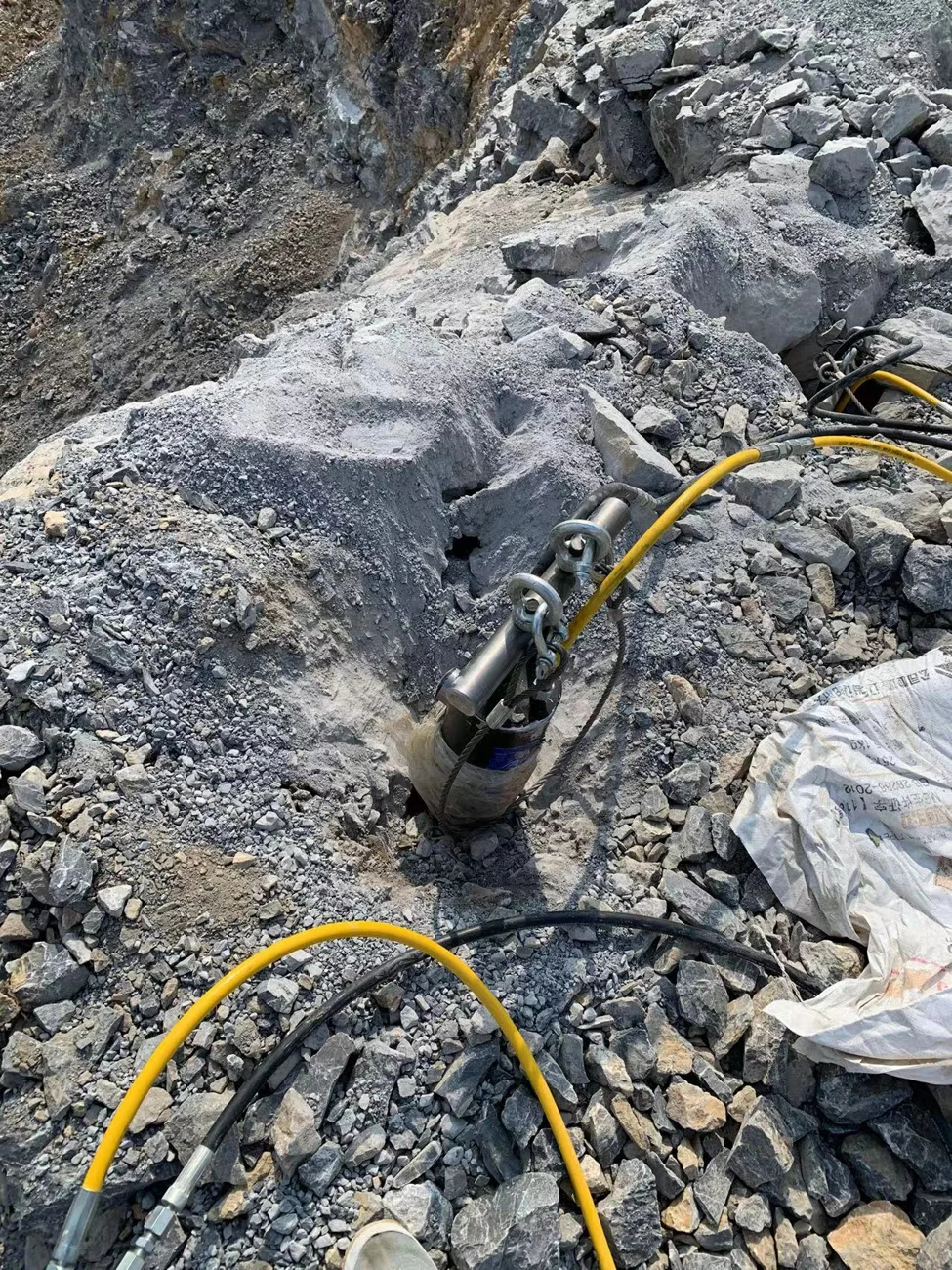
Plan the drilling, lifting and loading together
The rod is one part of a rock removal system. When the drill, lifting equipment and loader have to share a narrow work area, their positions can determine how much rock the crew can clear. Walk the site with the people who will operate each machine and compare the space available with the equipment dimensions and reach.
Match the hole to the rod
Tell us which drill and bits you already have and which bore diameters you can produce consistently. We can confirm the bore depth, tolerances, and clearance required for the selected model before you prepare the holes. If the same project includes sound rock and heavily jointed material, record those areas separately. The drill may produce a clean hole in one area and an irregular hole in another.
Plan for the pieces you need to move
Define the largest piece the available loader or lifting equipment can handle under the actual site conditions. In a quarry, the target may be a block that can be moved intact for processing. In an excavation, the target may be smaller fragments that can leave through a narrow access route. Use that target when reviewing trial results with the crew.
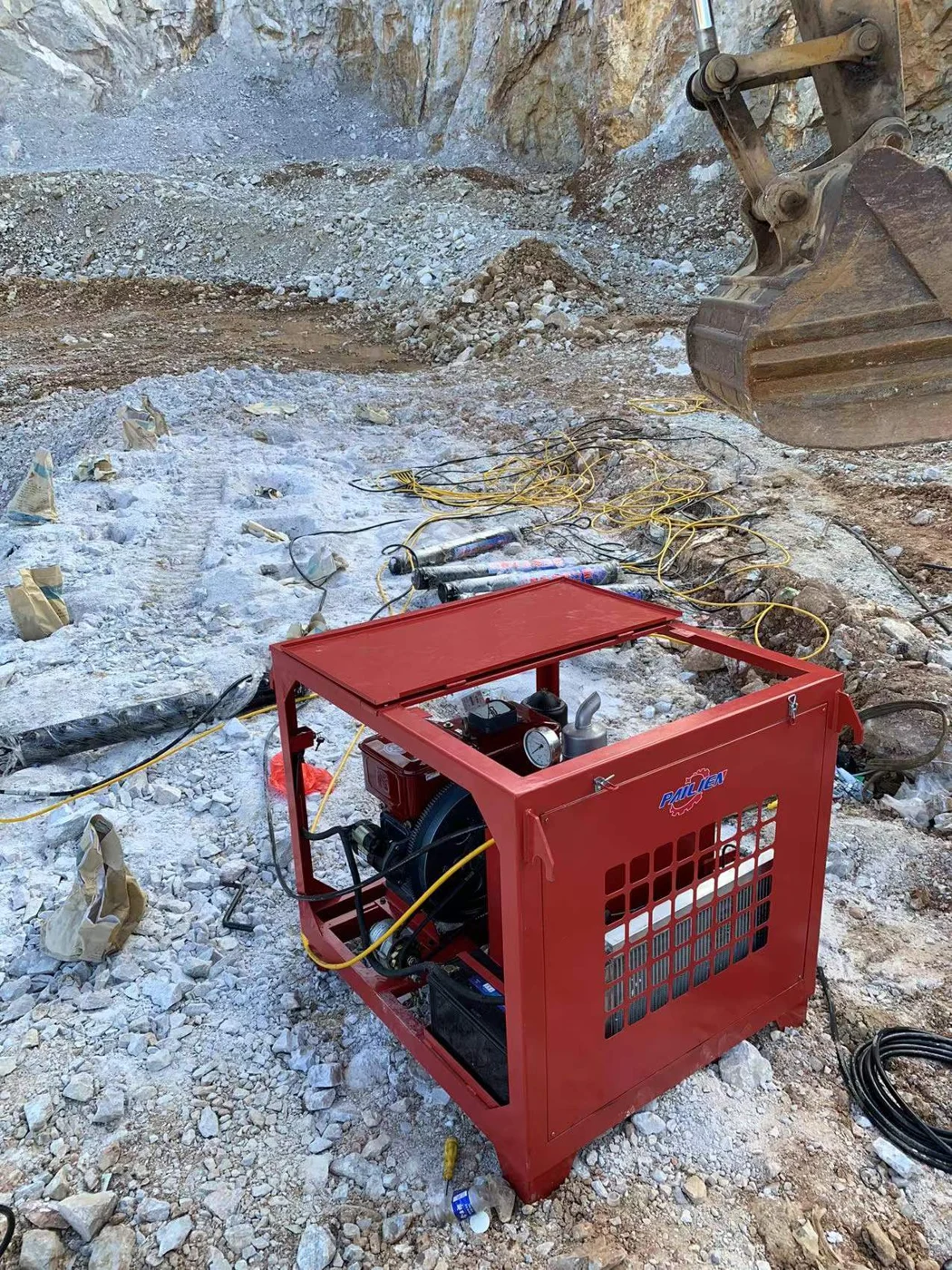
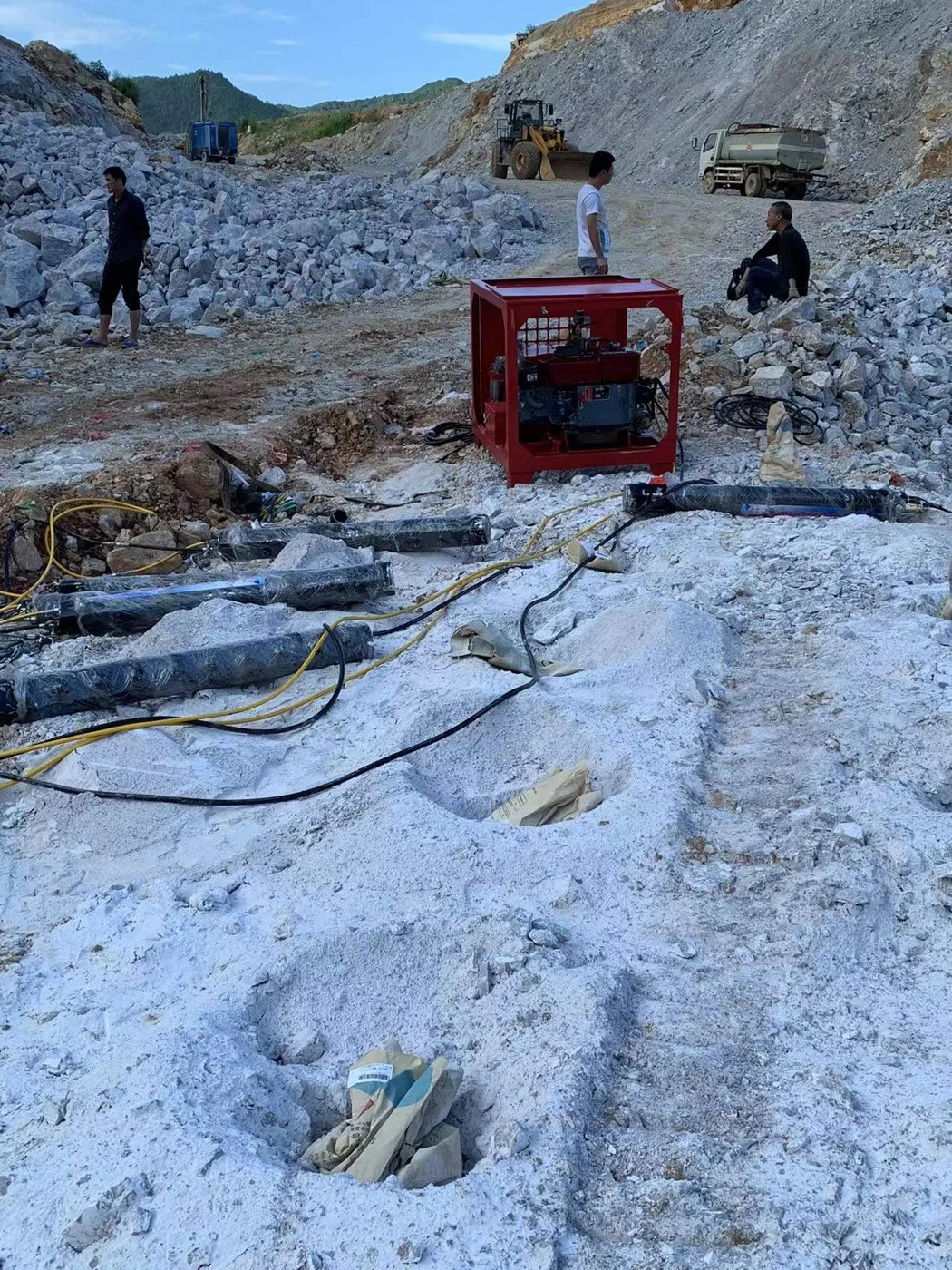
Measure output during a site trial
Choose a section that reflects the rock, access and target fragment size of the job. A boulder with several exposed faces and a confined foundation cut can split differently, even when the rock type is similar.
Record drilling and fit
Record the actual bore diameter, depth and drilling time. Check whether the rod seats consistently and can be removed after splitting. Include any time spent clearing cuttings or repositioning the drill.
Check the split
Record how far the fracture travels, whether the section separates and what size pieces are left. Confirm that the crew can move those pieces with the lifting or loading equipment available on site.
Time the full cycle
Include drilling, handling the rod, splitting and clearing the rock. Measure the volume removed and use the complete cycle to estimate output per shift.
Specify the hydraulic package before ordering
Tell us your bore diameter, available site power, the distance from the power pack to the work face, and how many splitting rods you need to operate at once. We will use those details to recommend the rod model, hydraulic power pack, and hose configuration. We will itemize the equipment and accessories in your quote for review before you order.
Confirm the electrical supply
If you need an electric power pack, tell us the voltage, phase, and frequency available on site. If you plan to use a generator, include its rated output and any other equipment it will power. We will check the motor鈥檚 starting requirements against the available capacity.
Plan where a diesel pack will sit
For outdoor jobs with limited electrical access, tell us where the pack will sit, how often you need to move it, and any access constraints. We will use those details to recommend a diesel power pack. Allow space around the unit for operation, servicing, and refueling.
Review the hose and control layout
Send us the planned hose route from the power pack to the work face, along with the number of rods you need to connect and operate at once. We will check hose lengths, couplings, and controls and list them in your quote.
Identify service parts by model
We can provide a parts list and maintenance instructions for the selected rod and power pack and confirm which seals, couplings, and other spares can ship with the equipment. For future parts orders, send us the equipment model and serial number.
Rock splitting rod FAQ
What hole size does a splitting rod need?
The listed diameters are 90, 110, 130, 150 and 180 mm, depending on model. Confirm the specified bore depth and any tolerances for the rod you order.
Does the splitting rod drill its own hole?
A separate drill makes the hole before the rod is inserted. Include the drill, bit, handling equipment and power pack when planning a complete setup.
Can one power pack supply more than one rod?
Capacity depends on the power pack, manifold, and rod models. Tell us which rods you plan to use and how you will sequence the work. We can confirm how many rods the proposed configuration can connect and how many can operate at the same time.
Will a larger rod improve output?
Compare complete work cycles in similar rock. A larger bore takes a compatible drill, and a heavier rod can take longer to handle. The amount of rock the crew can clear also affects shift output.
What comes with the rod package?
Our quote lists the rod models and quantities, power pack, hoses, couplings, controls, and any spares included in the proposed package. We will confirm whether drilling or lifting equipment is quoted separately.
Request a splitting rod quote
Share the rock type, site photos, required fragment size, drilling capacity and available power. Include the equipment you will use to position the rod and remove the rock.