
Excavator-Mounted Hydraulic Rock Splitter
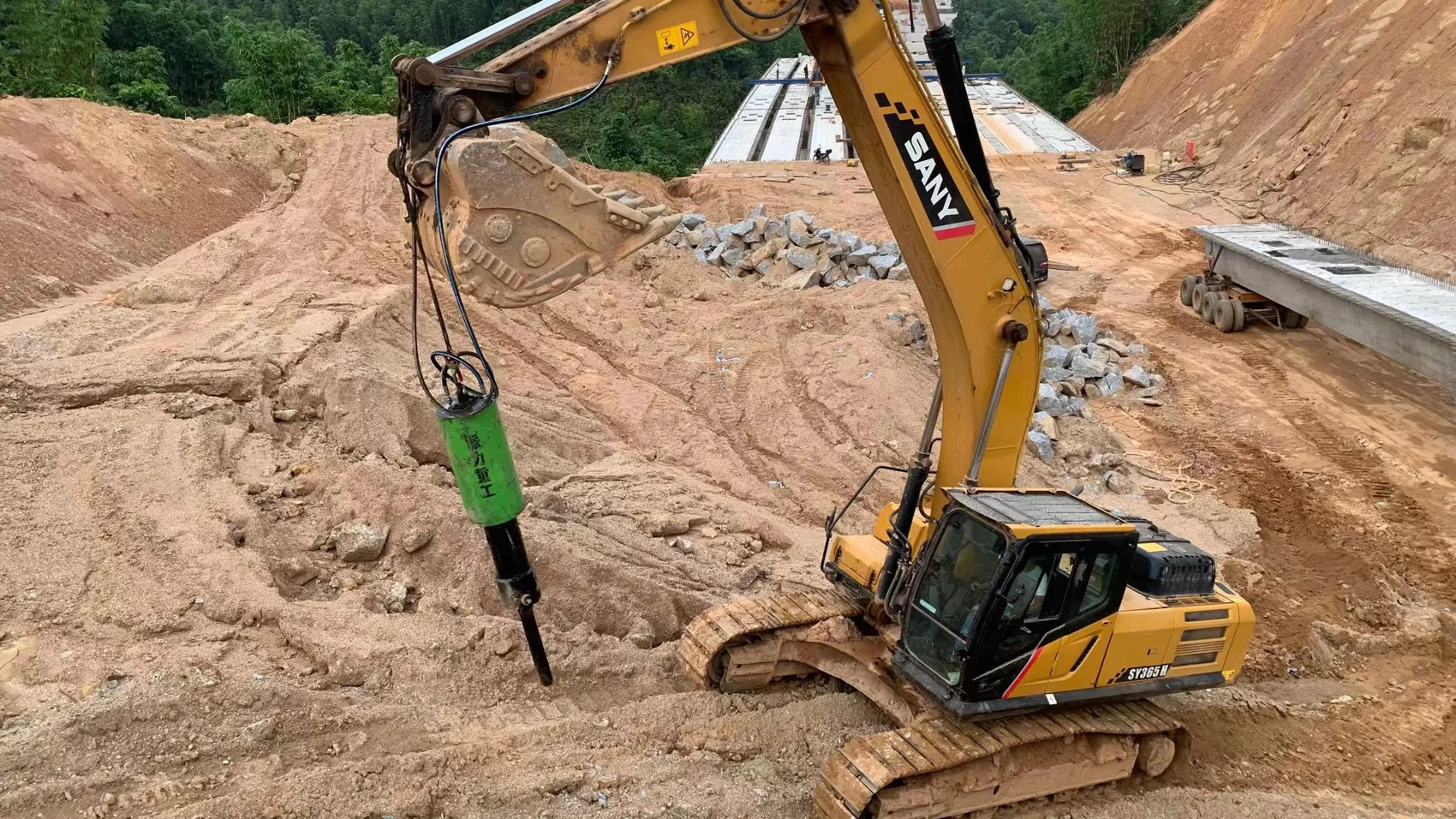
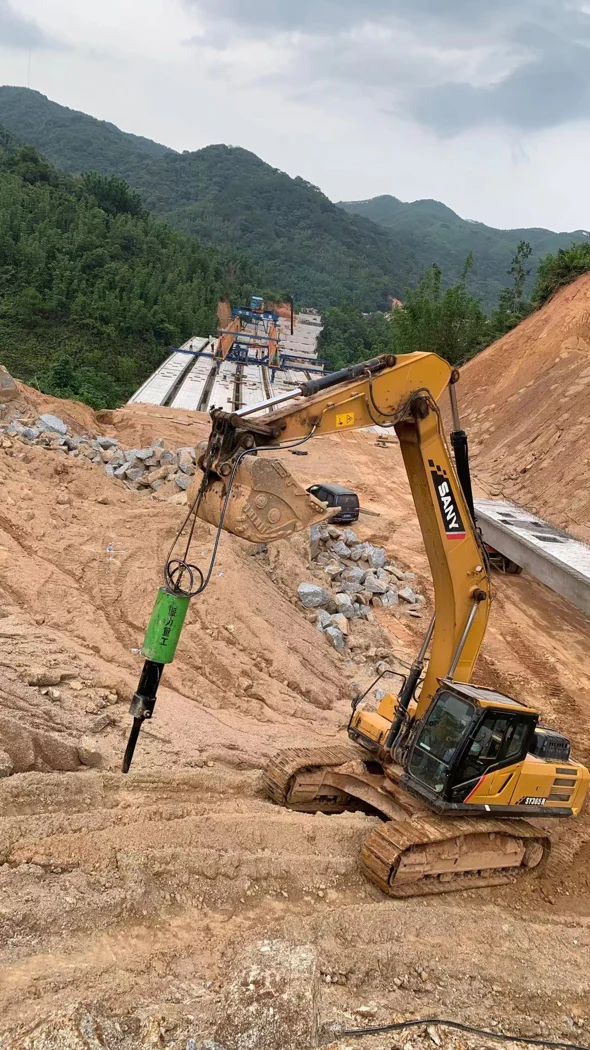
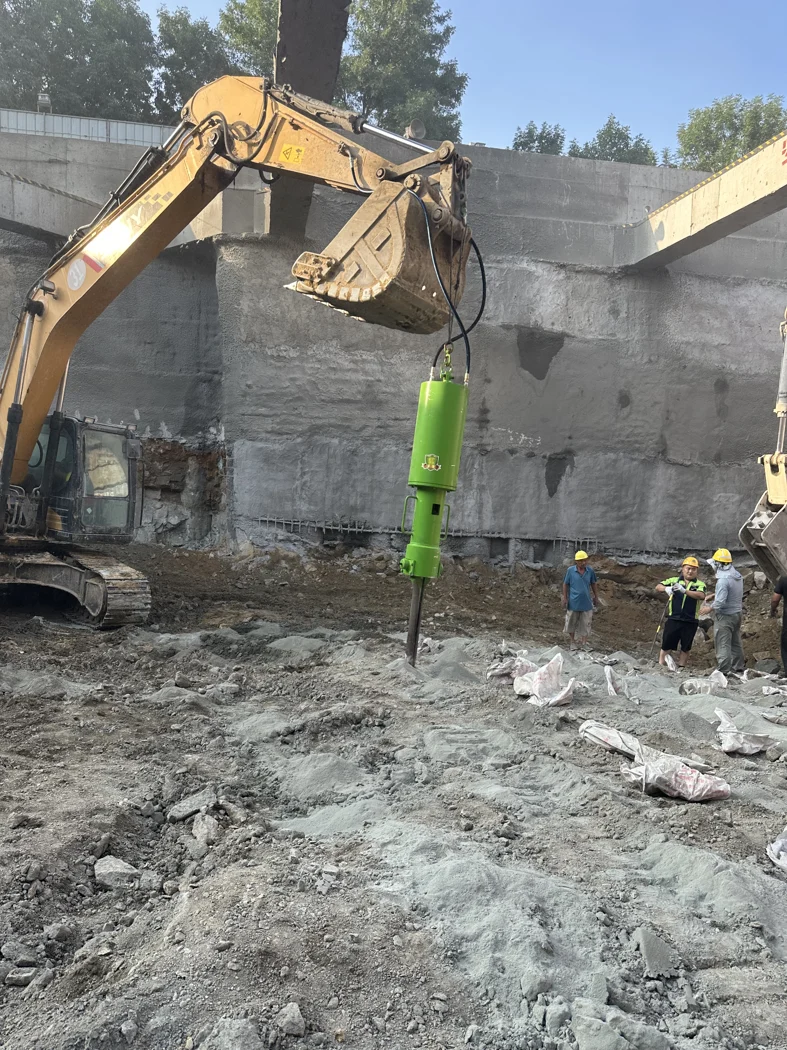
- Excavator boom positions the splitter at the borehole
- Hydraulic rock splitting without explosives
- Excavator hydraulics or a separate power pack
PLE-320 specifications
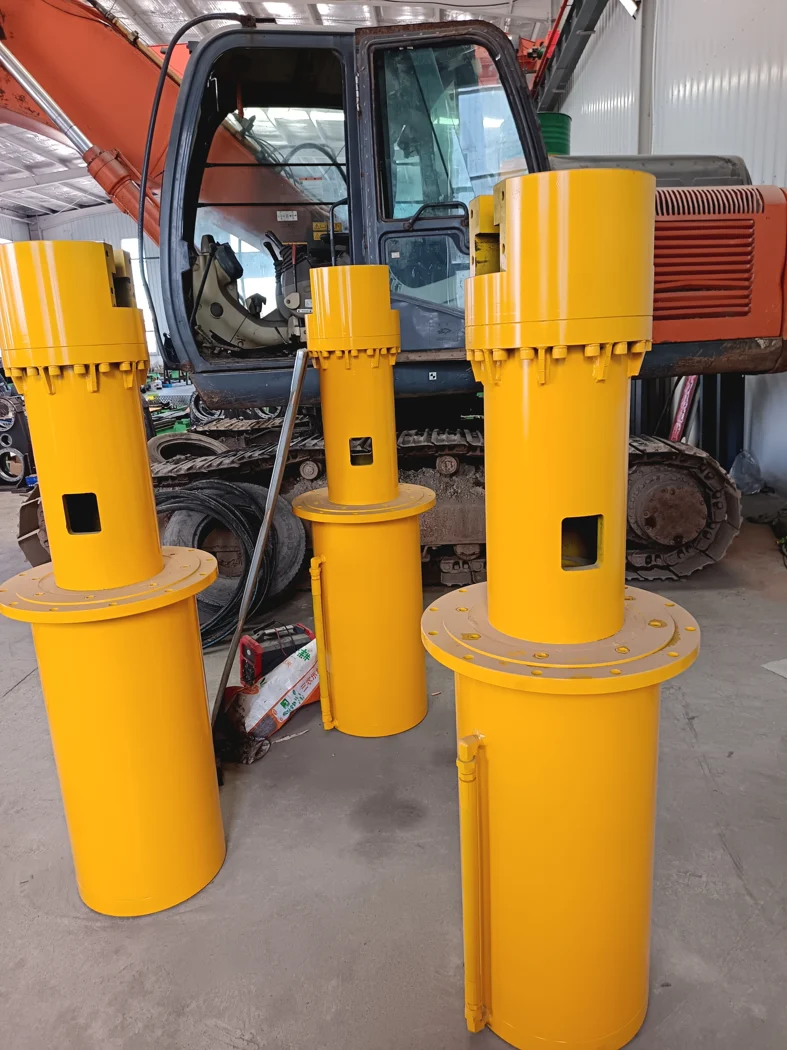
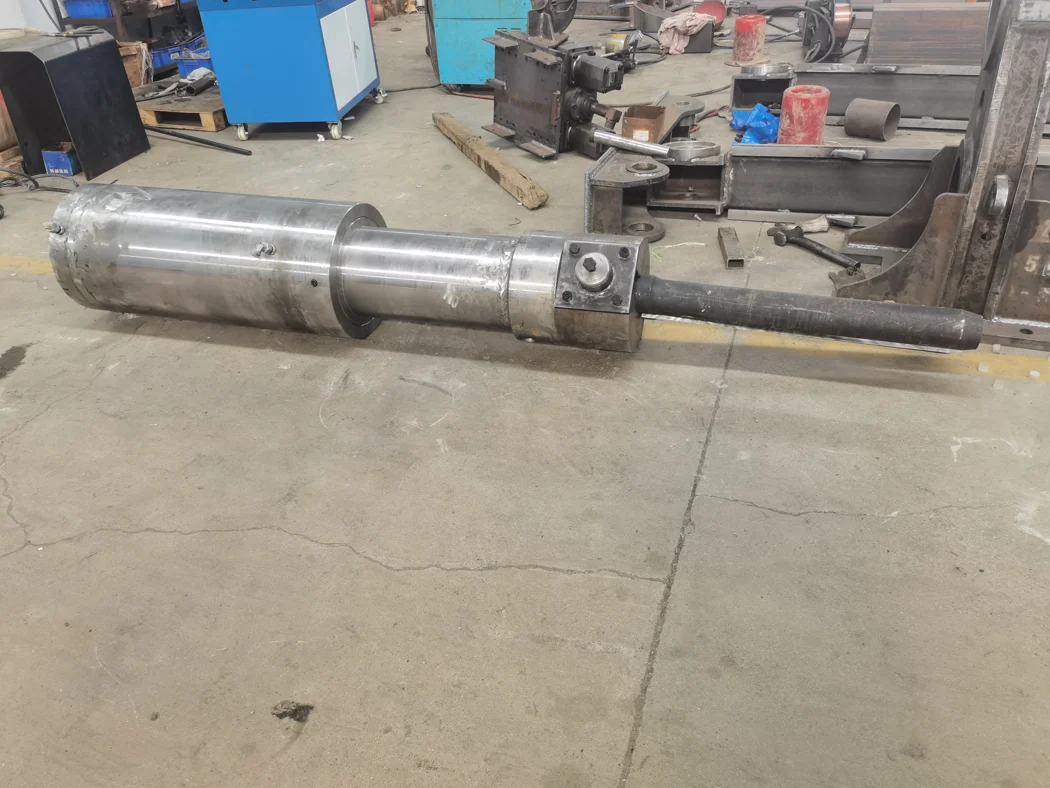
The PAILIEN PLE-320 is an excavator-mounted hydraulic rock splitter for work where a separate drill prepares the holes. The excavator lifts and positions the attachment, and the splitter applies hydraulic force inside the borehole. Start with the required hole dimensions, then review the excavator and hydraulic supply as a complete setup.
- Drilling diameter
- 110 mm
- Drilling depth
- 1,500 mm
- Splitter weight
- 880 kg
- Theoretical splitting force
- 5,000–5,500 t
Actual fragmentation and output depend on rock conditions, the exposed face and the rate at which split rock can be cleared. Share your excavator model and mounting details so PAILIEN can check the mounting hardware, total installed weight and hydraulic requirements.
Hydraulic supply options
The PLE-320 can be configured for a compatible excavator hydraulic supply or a separate hydraulic power pack. PAILIEN reviews the carrier and site details before specifying the circuit, hoses and controls for the quote.
Excavator hydraulic supply
Share the excavator make and model, available auxiliary flow and pressure, return circuit details and control arrangement. Include the coupler or pin dimensions and any other attachment hardware. The excavator model helps identify the circuit, and the available pressure and flow determine whether it can supply the selected splitter configuration.
Separate hydraulic power pack
Tell us what power is available on site and where the pack can be positioned in relation to the work face. Allow room for the hoses to follow the attachment through the required working positions. The excavator still carries and positions the splitter, so mounting geometry and capacity at the intended reach remain part of the selection.
Drilling, splitting and clearing
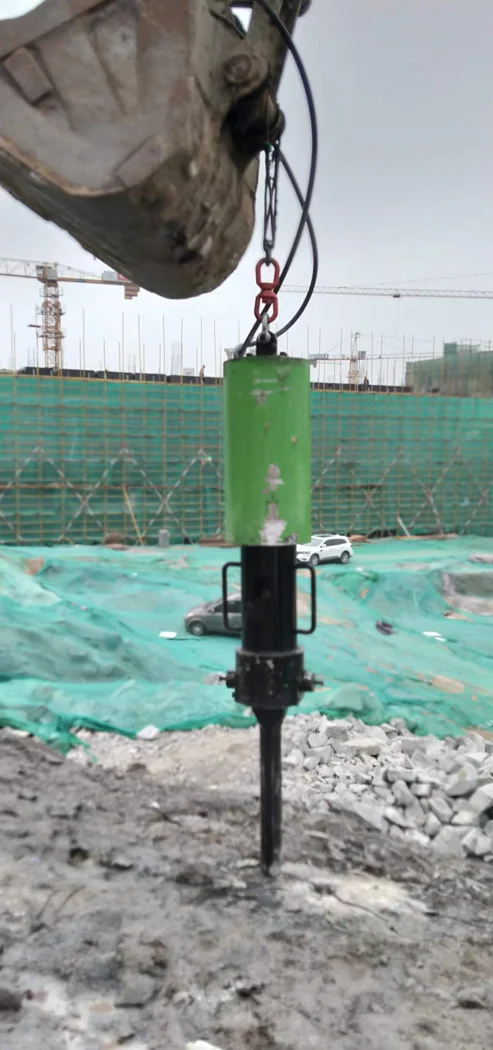
On a site with a separate rock drill, the drilling and splitting stages can be planned around the same work face. The excavator must be able to reach the holes with the splitter aligned, and separated material needs a clear route to loading or stockpiling.
Prepare the boreholes
Match the drill tooling to the PLE-320 bore dimensions and check access for the drill rig. Hole positioning depends on the exposed face, natural joints and the block size the crew needs to remove.
Position the splitter
The operator uses the boom to bring the splitter into alignment with the prepared borehole. The wedge assembly applies lateral force against the bore wall, helping open a fracture toward an exposed face.
Clear the separated rock
Once the section separates, the crew clears it with the planned handling equipment. Track any secondary breaking and repositioning when comparing the time needed to complete each section.
Rock excavation applications
Foundation and site excavation
Consider the attachment where a rock layer limits excavation depth and the excavator can reach the planned holes. Review the working radius at the edge and bottom of the cut, along with the route for removing separated blocks.
Quarry benches and rock faces
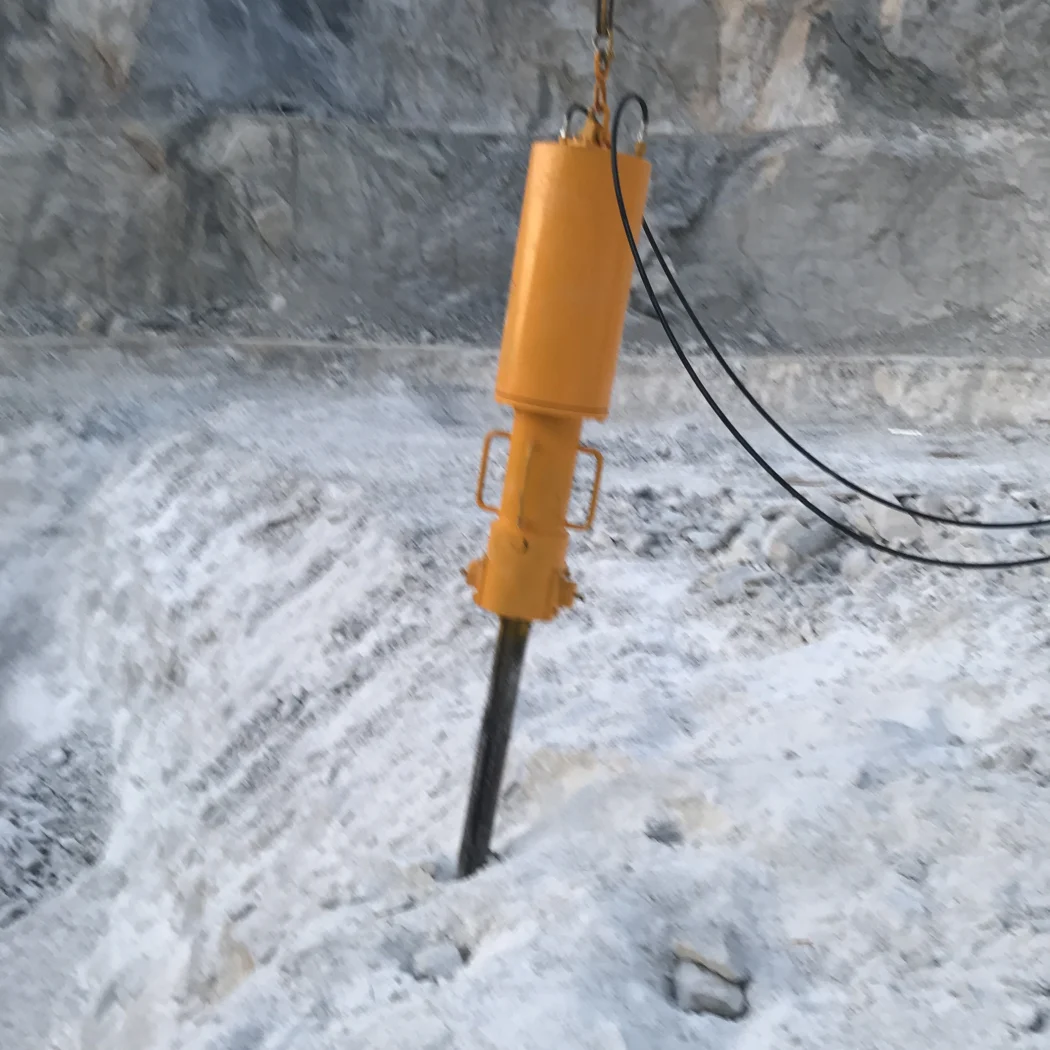
Where the bench provides access for separate drilling and splitting equipment, plan the sequence so both machines can move between positions. Natural joints and the shape of the face affect the size of the blocks released.
Oversize boulders
Check the drilling surface, boulder geometry and available working space. Set the target fragment size based on the loader, truck or downstream processing equipment that will handle the rock.
Sites with blasting restrictions
Hydraulic splitting uses no explosives. Review the impact of borehole drilling, excavator movement and fragment handling when planning work near structures or other occupied areas.
Excavator fit and site trials
Review the excavator’s capacity at the working reach and height, including the splitter, coupler and mounting hardware. Share a photo or drawing of the work face if the attachment will reach across a trench, down into a cut or under an obstruction. Use the splitter weight as a starting point when checking carrier capacity.
Check reach and clearance
Provide the boom and stick configuration, mounting dimensions and the height and location of the holes. Allow space to move the attachment from one position to the next and to route hoses through its working range.
Measure the full work cycle
On a representative section, record the time for drilling, excavator positioning, splitting and clearing. Compare the quantity of rock actually removed and note any delays from shared access, secondary breaking or moving support equipment.
Selecting an excavator rock splitter
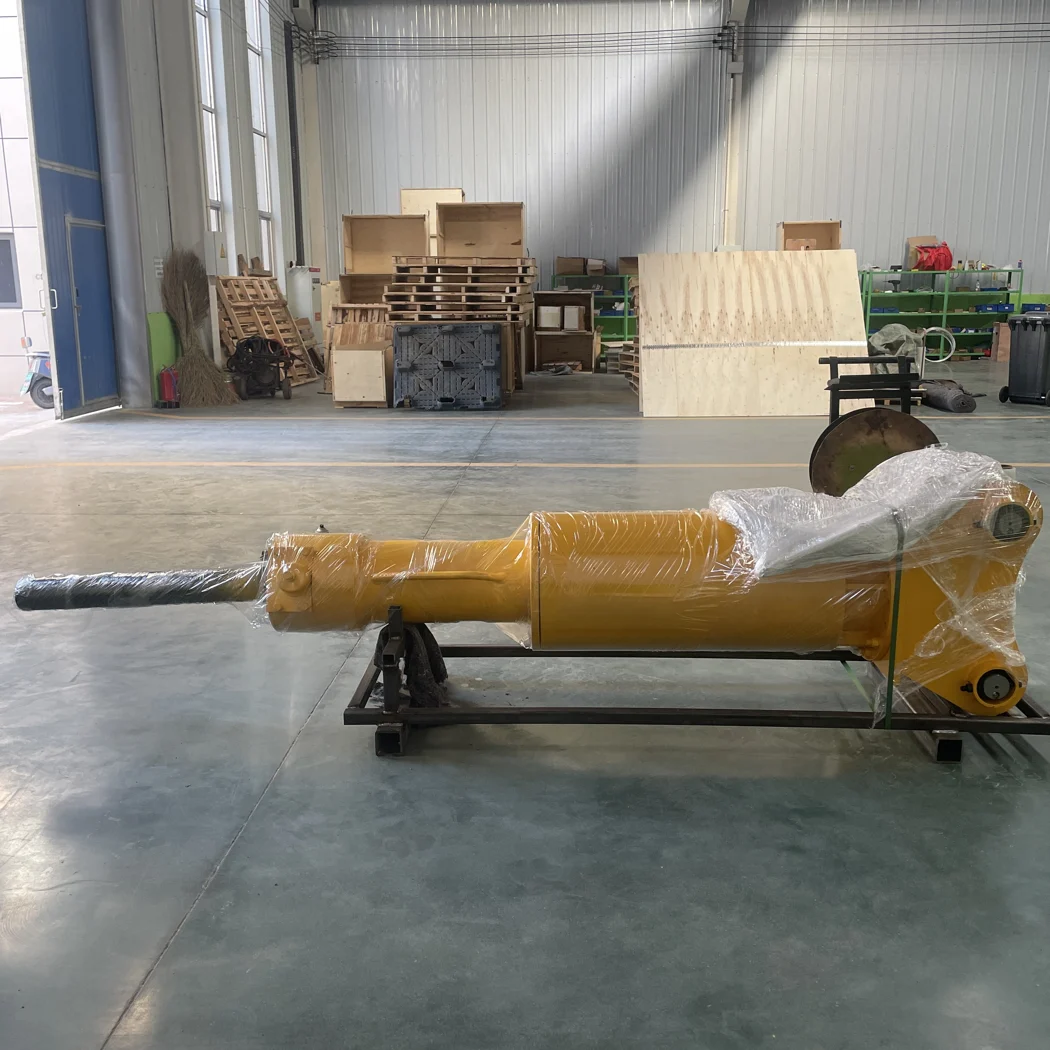
Start with the rock you need to remove and the equipment already available. A mounted splitter can fit a site where the drilling rig is already in place, the excavator has access to the work face, and the crew expects to repeat the drilling and splitting sequence across several sections. The package review brings together the bore size, the attachment mounting and the hydraulic supply so the drilling and splitting stages can be planned around the same equipment.
Match the drill to the work face
Send the drill make and model, the bit size and the depth the rig can reach at the intended working angle. A drill that can produce the specified diameter on level ground may need a different setup on a slope or near the edge of an excavation. Include a sketch of the areas with the least clearance so both the drill and the excavator can be evaluated against the same site conditions.
Plan how to handle the fragments
Identify the largest pieces the available loader, excavator bucket or downstream crusher can handle. If material must pass through a narrow haul route or be loaded directly into trucks, include those constraints in the project description. The target fragment size helps define what the crew needs to achieve during a trial and how much secondary breaking to account for.
What to send with your inquiry
Send your excavator model, available auxiliary hydraulic flow and pressure, and coupler or pin dimensions. List the drill, loading equipment and hydraulic power pack you already have on site. Include the planned bore diameter and depth, available electrical supply, and any mounting hardware, hoses, controls or spares you need. PAILIEN will use these details to check the hydraulic supply options and recommend a package.
Use the trial to estimate shift output
Record how many holes were drilled, how often the excavator needed to move, and how much rock the crew cleared. Note where changes in the rock or access slowed the cycle. If the project includes several rock conditions, compare representative sections before using a trial result to plan the rest of the job.
Excavator rock splitter FAQ
Does the PLE-320 drill its own holes?
A separate rock drill prepares the holes. The PLE-320 is the hydraulic splitting attachment for the next stage.
What hole size does the PLE-320 require?
The PLE-320 requires a bore diameter of 110 mm and a drilling depth of 1,500 mm. Share the sizes your drill can produce when requesting a configuration.
Can it run from my excavator’s hydraulics?
PAILIEN can review the available auxiliary circuit against the proposed configuration. Provide the excavator make and model, auxiliary flow and pressure, and return circuit details.
Can I estimate shift output from theoretical splitting force?
Estimate shift output from a site trial. Include drilling, repositioning, splitting and loading, and measure the rock cleared over the entire cycle.
What is included in a quote?
The quote identifies the selected splitter, mounting hardware, hydraulic supply arrangement and any hoses, controls or spares included in the package.
Request a PLE-320 quote
Send your excavator model, auxiliary hydraulic specifications, planned hole dimensions and site photos. Include the required reach and the fragment size you need to handle.