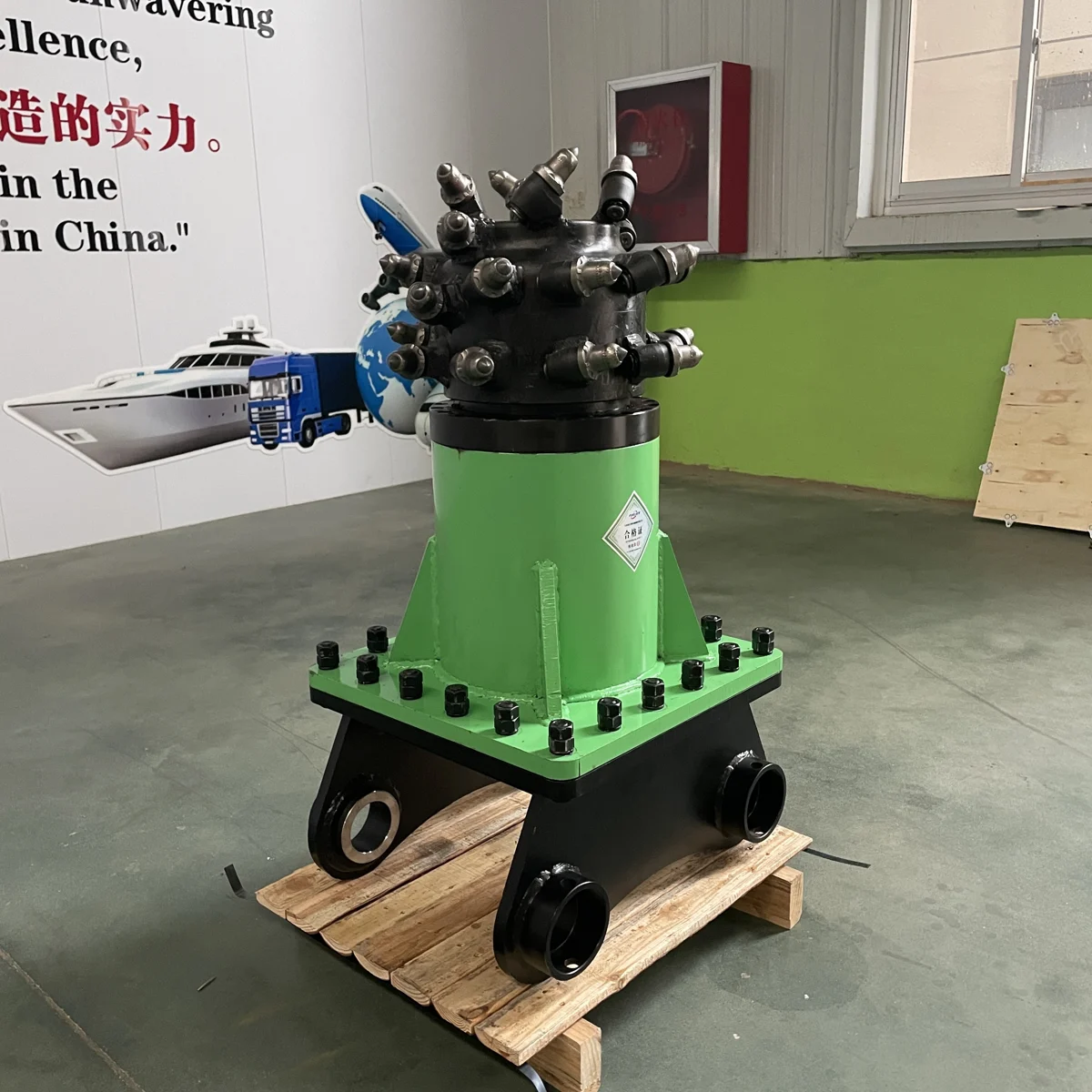
Excavator Drum Cutters
- Rotary cutting for rock and concrete
- Profile trench walls, slopes and tunnel surfaces
- Remove material in controlled passes
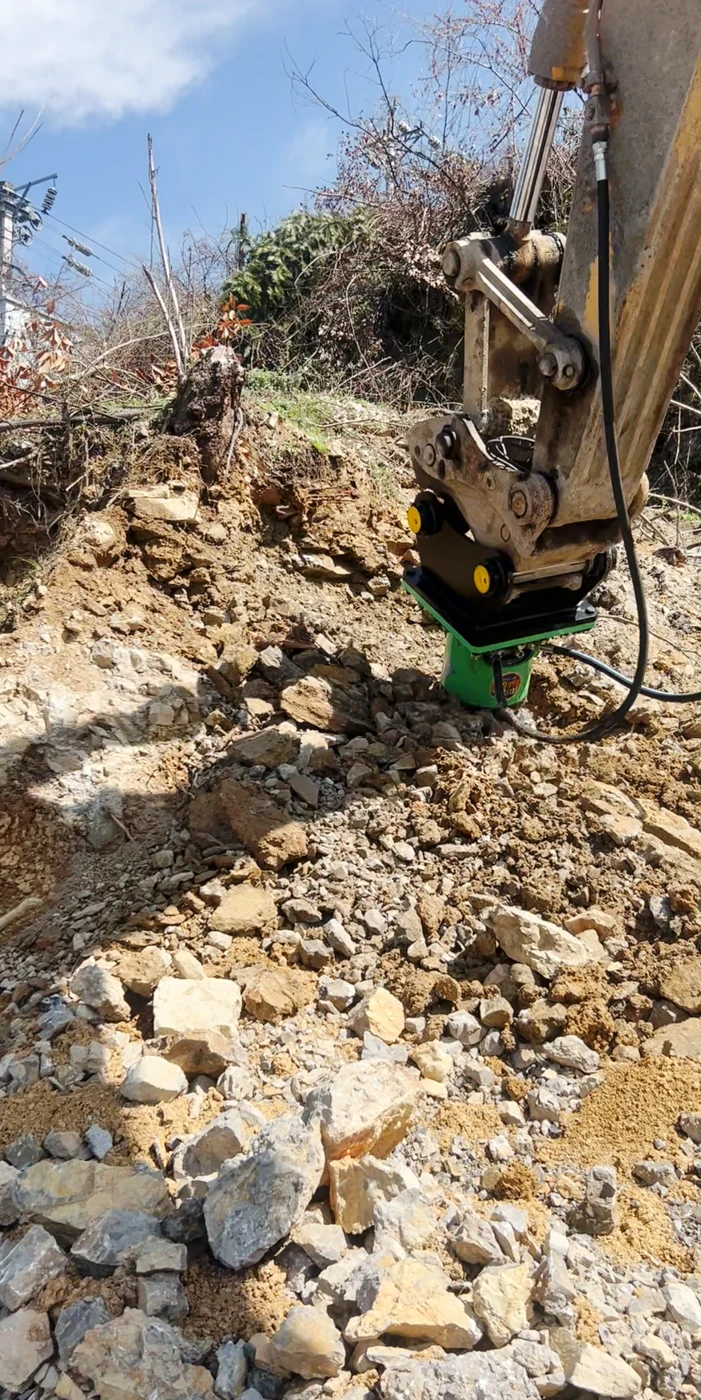
Drum cutter options
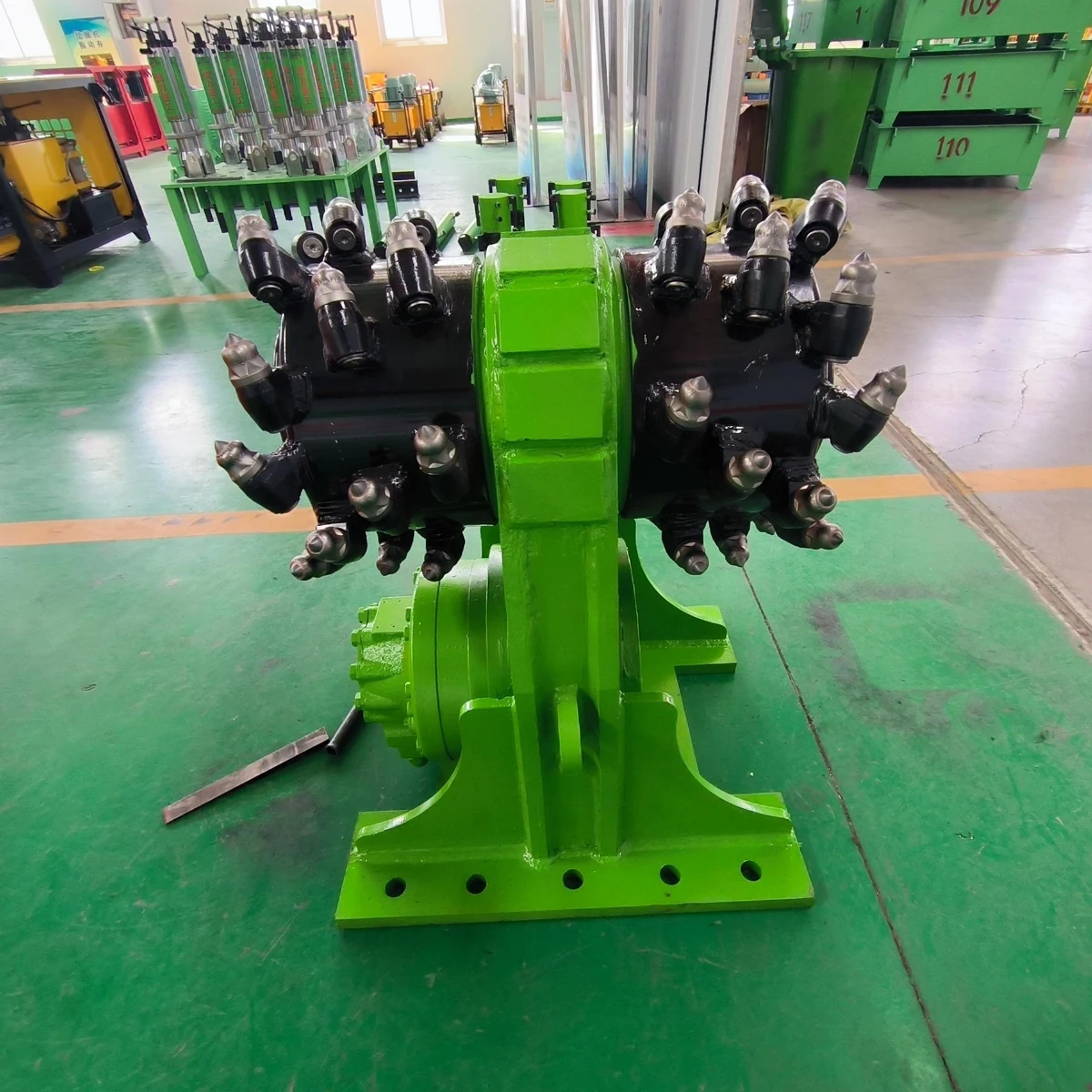
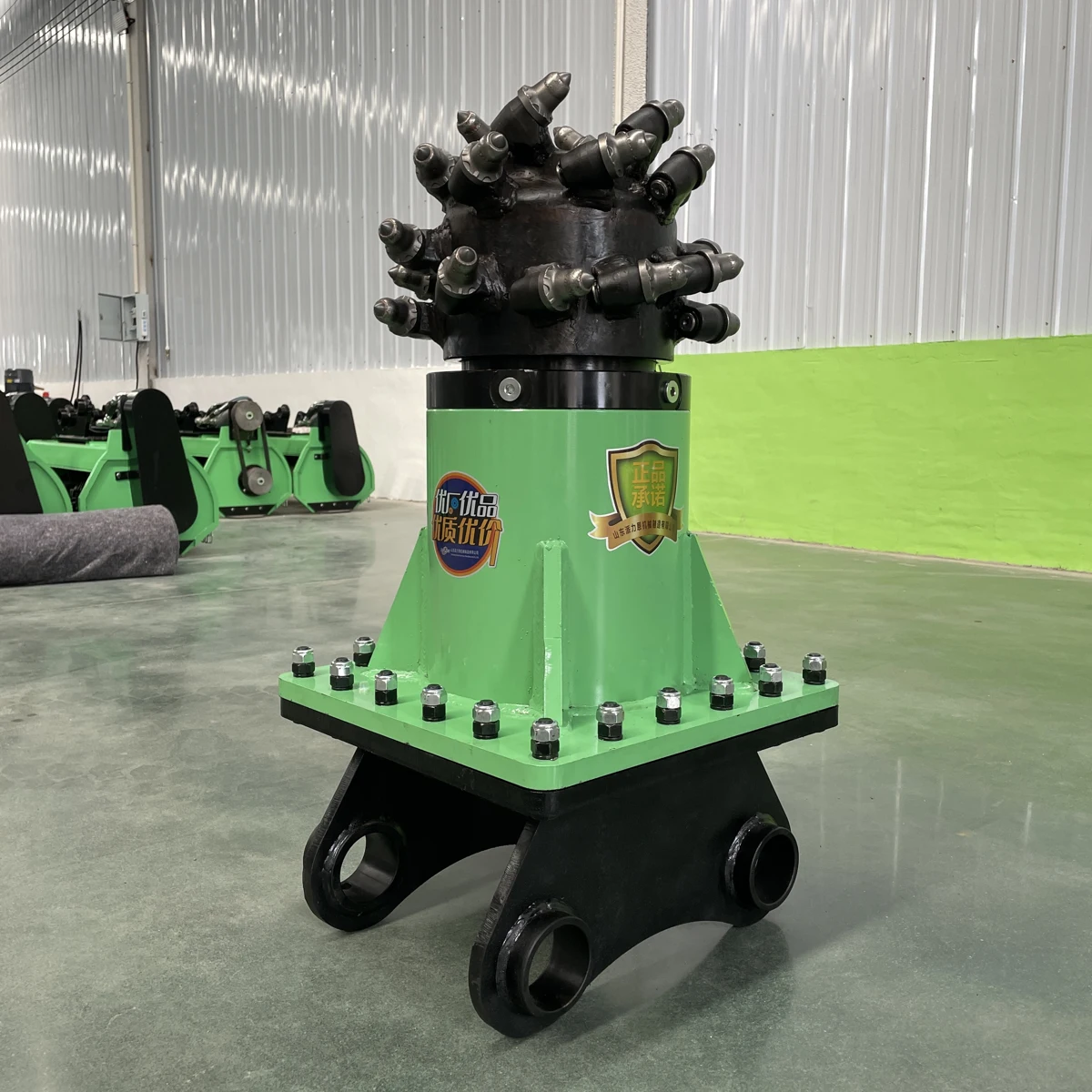
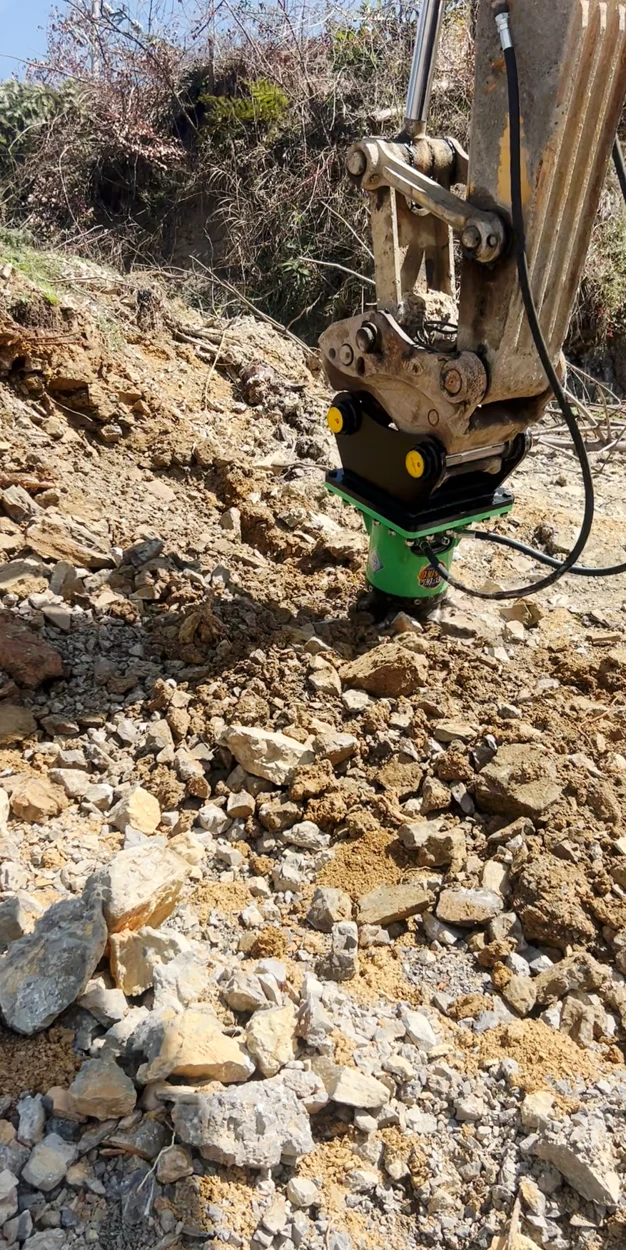
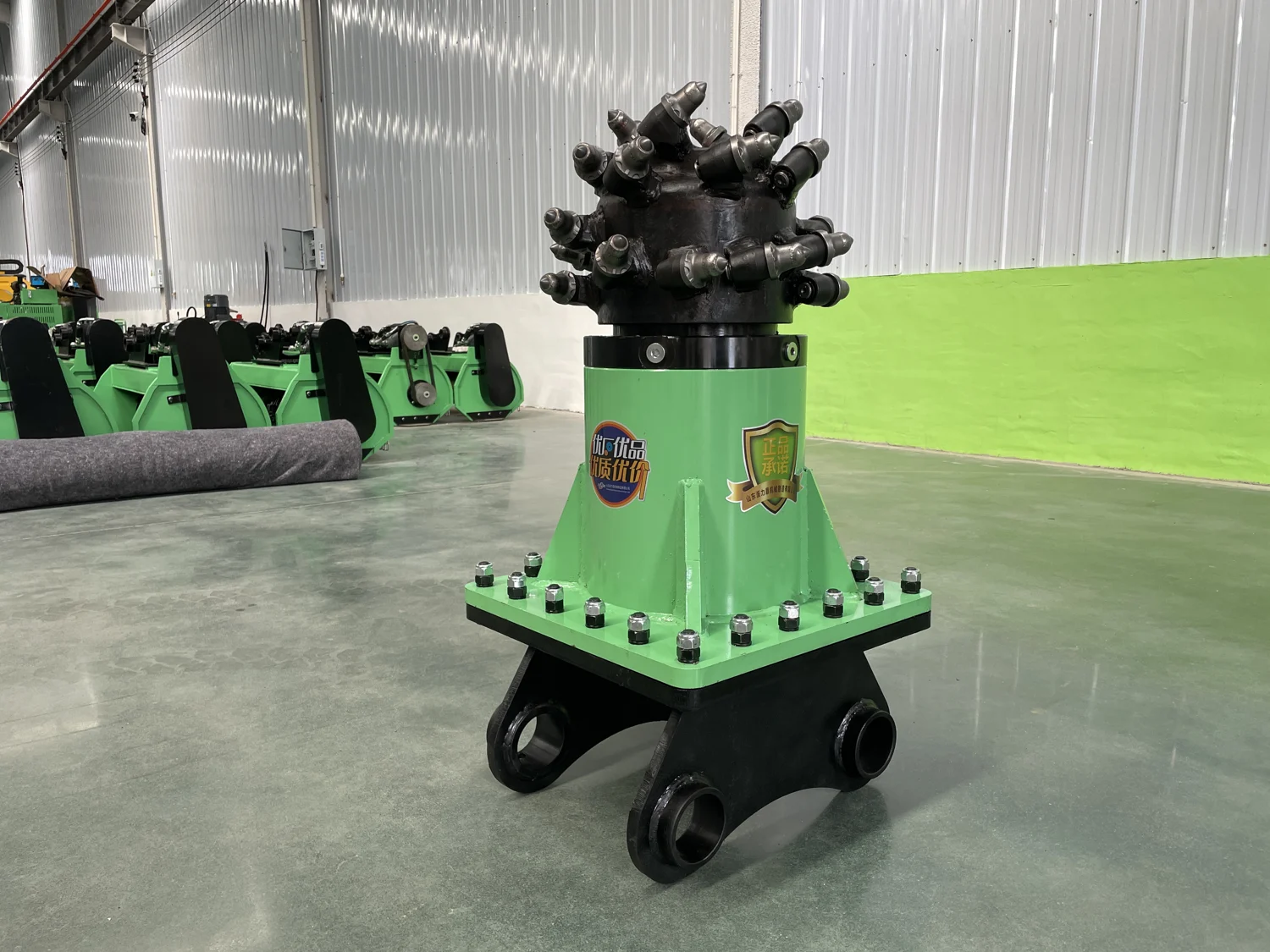
An excavator drum cutter is a hydraulic attachment that removes material with rotating cutting picks. A transverse head places its cutting drums across the attachment, which helps the operator work along a broad surface. An axial head places the cutter along the attachment axis for access to narrower cuts and edges. Start with the shape and width of the cut, then check the excavator and hydraulic circuit.
Transverse drum cutters
Consider a transverse head for tunnel profiling, slope trimming and other jobs where the cutter can sweep across the work face. Check the overall head width, working clearance, and the path the boom will follow as the operator moves from one pass to the next.
Axial cutter heads
Consider an axial head for a narrow slot, an inside corner or localized trimming. Share the finished width and depth so PAILIEN can verify the available head configuration and the space needed to position it.
What jobs can a drum cutter help you finish?
Correct underbreak in tunnels
Protruding rock on a tunnel wall or floor can reduce clearance or interfere with lining. A hydraulic drum cutter removes excess rock in controlled passes along the design profile. Crews can target local high spots and limit the area that needs further trimming.
Cut utility trenches to width
When rock prevents a bucket from digging to grade, use a cutter head to remove the rock before clearing the cuttings. An axial head can suit a narrow slot, while a transverse drum cutter can suit a wider trench. Check both the drum width and the clearance needed to maneuver the attachment.
Trim rock slopes to grade
Remove protruding rock in stages to bring a slope or foundation cut to the required grade. Where access tightens near an inside corner, choose a head that can reach the high spots while leaving room to move along the finished surface.
Remove damaged concrete or pavement
For local repairs, remove damaged material in layers to control the depth and leave a surface ready for the next stage. Establish the location of reinforcement, embedded items and layers that must remain before defining the cutting limits.
Match the cutter to your excavator
Excavator weight class is a starting point. Confirm the auxiliary hydraulic flow and pressure available at the attachment, the return circuit, the mounting interface and the total installed weight. Use the excavator’s capacity at the planned reach and height when reviewing the attachment and coupler together.
Check the hydraulic circuit under load
Share the excavator’s auxiliary circuit settings and whether the circuit is already configured for another attachment. Ask PAILIEN to confirm the required flow and pressure for the selected cutter and whether its motor needs a dedicated return or case drain. On jobs with long cutting passes, include sustained operation in the trial so the crew can assess how the circuit behaves as the hydraulic oil warms up.
Confirm the mount and working position
A coupler changes the installed weight and the distance between the stick and the cutting head. Include it when checking carrier capacity and draw the intended cutting positions on a site photo if possible. A setup that fits at ground level may have different clearance when the operator reaches up a slope or lowers the head into a trench. Checking the most restrictive position early helps avoid ordering a head the excavator cannot place where the job requires it.
| What to check | Information to provide | What it determines |
|---|---|---|
| Carrier and mount | Excavator make and model, coupler type or pin dimensions | Mounting compatibility and installed weight |
| Hydraulic supply | Available auxiliary flow, pressure and return circuit details | Suitable motor configuration and hose connections |
| Cut dimensions | Finished width, depth, reach and working angle | Head orientation, working width and clearance |
| Material and output | Rock type or concrete condition, volume and target finish | Pick selection and what to measure during a trial |
Evaluate cutting and pick wear
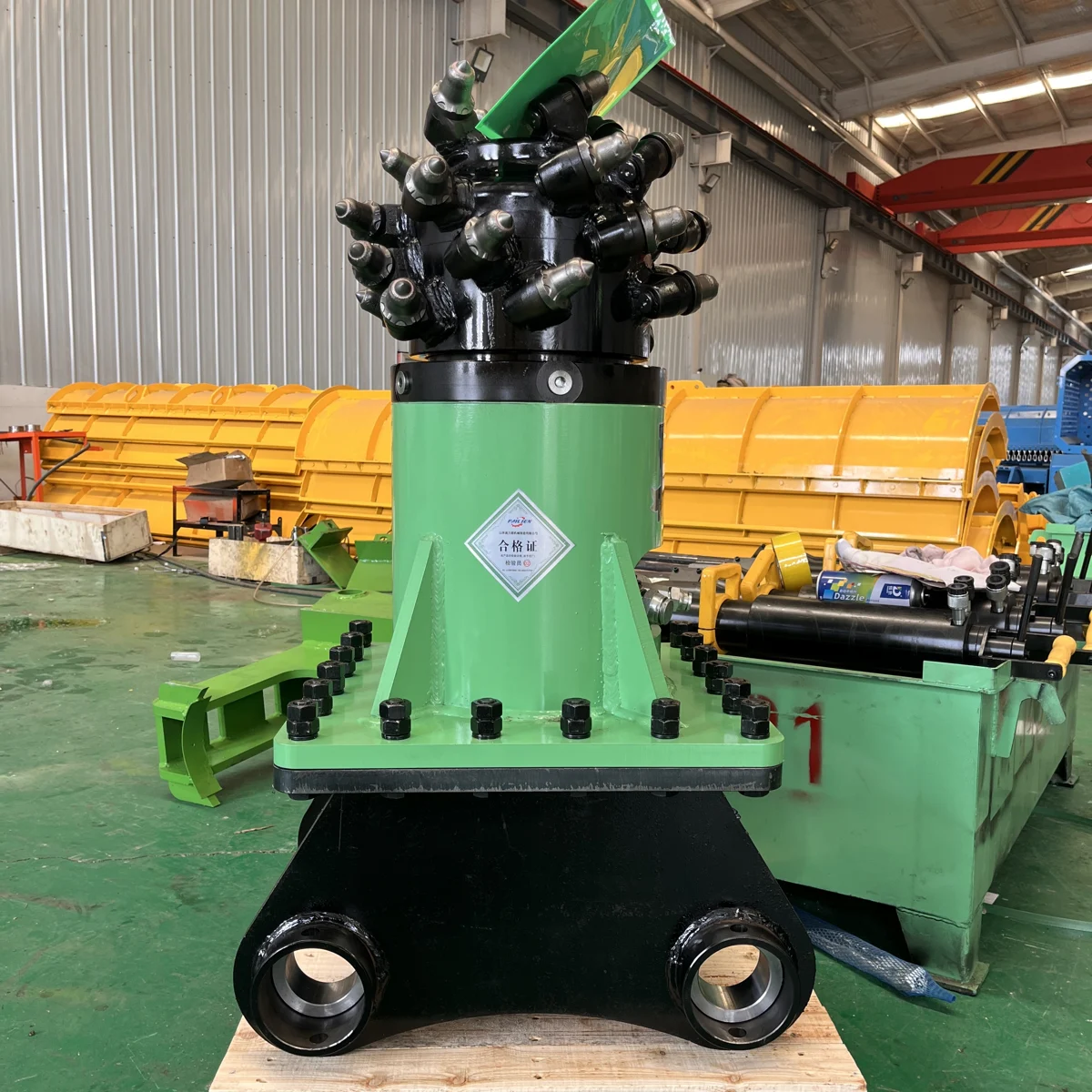
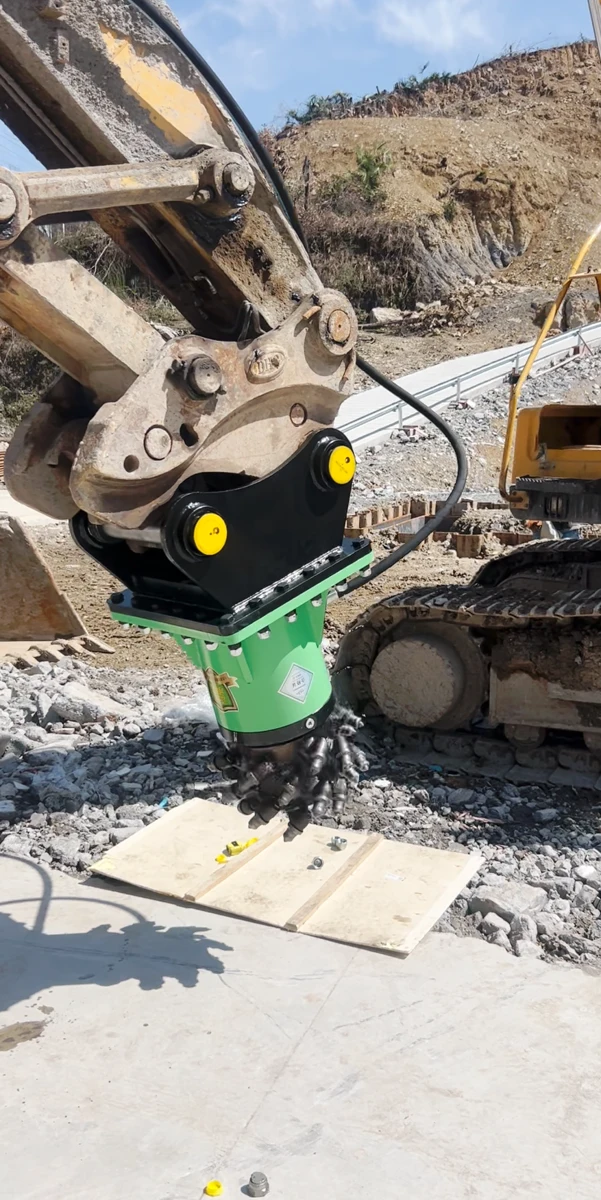
Rock strength, abrasiveness and fractures affect cutting speed and pick life. A trial in representative material gives a basis for comparing attachment options and estimating the time needed to finish the cut.
Define the finished profile
Record the cut dimensions and the finish needed for the next construction stage. Note where access is restricted or where the excavator must work at an angle.
Track the complete cycle
Measure time spent cutting, repositioning and clearing material. Record the finished area or volume and note how much material the crew still needs to remove.
Check wear and service access
Record pick wear during the trial. Confirm which picks and holders fit the selected configuration and what service access is needed for routine replacement.
Plan the cut before choosing an attachment
Start with the section of the job that is hardest to reach. In a tunnel, that might be the junction between the wall and floor. In a trench, it could be the narrowest stretch between obstructions. On a slope, the challenge may be a high spot that forces the excavator to work farther from the face. A photo with a reference dimension helps PAILIEN understand these limits and compare head orientations.
Compare the cut with the space available
The width of the cutting head helps determine the width of a pass. The overall attachment envelope also includes the housing and mounting connection. Check clearance through the excavator’s planned range of motion, especially when the operator needs to enter a recess and then turn the head to cut an adjacent face. A narrow drum can still need room for the rest of the attachment.
Describe changes in the material
Include photos or notes from several parts of the site if the job includes both weathered and intact rock. For concrete, describe the thickness and any known reinforcement. For mixed ground, identify which layers actually need cutting. These details help establish what the cutter needs to do and which materials should be represented in a trial.
Allow for material removal
Check where cuttings will collect and how they will leave the work area. If one excavator handles both cutting and loading, include time for changing attachments and clearing the cuttings in the work plan. Where a separate loader is available, confirm whether it can reach the face without blocking the excavator’s next pass. Assess the cuttings against the project’s fill requirements if reuse is planned.
Compare cost per finished area or volume
Record the finished square metres for surface trimming or the volume cleared for excavation. Include excavator time, pick consumption, repositioning and cleanup in the estimate. Compare trials against the same finish and scope. A fast cutting pass can still leave extra work if the operator needs another pass to reach grade or if the cuttings are slow to remove.
Drum cutter FAQ
Can I use the excavator’s existing auxiliary circuit?
Send the available flow, pressure and return circuit information. PAILIEN can check these values against the proposed motor and hose configuration.
Which head works for a narrow trench?
An axial head can be considered when clearance limits the cut. Provide the finished width and depth and any obstacles around the work area.
How can I estimate production in my rock?
Use a trial in representative material. Measure the cut completed, time for clearing material and wear on the picks over the full work cycle.
Can the attachment work underwater?
Underwater cutting requires a configuration approved for the intended depth and conditions. Include water depth and the duration of submersion when requesting a quote.
What if I am comparing a drum cutter with a hydraulic breaker?
Compare both methods on the finish the job requires and the time it takes to clear the material. A drum cutter can be useful when the crew needs to remove material in passes along a defined line or profile. For bulk removal in hard, abrasive rock, include pick wear and cutting time in the comparison. A representative trial helps establish whether the cutter fits the project.
What should I include when asking for replacement picks?
Provide the attachment model, photos of the picks and holders, and a description of the material being cut. PAILIEN can check which parts match the configuration and help identify the spares needed for the job. Include any unusual wear patterns so the team can review whether the issue is concentrated in one part of the drum.
Request a drum cutter quote
Tell us what you need to cut and the required width and depth. PAILIEN will recommend a cutter head based on the job and your excavator configuration.
- Excavator model and coupler or pin dimensions
- Auxiliary hydraulic flow and pressure
- Site photos, material type, and required cutting width and depth