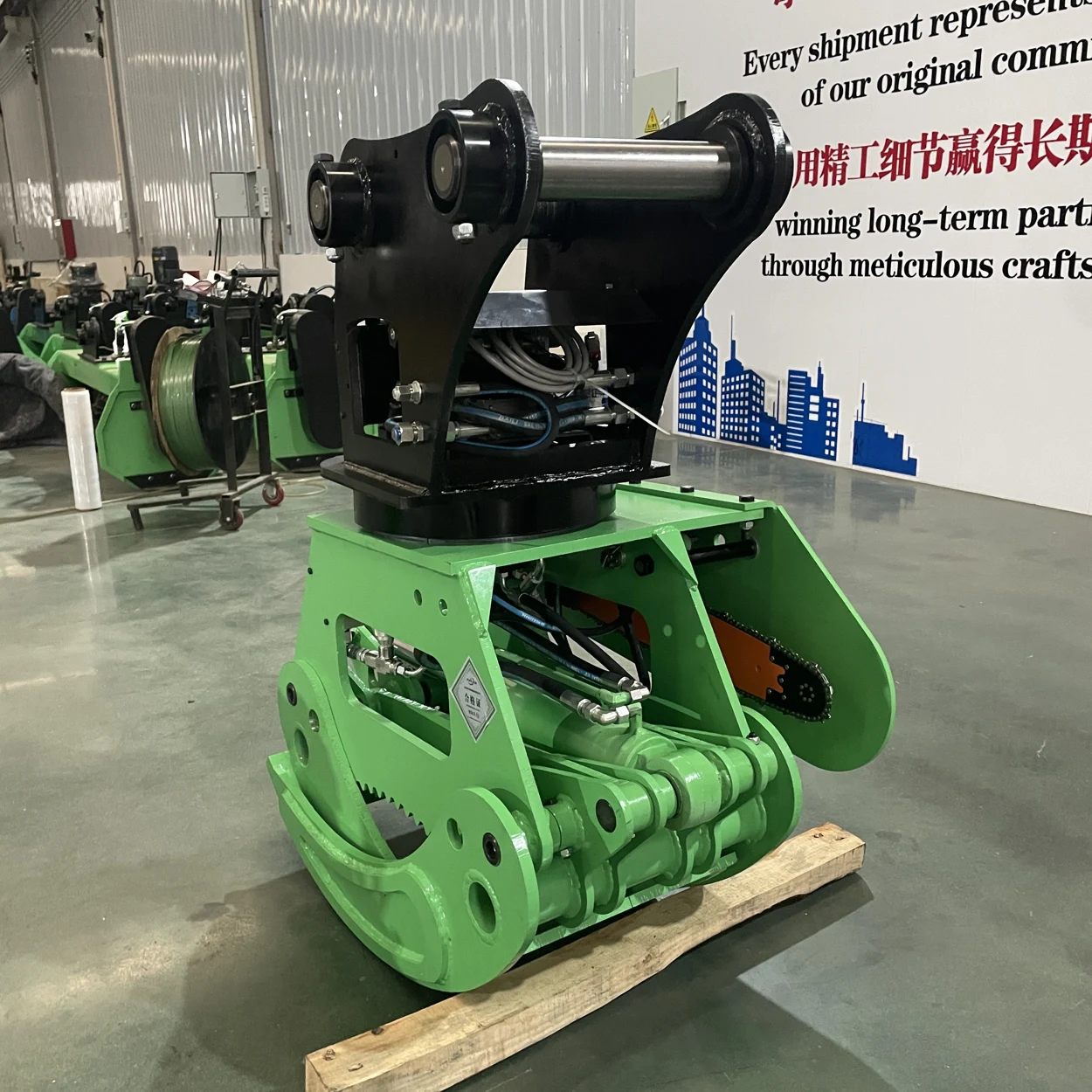
Excavator Grapple Saws
- Grip, cut, and handle timber with one attachment
- Place cut branches and logs where your crew can clear them
- Choose a grapple and saw configuration for your excavator
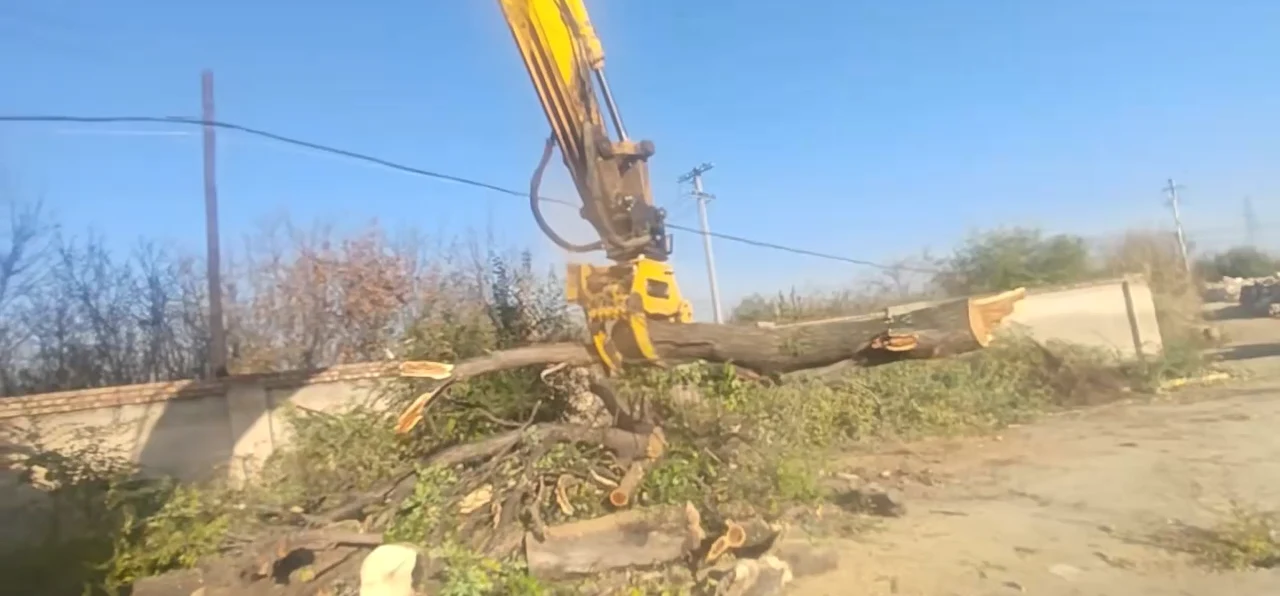
Hydraulic grapple saw configurations
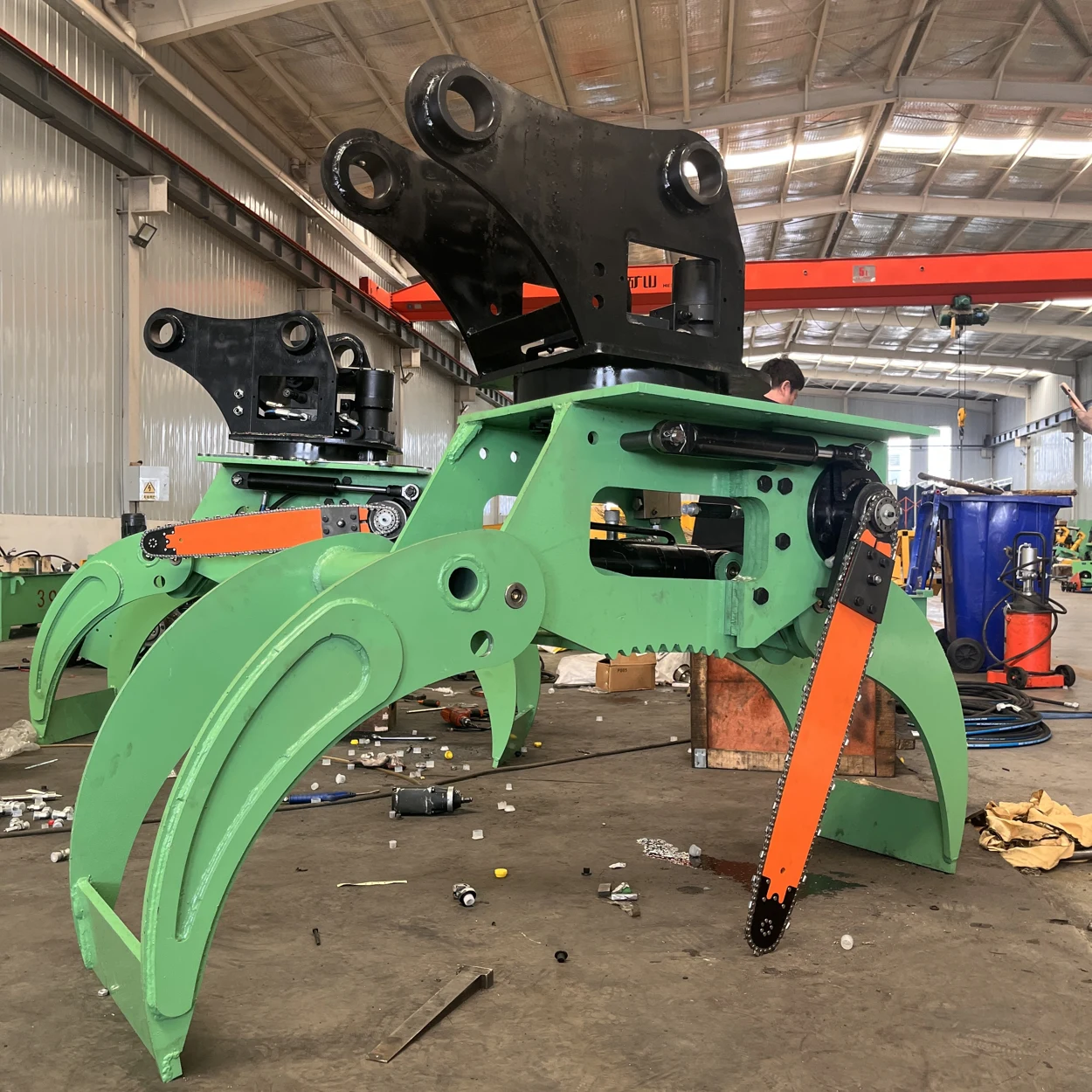
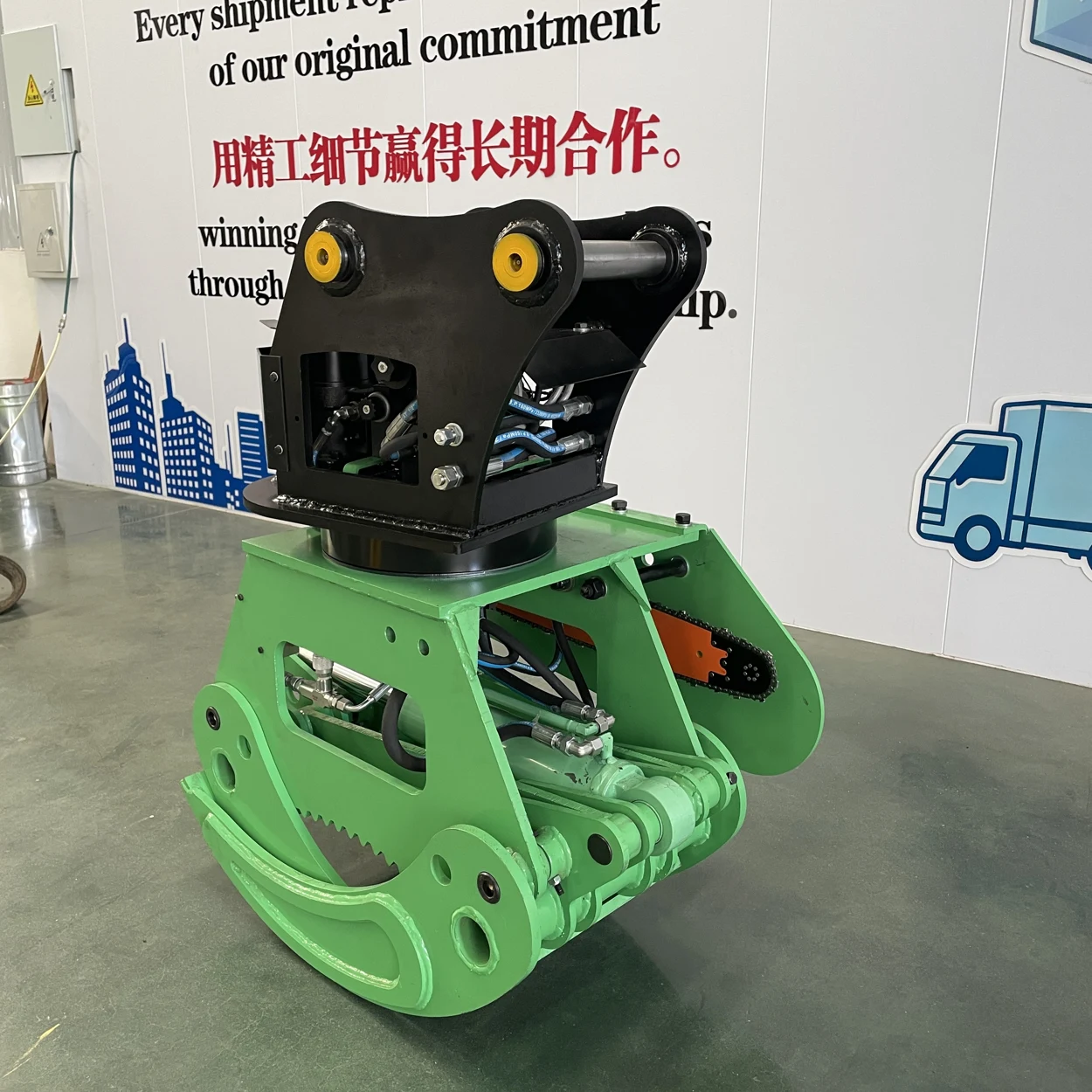
An excavator grapple saw combines a timber grapple and a hydraulic saw in one attachment. The grapple holds a branch or stem during the cut and can retain the separated piece for placement, sorting, or loading when the setup is suitable. Choose the attachment around the size and weight of the pieces your crew expects to handle.
Grapple jaws and opening
Check the opening and contact surfaces against the material you handle most often. Straight stems, forked branches, and bundles of brush sit differently in the jaws. If your crew needs to handle both large pieces and small limbs, share photos and typical dimensions for both.
Saw and rotation options
Review saw capacity, usable cutting diameter, and how the head can be positioned. A hydraulic rotator can help align the grapple with angled material, depending on the configuration. Ask which movement and control functions are included and what hydraulic connections they require.
Where a grapple saw helps
Tree and branch removal in confined areas
Where there is little room for branches to fall, a grapple saw can hold a selected section while it is cut and help position it for lowering. Review the reach, landing area, and expected piece weight with the crew responsible for the tree work.
Cut and sort logs at the same work area
For timber resting on the ground, the attachment can grip a stem, cut it to the length your crew needs, and place the piece in a sorting pile. Plan pile locations around the carrier’s reach and the vehicle or loader that will remove the logs.
Clear woody growth ahead of site work
On sites where brush and small trees block access, the same attachment can cut suitable material and group it for removal. Identify the largest stems and the access needed for the next crew when setting up the work area.
Process fallen timber after storms
Fallen stems can block access or be awkward to move in one piece. Once the site and timber have been assessed, a grapple saw can help cut and collect suitable sections. Have the qualified site crew assess unstable timber and overhead utilities before choosing a work method.
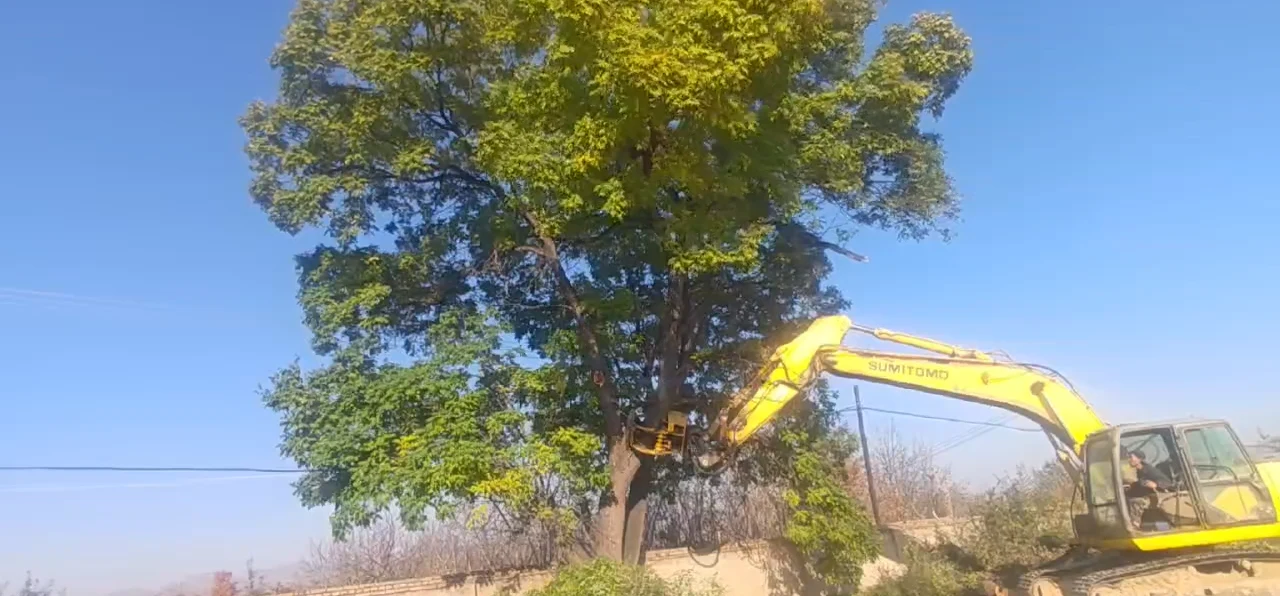
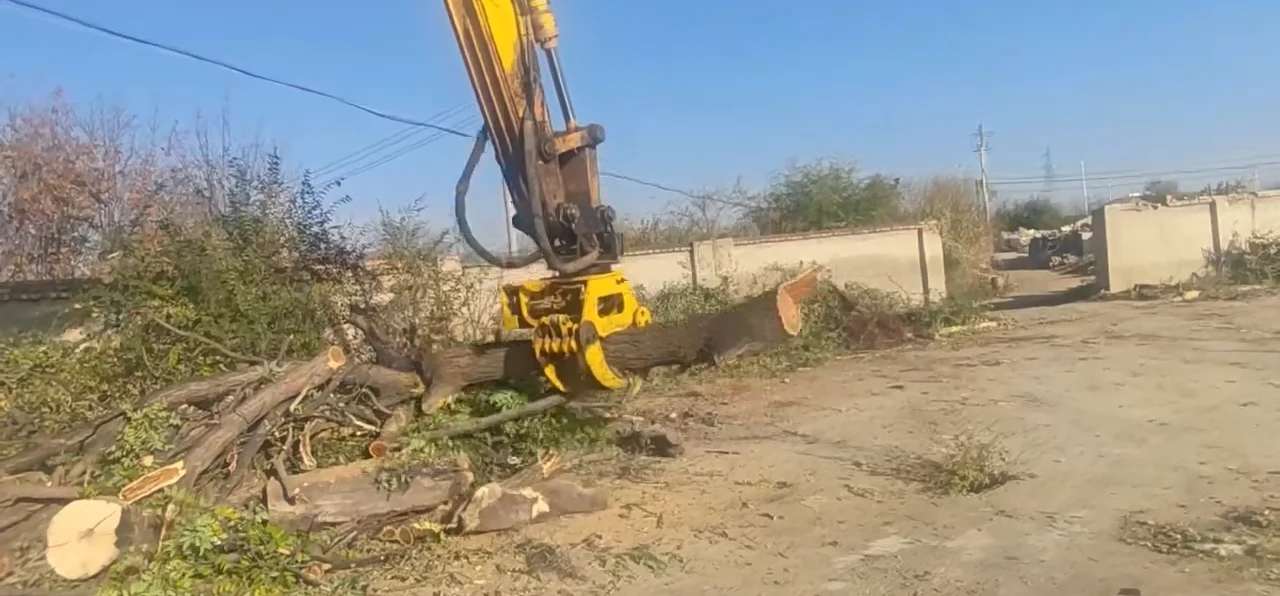
Match the grapple saw to your excavator
Start with the excavator model, the way the attachment will mount, and the working position. Include the grapple saw, mounting hardware, and any coupler when calculating installed weight. Ask PAILIEN to check the proposed setup against the carrier’s available hydraulics and the load you expect to handle at the required reach.
| What to check | What to send | What it helps confirm |
|---|---|---|
| Carrier and mount | Excavator make and model, coupler type or pin dimensions | Mounting fit and installed weight |
| Auxiliary hydraulics | Available flow and pressure, return circuit, and control functions | Connections and control requirements |
| Timber dimensions | Typical and maximum stem diameter, piece length, and estimated weight | Grapple opening, saw size, and handling needs |
| Working position | Photos, cut height, reach, ground conditions, and landing space | Clearance and carrier capacity at the intended position |
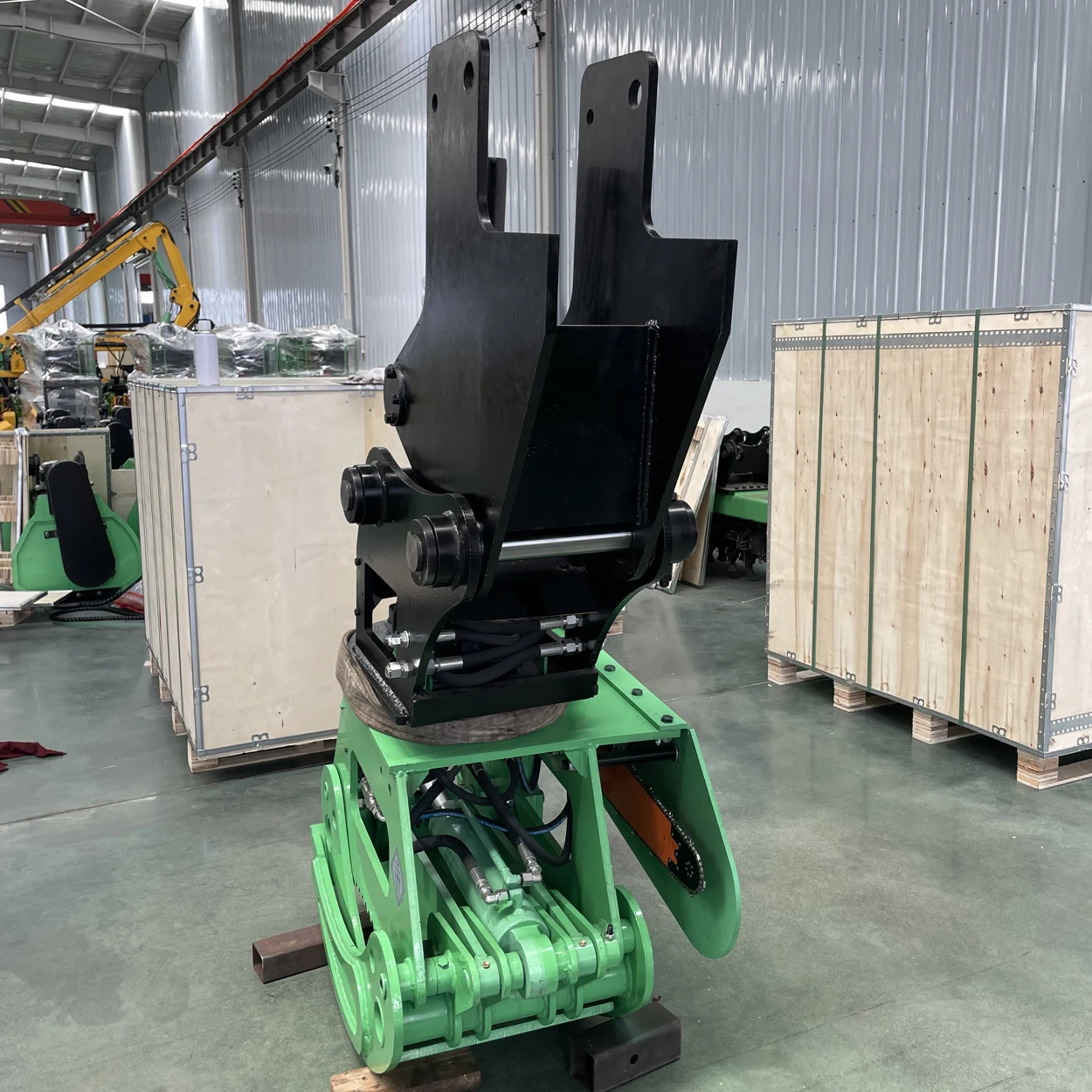
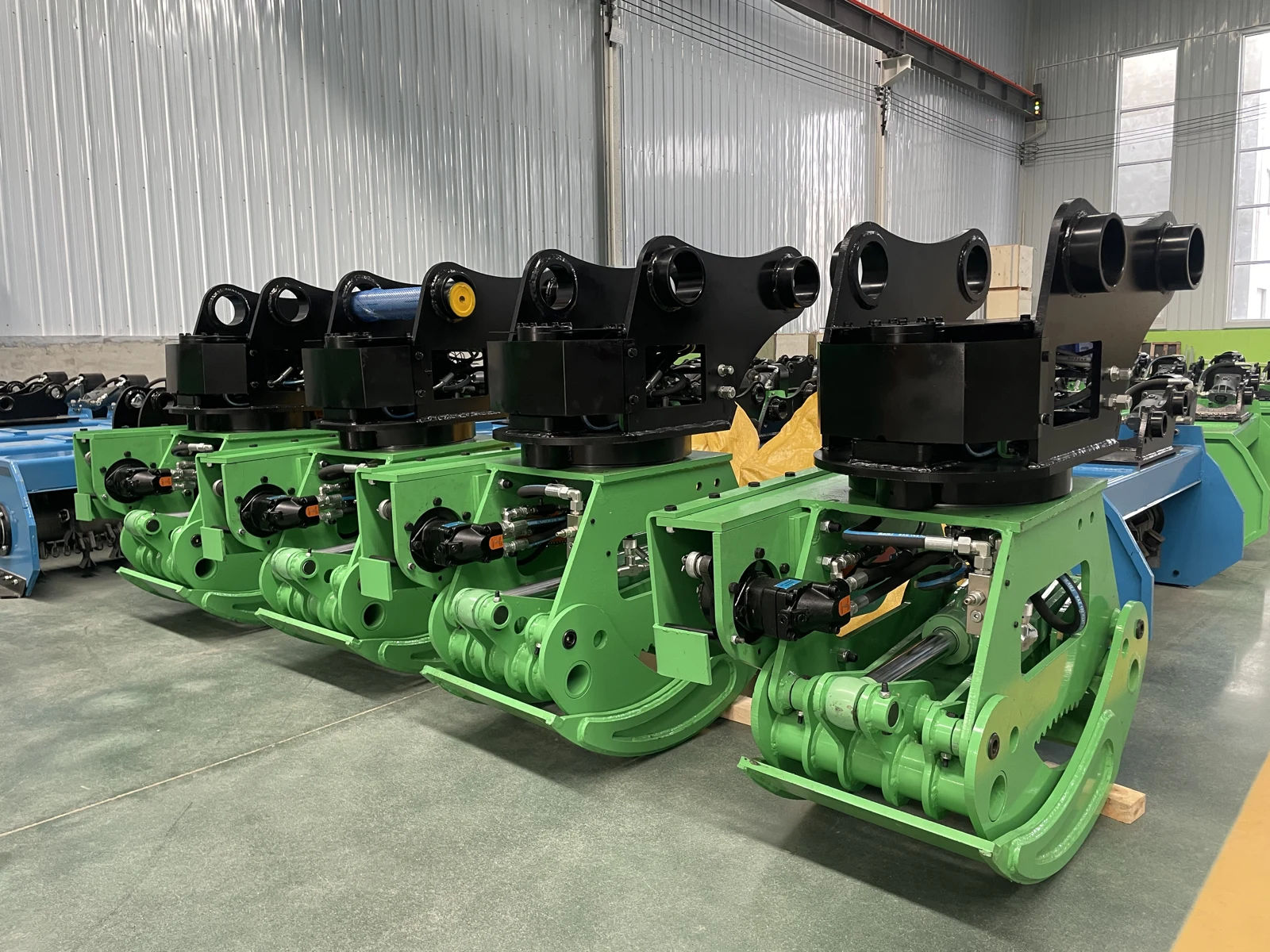
Plan for the complete work cycle
Cutting is one part of the cycle. Compare how long the crew spends positioning the head, making the cut, placing the piece, and getting ready for the next one. Check where the wood will go and which equipment will move it onward.
Review representative material
Describe the species, diameter range, forks, and typical piece length. Green logs can weigh more than dry pieces of the same size. Give the expected weights and working radius so the carrier and attachment can be reviewed together.
Account for sorting and loading
Separate the work into the pieces you need to retain as logs and material that will go to disposal or further processing. Knowing where each group will be placed helps the crew plan how often the excavator needs to reposition.
Check service access and spares
Ask which chain and bar fit the selected unit, how the lubrication system is supplied, and which parts should be stocked for routine service. Provide the attachment model when requesting replacement parts.
What to compare before ordering a grapple saw
Describe the timber your crew handles most often and the piece that is hardest to grip or reach. A crew processing fallen logs to transport length may need a different jaw opening and mounting arrangement from a crew removing individual branches. Photos of both jobs help PAILIEN assess the options against the work you actually do.
Measure at the grip and at the cut
A tapered stem can be wider where the grapple holds it than where the saw cuts it. A fork may also limit where the jaws can close. Provide dimensions at both points and show any forks or irregular shapes in your photos. Compare the jaw opening and the usable cutting capacity for the proposed configuration separately. Those dimensions describe different parts of the attachment and both affect which pieces it can handle.
Check the load at the planned reach
Use the carrier’s capacity for the actual working position when reviewing the combined weight of the attachment and the timber. Include the coupler and mounting hardware. If the excavator will work at several heights or distances, identify the positions that place the greatest demands on the carrier. Show where the wood needs to land, since the carrier must be able to handle the piece throughout the planned movement.
Confirm the functions available from the cab
Send the number of auxiliary circuits, their available flow and pressure, and the controls already fitted in the cab. Ask PAILIEN how the proposed attachment will use those circuits for gripping, sawing, and rotation where fitted. Confirm which hoses, controls, and mounting parts come with the attachment and which need to be ordered separately. Include the exact carrier model if the same attachment will be used on different excavators.
Compare the cost of completing the job
During a representative trial, record how much timber is cut and moved to its destination. Include time spent reaching the material, repositioning the excavator, sorting pieces, and waiting for loading. Record routine chain and bar service as well. Use similar piece sizes and working conditions for each trial. If the job requires a specific log length, count only the timber processed to that length when comparing output.
Prepare for delivery and service
Before ordering, share a photo of the excavator’s mounting interface and let PAILIEN know whether the machine uses a quick coupler or a pin-on mount. Ask for an itemized list of the attachment, mounting parts, hoses, and controls. If your fleet uses several excavators, identify the one that will receive the saw first and list the others you want to check for compatibility.
Identify replacement parts by configuration
Record the attachment model and serial number when the unit arrives. If you need a replacement chain, bar, or other saw component, send that information along with photos and any readable markings on the part. This helps match replacements to the installed saw assembly, especially when several units in the fleet look similar or were supplied at different times.
Plan consumables around your workload
Tell PAILIEN how often the grapple saw will run and what material your crew handles. A machine used occasionally for site clearance can have different stocking needs from one used every day to process timber. Confirm which chain, bar, and lubrication supplies are specified for the selected saw and which can be included with the initial delivery. Record what the crew uses during early jobs to guide later orders.
Grapple saw FAQ
Can I use my excavator’s existing hydraulic circuit?
Send the excavator model, auxiliary flow and pressure, and the available controls. PAILIEN can check whether the circuit supports the proposed grapple, saw, and rotation functions.
How do I choose the cutting diameter?
Provide both the typical diameter and the largest stems you expect to cut. The working diameter depends on saw geometry and how the jaws hold the piece. Share the expected weight and reach as well.
Can the same head handle timber after cutting?
The grapple can hold and place a cut section within the limits of the attachment, carrier, and working position. Provide the planned piece length and weight if you intend to use it for sorting or loading.
What changes if the cuts are above ground?
Check the planned height, reach, piece weight, and space to place the material. Ground-level log handling and elevated tree work call for different assessments of access and carrier capacity.
Request a grapple saw quote
Tell us what you need to cut and where the material will go. PAILIEN can review the carrier, mounting connection, and attachment options for the job.
- Excavator model, coupler or pin dimensions, and available hydraulics
- Typical and maximum timber diameter, piece length, and estimated weight
- Site photos, required working reach, and how the crew will handle cut material