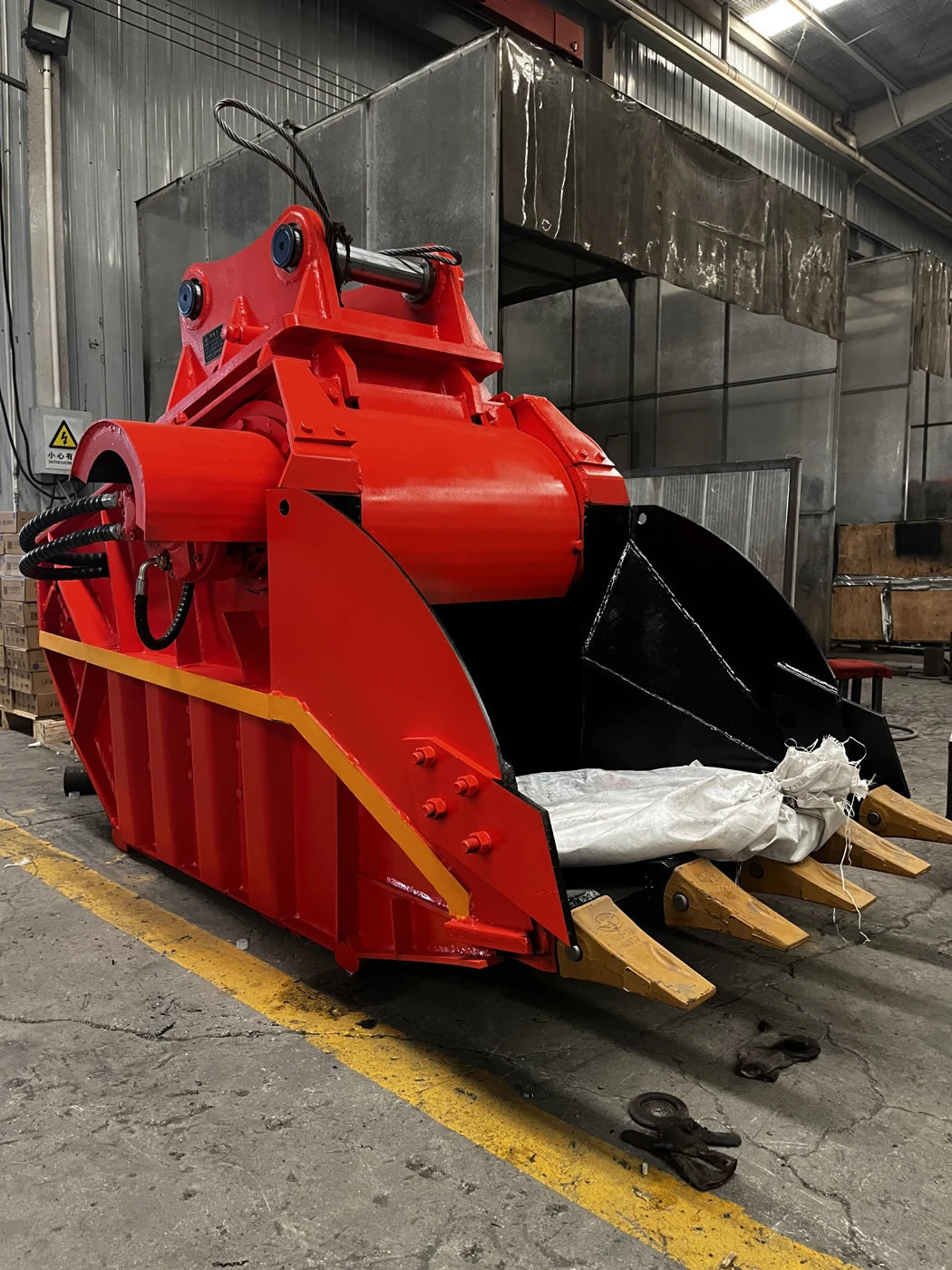
Excavator Jaw Crusher Buckets
- Crush concrete rubble, brick, and suitable rock on site
- Use your excavator’s auxiliary hydraulics to power the jaws
- Set the jaw opening for your target output size
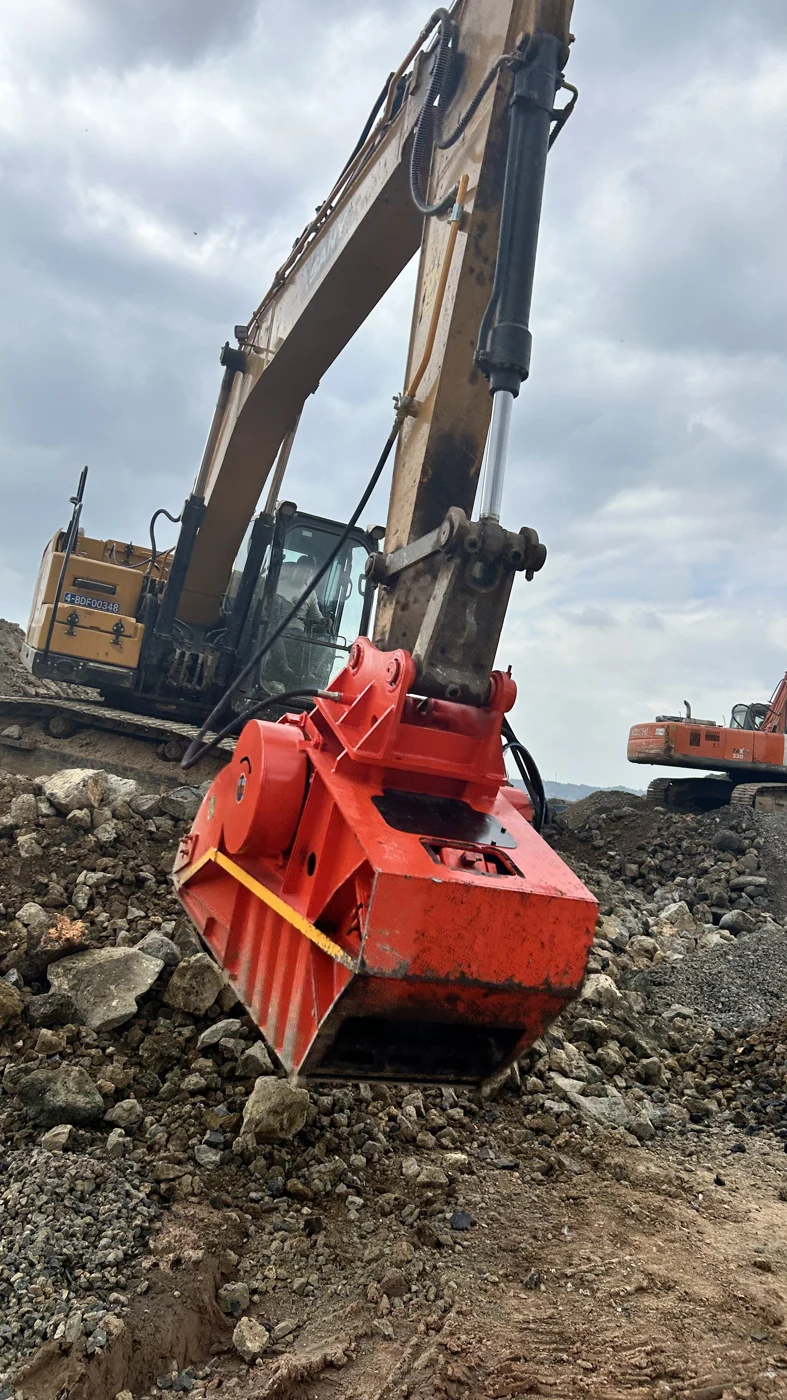
How a jaw crusher bucket works
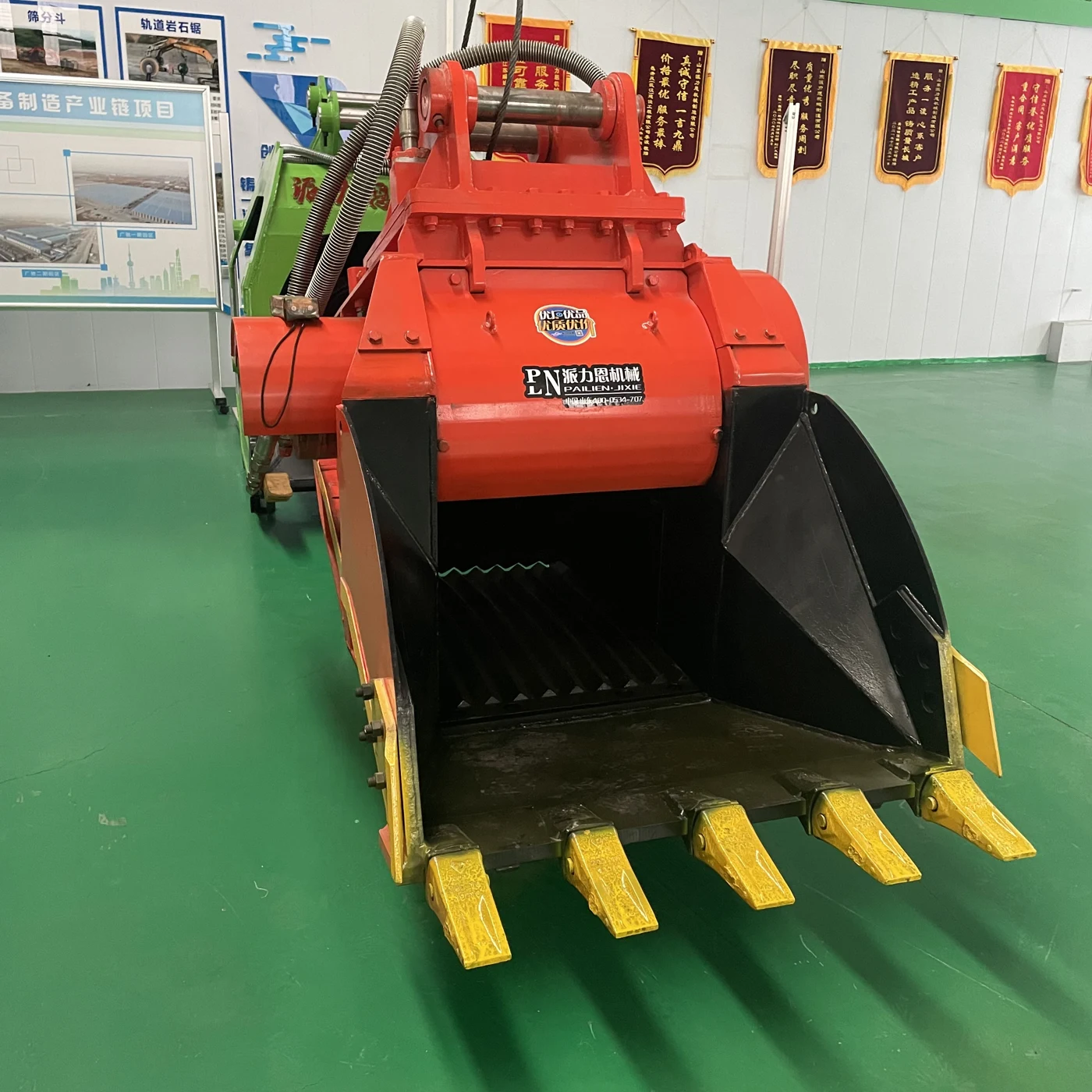
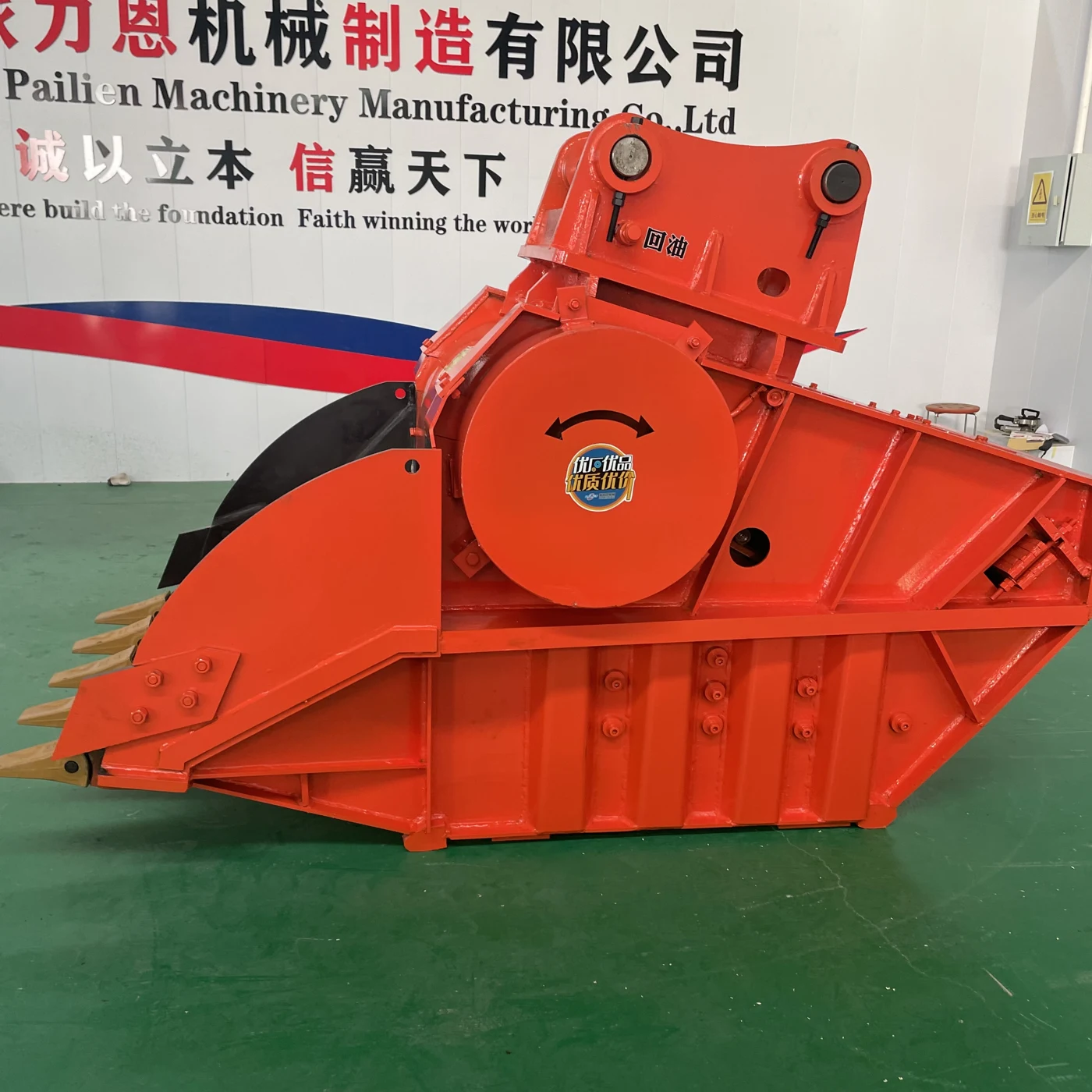
A hydraulic crusher bucket is an excavator attachment that picks up prepared rubble and crushes it between a moving jaw and a fixed jaw. The excavator’s auxiliary circuit supplies power to the attachment. Crushed material leaves through the discharge opening and can be stockpiled near the work area.
Feed opening and material preparation
Check the feed opening against the dimensions and shape of the rubble. A long concrete slab can bridge across the opening even if one dimension looks acceptable. Separate oversized pieces during sorting and plan any necessary preparation before the crushing stage.
Jaw setting and finished size
The jaw setting influences the size distribution of the crushed material. Actual output includes a range of sizes and varies with the feed, jaw wear, and setting. If the project calls for a defined grade, test representative feed and check whether the crushed material needs screening to meet the specification.
What can you crush on site?
Concrete from demolition
When hauling bulky demolition rubble takes up truck space, crush suitable concrete at the jobsite. Sort out contaminants and assess reinforcement before processing. Crushed material can be considered for reuse where it meets the project’s material requirements.
Brick and masonry debris
Process suitable sorted brick and masonry into smaller material for stockpiling or approved reuse. If the pile also contains soil, timber, or mixed waste, plan a sorting step so the bucket handles the portion intended for crushing.
Rock from trenching and excavation
When excavated rock piles up along a work corridor, a crusher bucket can process suitable pieces close to the excavation. Confirm the rock type, typical feed dimensions, and target output size before choosing a configuration. Hard, abrasive material can increase jaw wear.
Small batches of construction aggregate
Where a project needs limited quantities of crushed material at several locations, an excavator attachment lets the crew move the crushing operation with the carrier. Confirm how the finished material will be tested, screened, and handled before counting it toward the job’s aggregate needs.
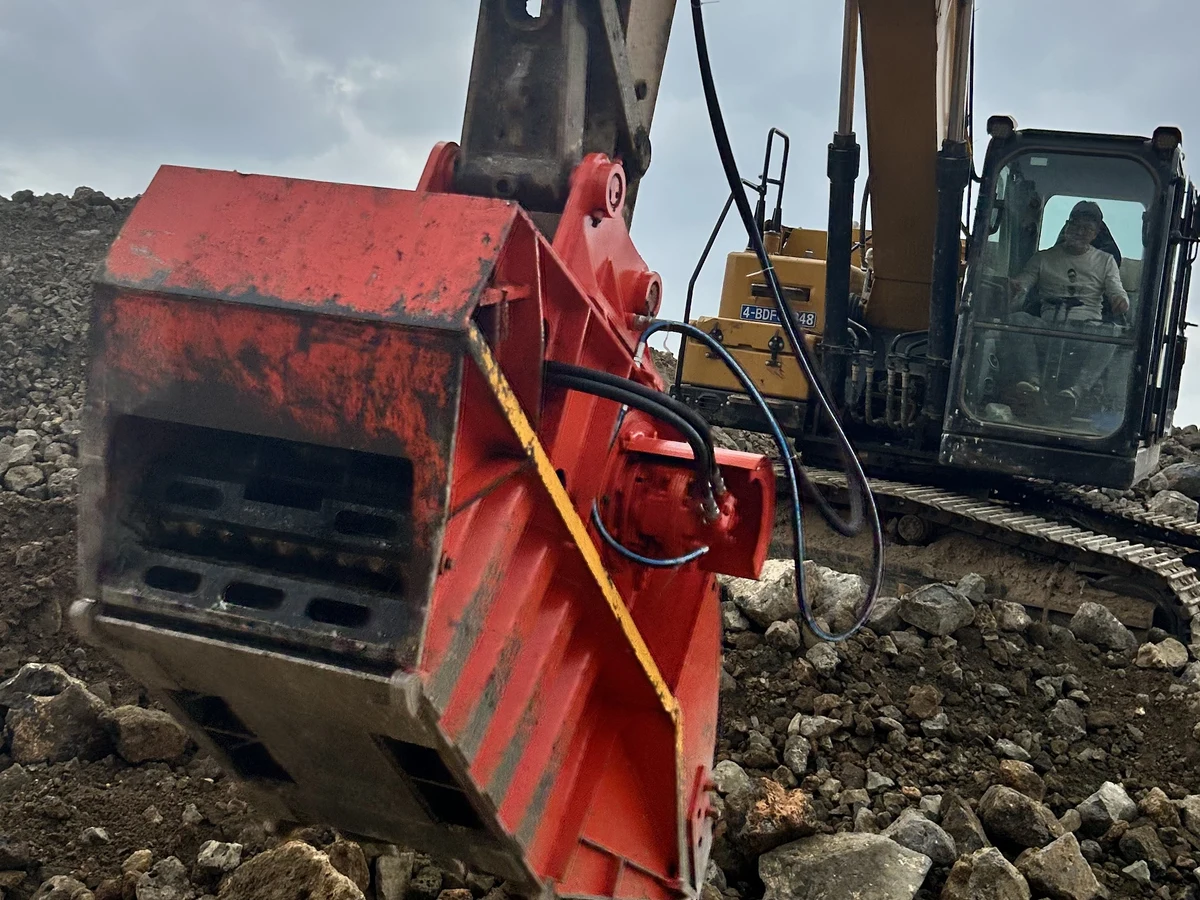
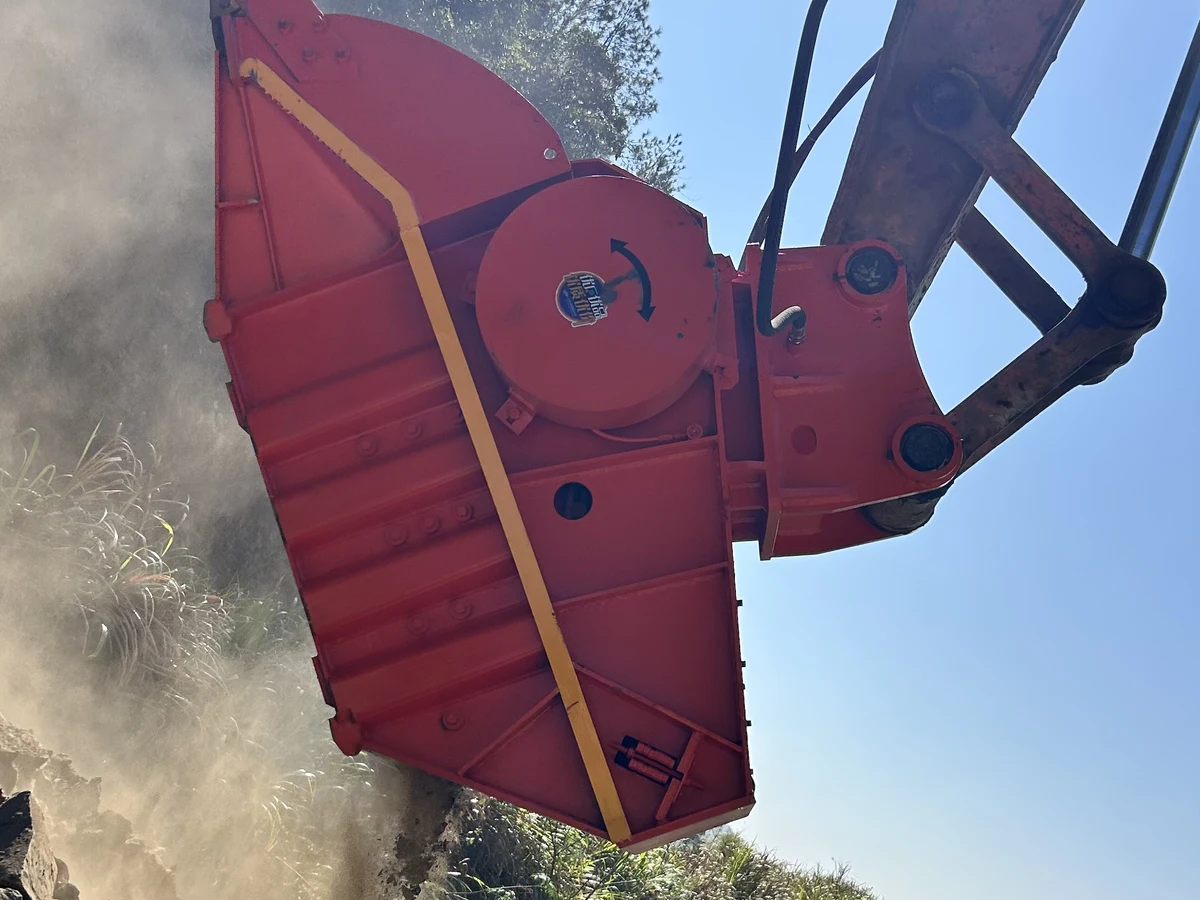
Match the crusher bucket to your excavator
Start with the exact excavator model, mounting interface and auxiliary circuit. Include the bucket, coupler, and material in the total load. Check it against the excavator’s capacity at the planned working reach and position. PAILIEN can review the information below against the proposed attachment.
| What to check | What to send | What it helps confirm |
|---|---|---|
| Carrier and mount | Excavator make and model, coupler type or pin dimensions, working reach | Mounting fit and loaded attachment capacity at the work position |
| Hydraulic supply | Available auxiliary flow and pressure, return circuit details | Motor compatibility and any additional line requirements |
| Feed material | Material type, typical and largest piece dimensions, photos and visible reinforcement | Feed opening and preparation requirements |
| Finished material | Target size range, intended use and quantity to process | Jaw setting, trial criteria and whether screening is needed |
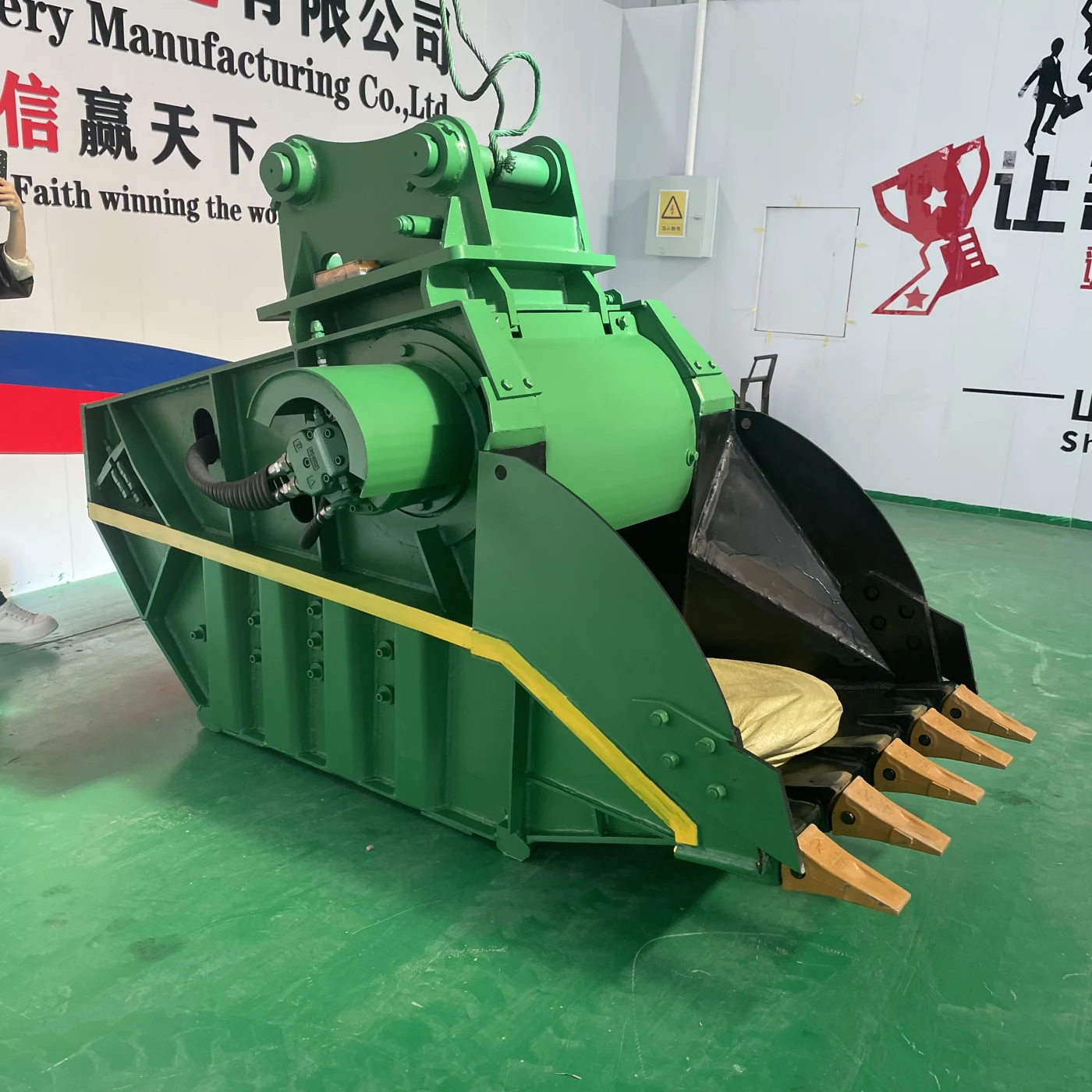
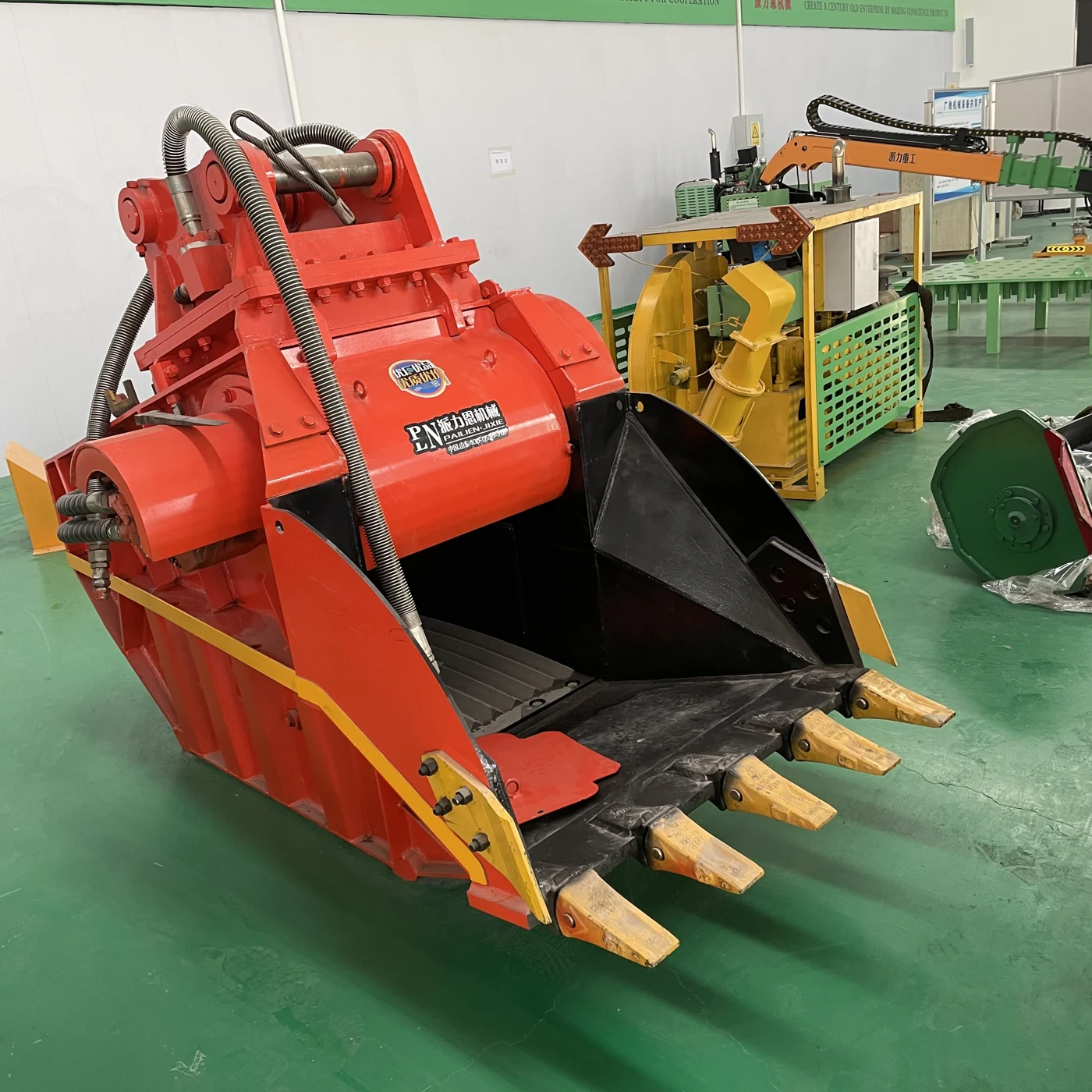
Estimate production from the full work cycle
Compare output using material your crew actually handles. A rate measured during crushing covers only part of the job. Include time for sorting, preparing oversize feed, repositioning the excavator, and moving finished material.
Test representative rubble
Choose feed from the main piles you expect to process. Record the material type, typical piece size, and any differences between piles. Keep those conditions consistent when comparing bucket configurations.
Measure usable output
Record the quantity that meets the intended size range and the time it takes to produce it. If screening or another crushing pass is required, include that time in the estimate.
Assess wear and handling
Include jaw wear and downtime in your production estimate. Check stockpile space and the route the loader or truck will use to remove the finished material.
Crusher bucket FAQ
What is the largest piece the bucket can take?
Feed size depends on the model’s opening and the piece’s shape. Send the length, width, and thickness of your largest pieces so PAILIEN can review the opening and preparation needed.
Can I crush reinforced concrete?
Tell PAILIEN what reinforcement is present and share photos of the rubble. Suitability depends on the attachment and the condition of the feed. Confirm what must be separated or prepared before crushing.
Does the jaw setting determine the exact output size?
The setting influences particle size. A trial crush followed by sieve analysis can show what proportion of the output meets your grading requirements.
Can I use my existing excavator hydraulics?
Send the make and model, auxiliary flow and pressure, and return circuit details. PAILIEN can check the proposed bucket against the available hydraulic supply and mounting interface.
Request a crusher bucket quote
Tell us what you need to crush and what size the finished material should be. PAILIEN can use the details below to review excavator fit and select a bucket for the job.
- Excavator model, coupler or pin dimensions, and auxiliary hydraulic specifications
- Feed material, typical and maximum piece dimensions, and photos
- Required output size, intended use, and quantity to process