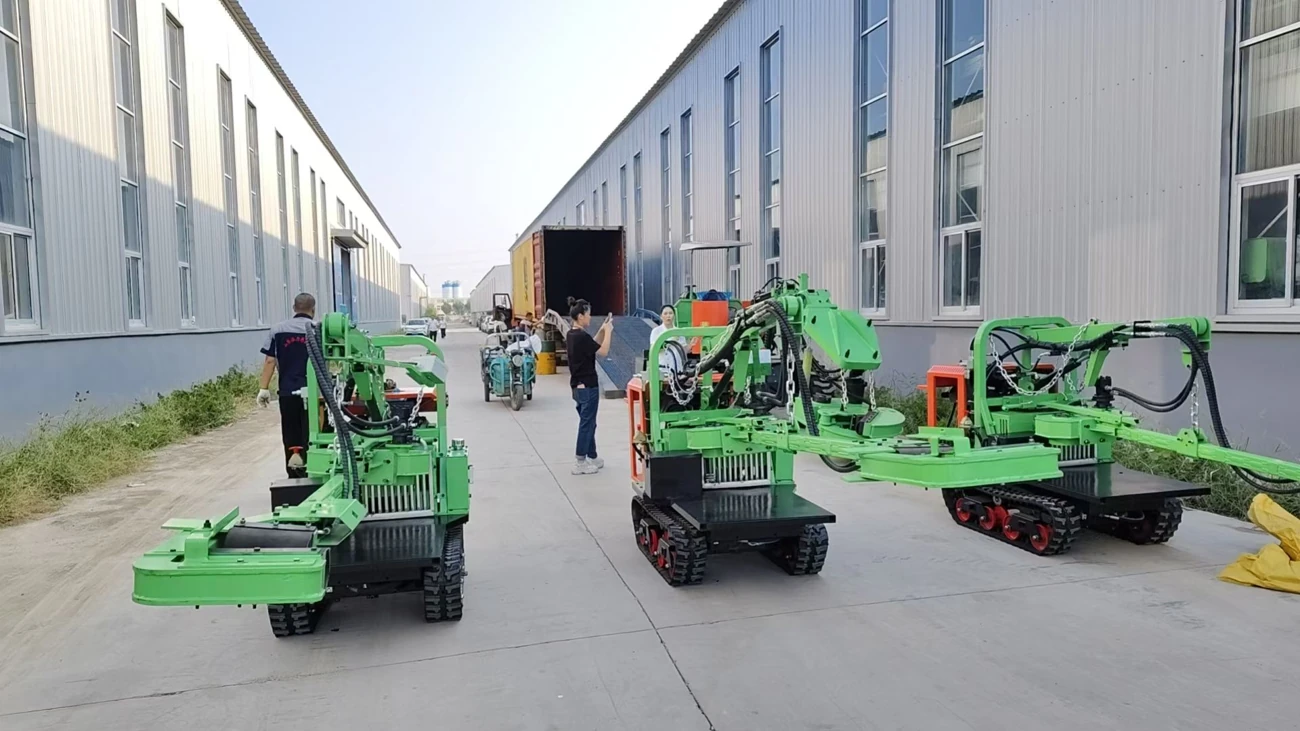
Fruit Shaker Machines
Hydraulic fruit shakers for olives, nuts, and suitable processing fruit.
- Reduce hand work during crop detachment
- Choose a machine around your trees and access
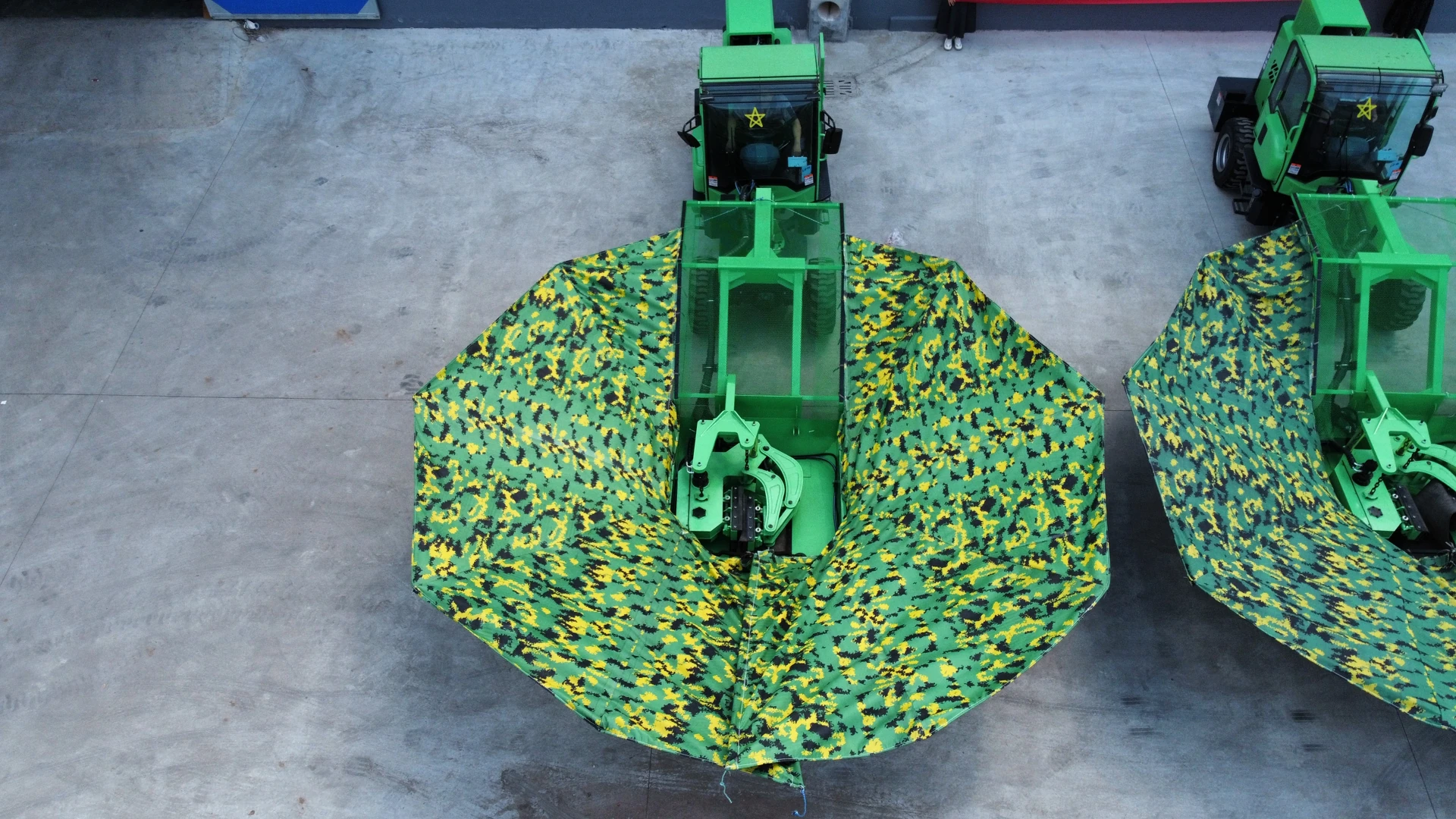
- Add an umbrella collector to catch the falling crop
Find the fruit shaker for your orchard
Compare the carrier, shaking head and collection arrangement around the work you need to improve.
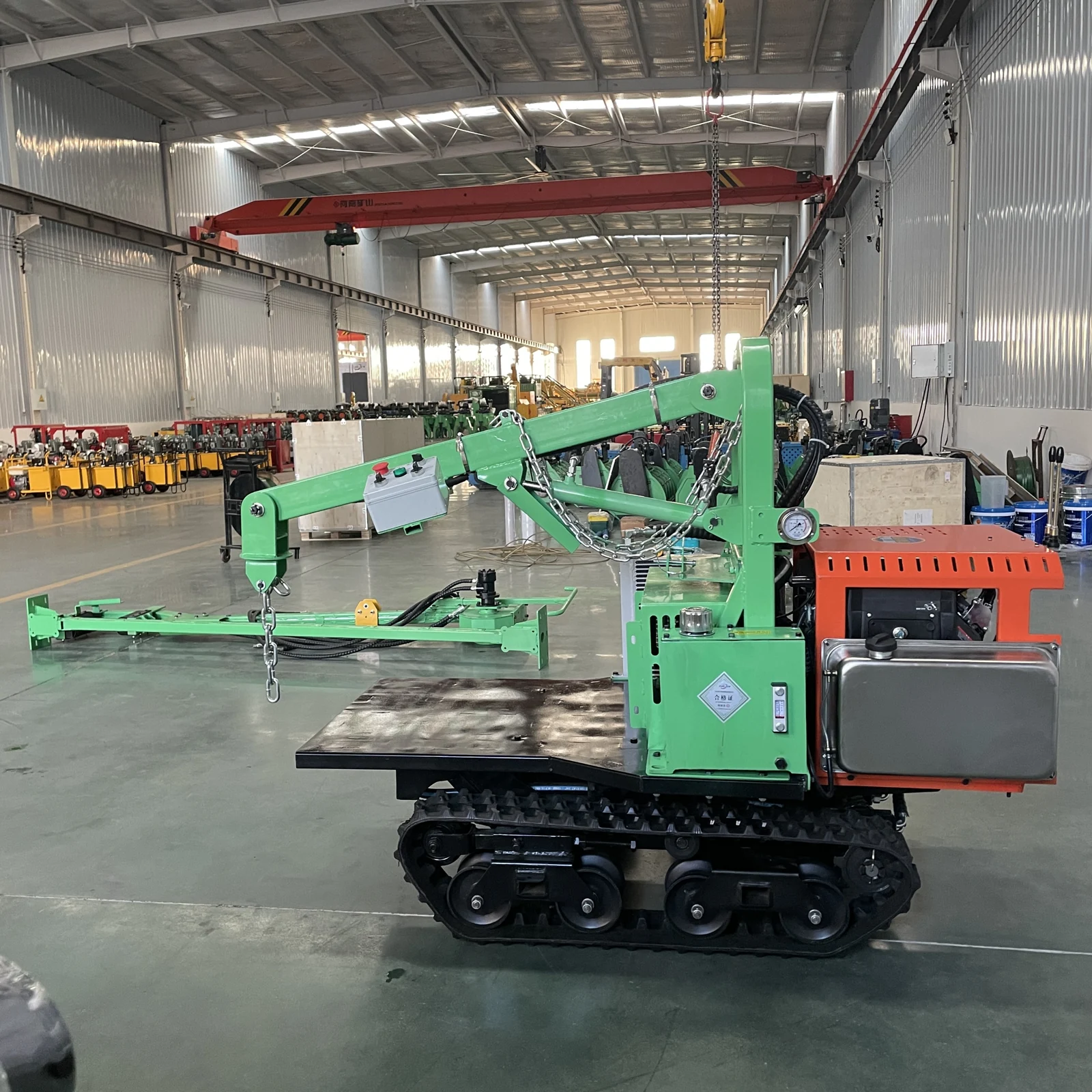
Crawler Fruit Shakers
Compare tracked configurations for your orchard access, trunk sizes and collection method.
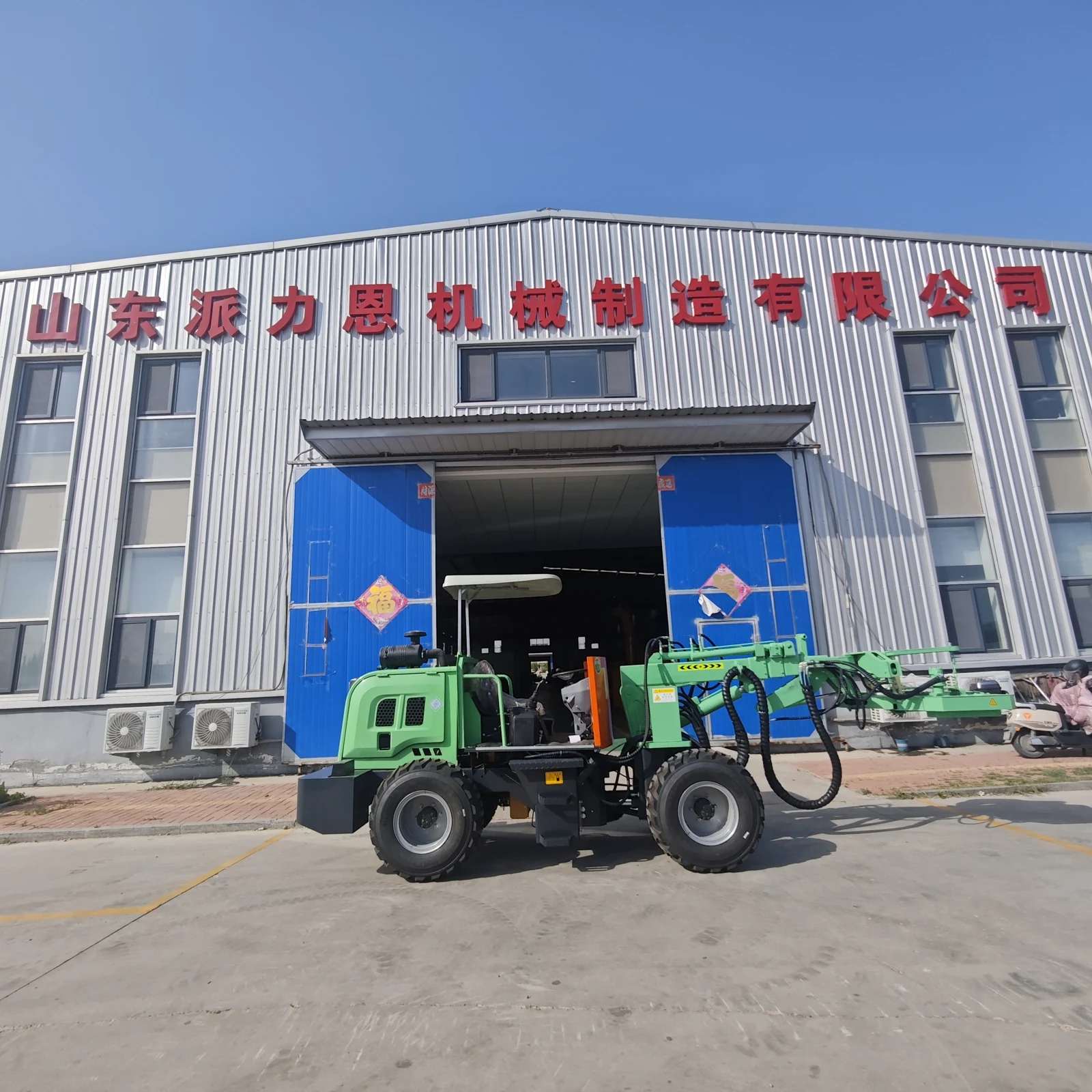
Loader-Type Fruit Shakers
Review complete wheeled machines, clamp ranges and arm positioning for your trees.
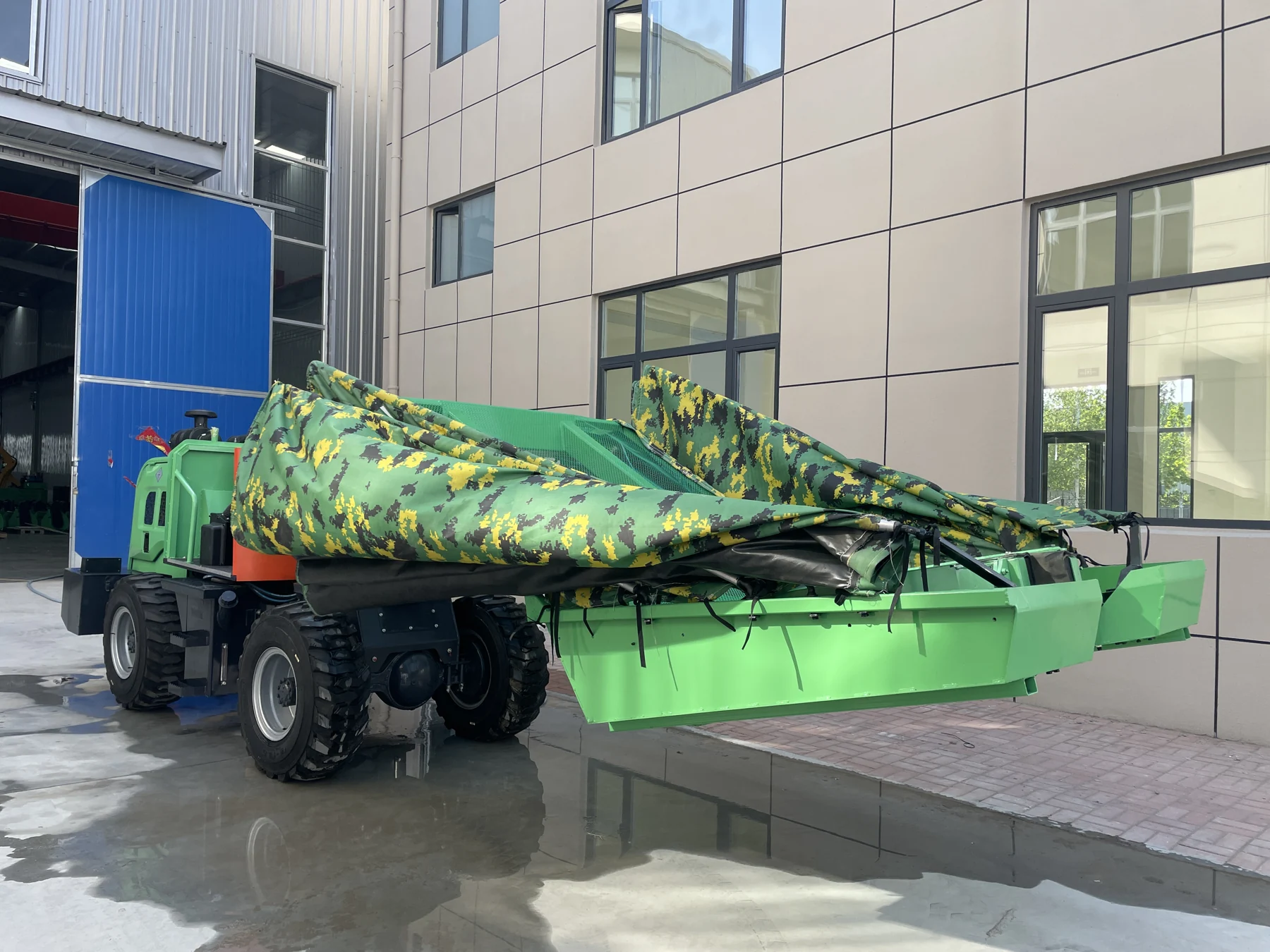
Fruit Shakers with Collection Umbrellas
Plan catching, umbrella clearance and container handling alongside trunk shaking.
Make the harvest easier to organise
Short harvest windows and limited labour make it difficult to keep picking, collection, and transport moving together. Start with the task that takes your crew the most time, then choose a shaking and collection arrangement that fits the rest of the operation.
Reduce repetitive hand work
Use hydraulic shaking to detach suitable crops from accessible trees. This can reduce the manual effort spent shaking individual branches. Check detachment and tree condition in a crop trial so you can plan the crew around the work that remains.
Coordinate collection with shaking
If moving nets or gathering fallen fruit slows the job, assess a catch umbrella with a suitable receiving arrangement. Review the time needed to open, empty, and close it alongside shaking time, and match container handling to your harvest target.
Fit the machine to the orchard
Select the machine using your orchard row width, trunk sizes, branch clearance, and terrain. Reviewing these details before ordering helps identify the carrier, clamp, and collection setup that can work through the orchard with fewer avoidable stops.
Choose a fruit shaker for your orchard
PAILIEN fruit shakers use a hydraulic trunk-shaking mechanism. The clamping head grips an accessible part of a suitable tree and applies controlled vibration to detach the crop. The choice starts with the tree and the harvest method. Trunk diameter, branching height, row access, ripeness, and the way you collect the fallen crop all influence which machine can work effectively in your orchard.
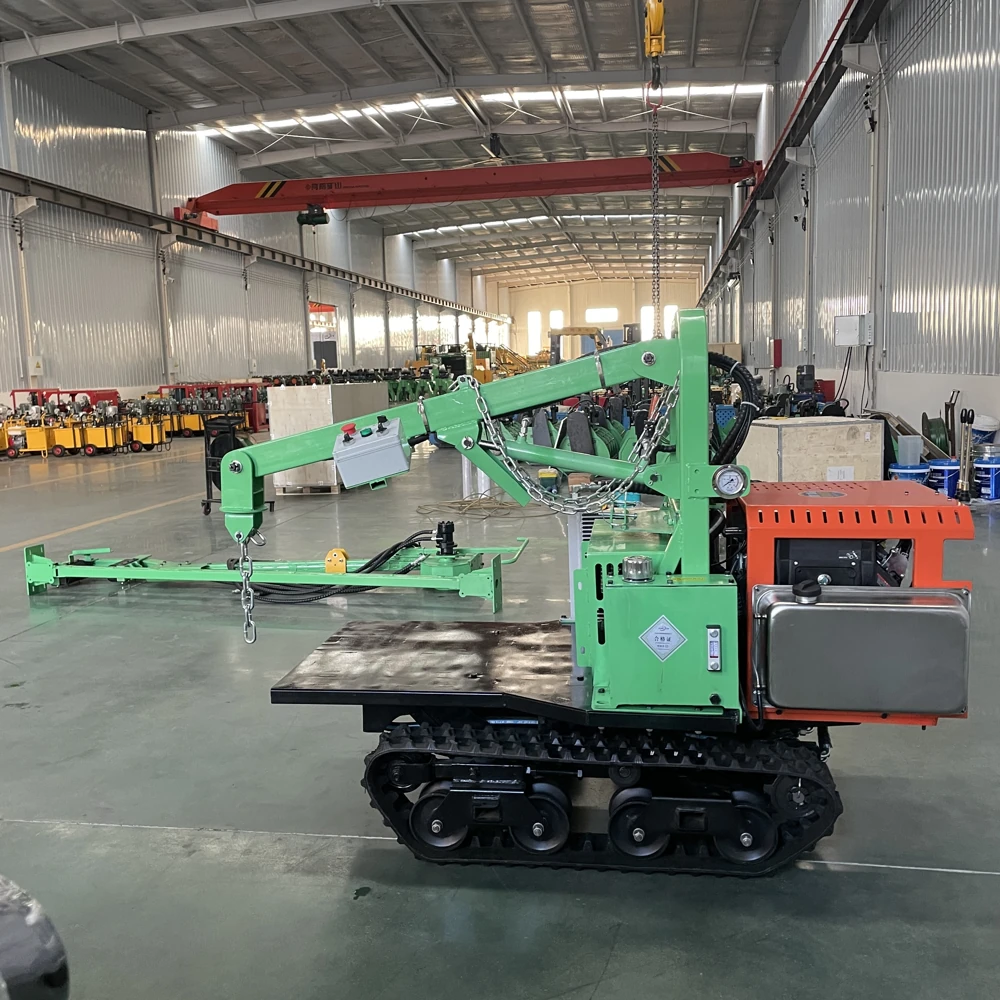
Crawler fruit shakers
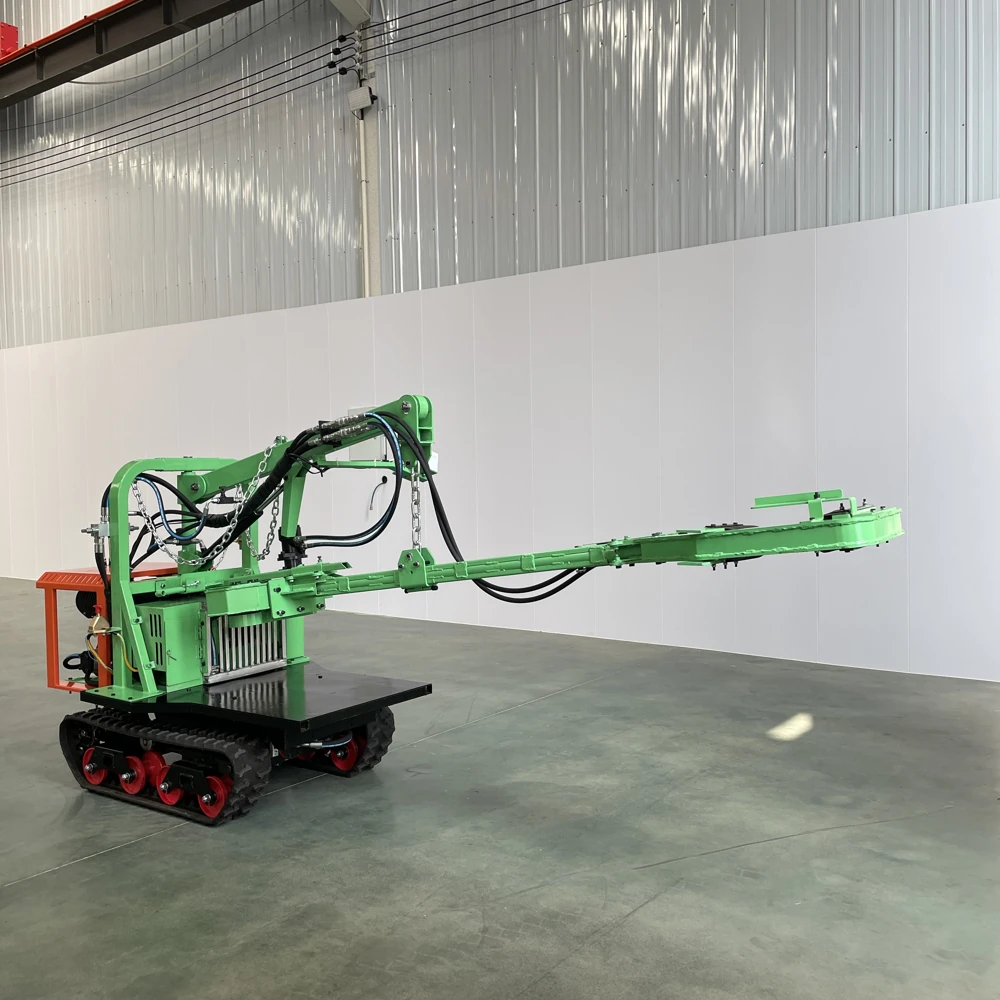
A compact crawler configuration is worth reviewing where access between trees is restricted. Check the machine width against your narrowest route, then allow for the arm movement, turning space, and the operator’s working area. PAILIEN’s range includes mechanical travel and fully hydraulic travel versions. Identify the exact version when comparing engine, clamp, and control specifications.
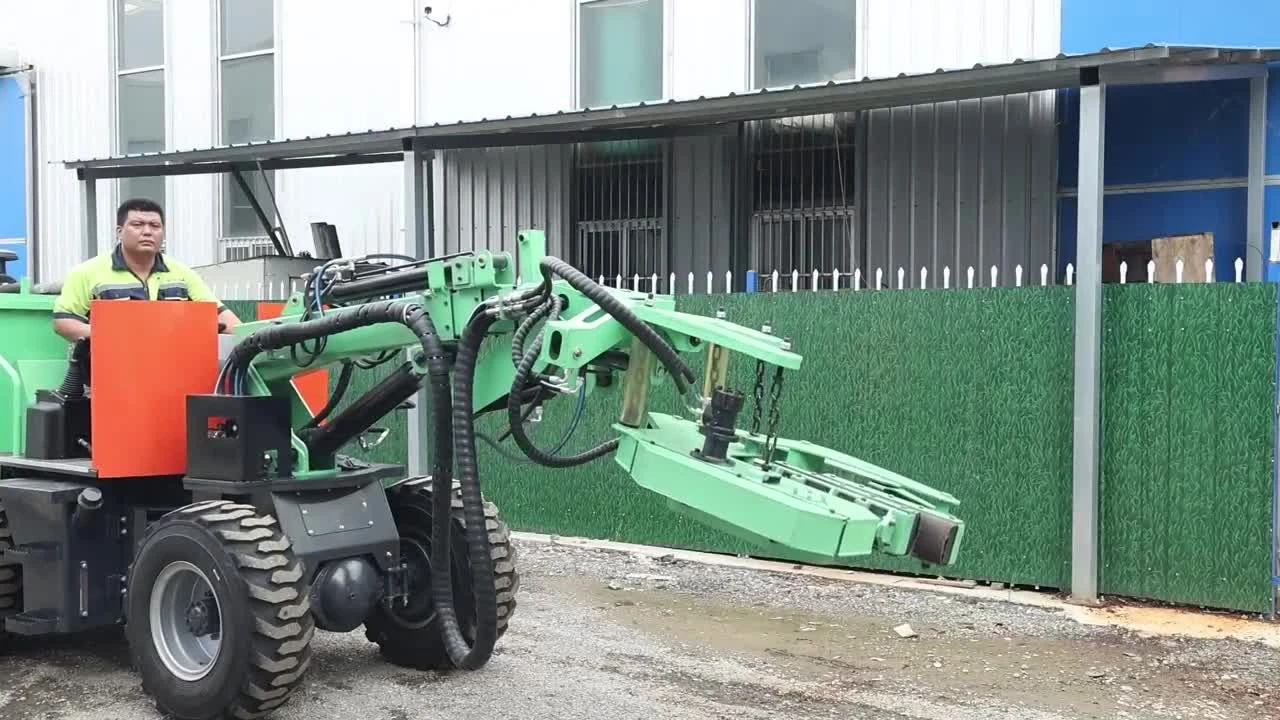
Loader-type fruit shakers
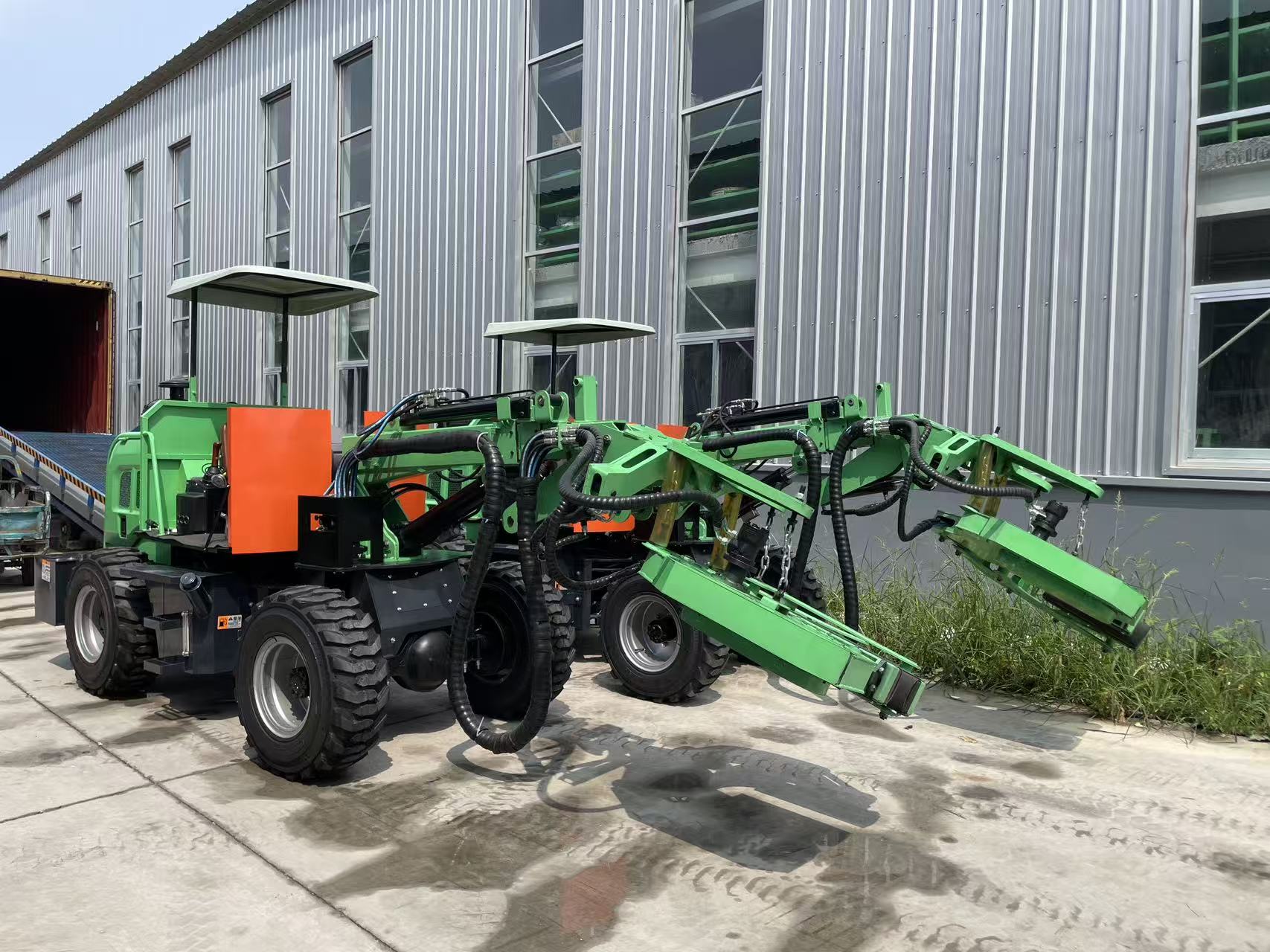
A loader-type fruit shaker uses a self-propelled wheeled chassis and a hydraulic arm to position the shaking head at the trunk. Review the headland space and approach to each trunk with the arm in its working position. For a machine fitted with a collector, include the space needed to open, close, and empty the collection system.
Fruit shaker attachments
For a compatible carrier, a separate shaker attachment may fit an existing harvesting workflow. Send the carrier model, mounting interface, hydraulic flow and pressure, and the required head position. PAILIEN can review the connection and operating requirements for the proposed attachment, including the controls needed for clamping and shaking.
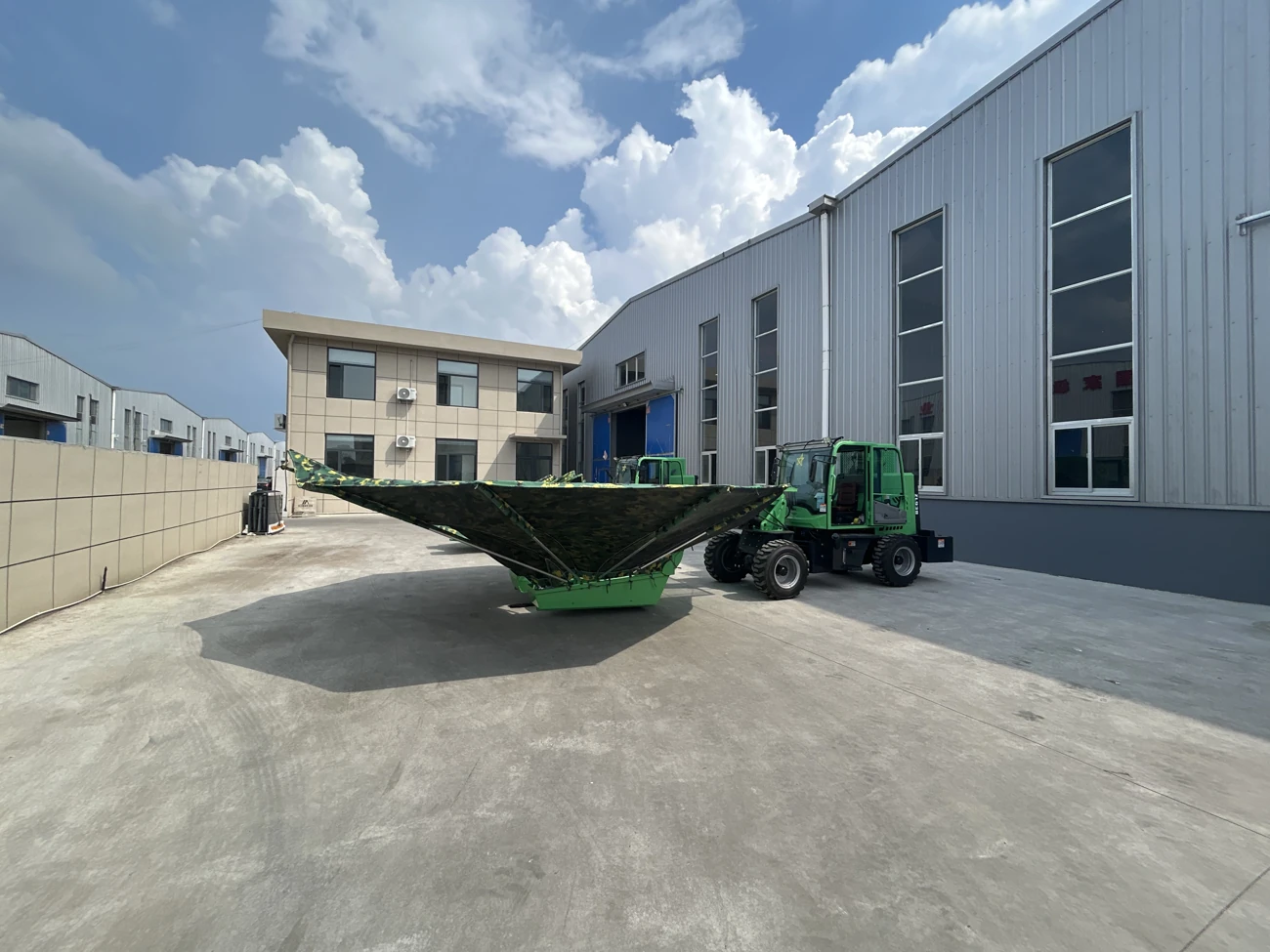
Fruit shakers with a collection umbrella
A catch umbrella opens beneath a suitable tree to intercept the falling crop and direct it toward a receiving area or container. Compare the collection arrangement with the tree canopy and lowest branches. Confirm the opening envelope, discharge method, and transport dimensions for the specific crawler or wheeled configuration you plan to order.
Plan around your crop and tree form
Tell us the crop species and variety, the harvest stage, and the intended market. A trial on representative trees can show how readily the crop detaches, how it is collected, and whether the result meets your quality requirements.
Walnut and chestnut harvesting
For nut harvesting, check access to the trunk and the collection route beneath the canopy. If the crop will fall onto prepared ground or nets, include time for moving and clearing those materials. If you want an umbrella, check how it will fit around the trunk and under the branches before choosing the machine.
Olive fruit shakers
Olive tree shape, trunk access, and ripeness can vary across the same orchard. Send photos of typical trees and the most difficult examples, especially where there are multiple stems or low branches. A shaking and collection trial helps establish the clamp position and the crop handling arrangement for your plantation.
Fruit for processing
For crops such as plums or apples intended for processing, discuss the processor’s acceptance requirements before selecting a collection system. Review crop detachment, impact during collection, and handling after discharge. Fresh-market fruit with strict appearance requirements needs its own assessment of bruising and handling quality.
Mixed orchards and contract harvesting
If the machine will move between orchards, list each crop, tree size range, and access constraint. The largest trunk determines only part of the selection. A narrower orchard, lower branch, or tighter headland may set the practical limit for the carrier and collector.
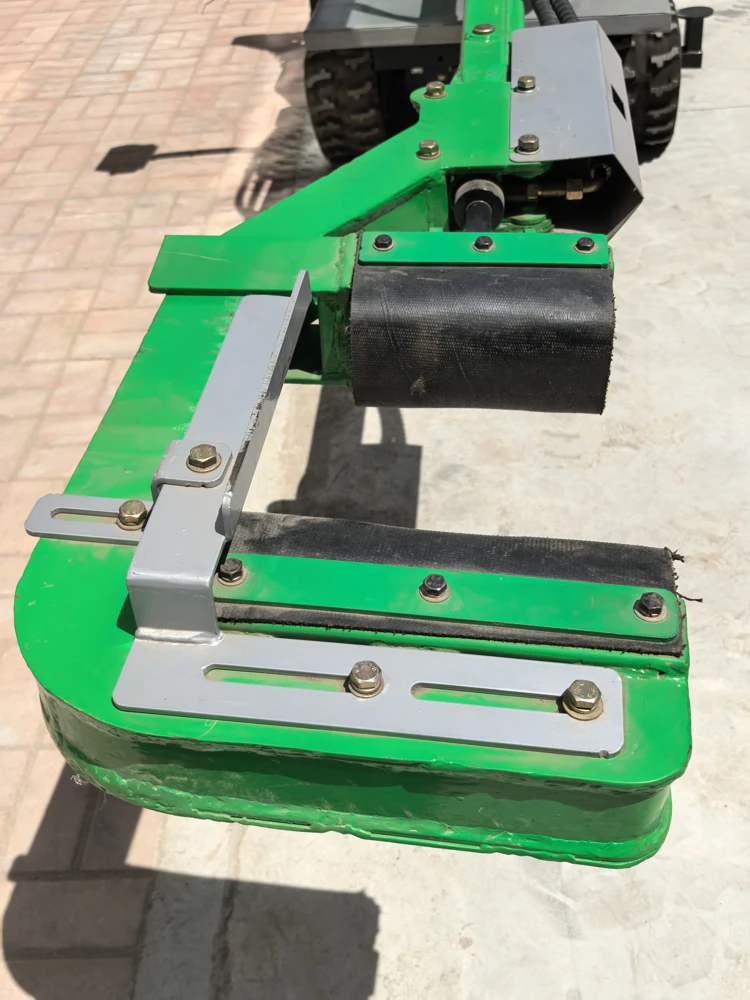
Check the fit before choosing a model
Measure trunk diameter where the clamp would actually sit. Include the usable straight section below the first branch, trunk shape, and nearby obstructions. Then measure the route into the row and the space around a tree where the carrier and collector will work. Photographs with a visible scale help us review these measurements.
| What to check | What to send | What it helps confirm |
|---|---|---|
| Crop and quality | Species, variety, ripeness, and processing or fresh-market use | Trial criteria for detachment, collection, and finished crop quality |
| Trunk and branches | Diameter at the clamp position, lowest branch height, and photos | Clamp range, head clearance, and access to the gripping position |
| Orchard access | Row and tree spacing, headland space, gate width, and ground conditions | Carrier dimensions, working envelope, and route between trees |
| Terrain | Slope information, cross-slopes, surface condition, and site video | Whether the proposed machine can operate within its specified limits |
| Collection and power | Nets, ground collection, or umbrella preference; container type; engine and emissions needs | Collection workflow, discharge arrangement, and engine options |
Compare the machine and the collection system
Shake onto prepared ground or nets
A basic shaker carries out the detachment step. Plan the people and equipment that spread, move, and clear nets or collect the crop from the ground. Include those operations in the harvest estimate.
Catch the crop beneath the tree
An umbrella configuration adds a collection step to the machine. Check opening space, trunk fit, and container handling. Confirm which opening and discharge functions are included in the proposed setup.
Move the crop onward
Review where the collected crop goes next, how containers are changed, and how it reaches storage or processing. A fast shaking sequence still needs a collection and transport system that can keep up.
Model specifications for comparison
The figures below come from the separate PLE-428 and 4YG-28 specification sheets. Confirm the current build and collection equipment with PAILIEN when requesting a quote.
| Specification | PLE-428 | 4YG-28 |
|---|---|---|
| Travel configuration | Self-propelled crawler | Self-propelled wheeled |
| Listed engine power | 26 hp, twin-cylinder gasoline | 36.8 kW |
| Listed machine weight | 766 kg | 2,520 kg |
| Listed maximum clamping diameter | 250 mm | 300 mm |
| Listed vibration frequency | 8-12 Hz | 10-20 Hz |
| Listed clamp amplitude | Less than 2 cm | Up to 5 cm |
Dimensions, reach, collector size, and engine configuration should be confirmed for the quoted machine. The usable clamping position also depends on trunk shape and clearance.
Measure the complete harvesting cycle
Time the operation from leaving one tree to being ready to leave the next. Include approaching, positioning the head, preparing the collector, clamping, shaking, releasing, closing the collector, and handling the crop. Record any waiting time for containers or transport. A quoted vibration duration covers only the shaking step.
Test representative trees
Choose trees that reflect the main trunk sizes, canopy shapes, and crop maturity in your orchard. Record the amount of crop removed and the amount remaining, together with the condition of the trunk and collected fruit. Use the results to agree an operating method for that crop and tree form.
Include the difficult parts of the orchard
Review low branches, uneven ground, narrow headlands, and trunks close to irrigation lines or supports. Show these areas during the equipment review. A trial on open, level ground gives only part of the information needed to plan work throughout the orchard.
Prepare for daily use and service
Inspect the clamping pads, hoses, fasteners, and moving parts according to the machine’s manual. Clean the clamp contact surfaces and check the condition of the pads before work. If an umbrella is fitted, inspect the fabric, supports, opening mechanism, and receiving area. Confirm the approved lubrication and adjustment procedures for your configuration.
When ordering spare parts, provide the model, serial number, and clear photographs of the component. Ask which clamp pads, seals, filters, and collection-system parts are recommended for your planned workload. For engine service, use the supplied engine identification and maintenance schedule so replacement parts match the installed unit.
Support from selection to daily operation
Send your orchard details at the enquiry stage so we can discuss the machine and the support you need together. Include any documents or delivery requirements for your destination in the initial request.
Orchard and machine fit review
PAILIEN can review tree photos, trunk measurements, row spacing, and the proposed collection method. Use that review to compare crawler, wheeled, and attachment options, identify clearance constraints, and agree what needs to be checked in a representative trial.
Configuration and engine options
Discuss clamp size, arm requirements, collector dimensions, controls, and the preferred engine. Share your destination market and required emissions specification. Confirm the available configuration, included equipment, and supporting documents against the quoted machine.
Delivery and operating information
Ask for the machine dimensions and packing details needed to plan transport and unloading. Request the operating and maintenance information for the supplied configuration, and agree any demonstration or operator guidance required before the harvesting season.
Wear parts and maintenance support
Use the machine model and serial number to identify replacement clamp pads, seals, filters, and collection-system parts. Send clear photos when reporting a service issue so the fitted components can be checked. Confirm parts availability and lead times when planning your seasonal spares.
Fruit shaker machine FAQ
Can the same machine harvest olives and nuts?
Suitability depends on the crop, tree structure, clamp access, and collection method. Send details of each crop you plan to harvest so the configuration can be reviewed and trial requirements agreed.
Does every machine include a collection umbrella?
Collection equipment depends on the configuration. Specify whether you want basic shaking, a crawler with a collector, or a wheeled shaker with an umbrella. Confirm what is included in the quote.
What trunk diameter should I measure?
Measure at the proposed clamp location and show the distance to the first branch. Include photos of irregular or multiple-stem trees, since shape and clearance affect head access.
Can a crawler work on my orchard slope?
Share the gradient, cross-slope, ground condition, and route between rows. PAILIEN can review these against the selected machine’s operating limits and the collector arrangement.
Can I specify a different engine?
Describe the destination market and any required engine or emissions specification. Gasoline and diesel options depend on the machine. Confirm the exact engine and supporting documents before ordering.
Request a fruit shaker machine quote
Send orchard photos and the measurements below. PAILIEN can review the carrier, shaking head, and collection arrangement against the work you need to complete.
- Crop and variety, trunk diameter at the gripping point, and lowest branch height
- Row and tree spacing, access width, headland space, and slope conditions
- Preferred collection method, container details, engine requirements, and harvest target