COMPACT ORCHARD HARVESTING
Crawler Fruit Shakers
Your partner for orchard harvesting in narrow rows. Choose a crawler fruit shaker, also called a tracked tree shaker, around your trees, access and collection method to reduce repetitive hand-shaking work.
- Reach accessible trunks between closely spaced rows
- Compare mechanical and fully hydraulic travel
- Plan shaking, collection and transport as one workflow
START WITH YOUR HARVEST CHALLENGE
When your orchard is difficult to work through
Your rows leave little room
You need more than a machine that fits through the gate. Your shaker must approach the trunk, position its arm and leave the tree without catching branches, irrigation lines or supports. We help you review the narrowest route and the space needed during operation before you choose a crawler configuration.
Your crew repeats tiring manual work
If your crew spends much of the day shaking branches by hand, hydraulic trunk shaking can take over that detachment task on suitable trees. You still need a crop trial: your tree form, ripeness and collection method determine how much work remains after shaking. We help you plan around the complete job.
Your harvest window is short
A short harvest window makes unnecessary stops costly. You need a practical route through the orchard, a place for collection materials and containers that arrive when required. We review these steps with your machine requirements so the crawler shaker supports the harvest system you actually use.
Your compact machine, matched to your orchard
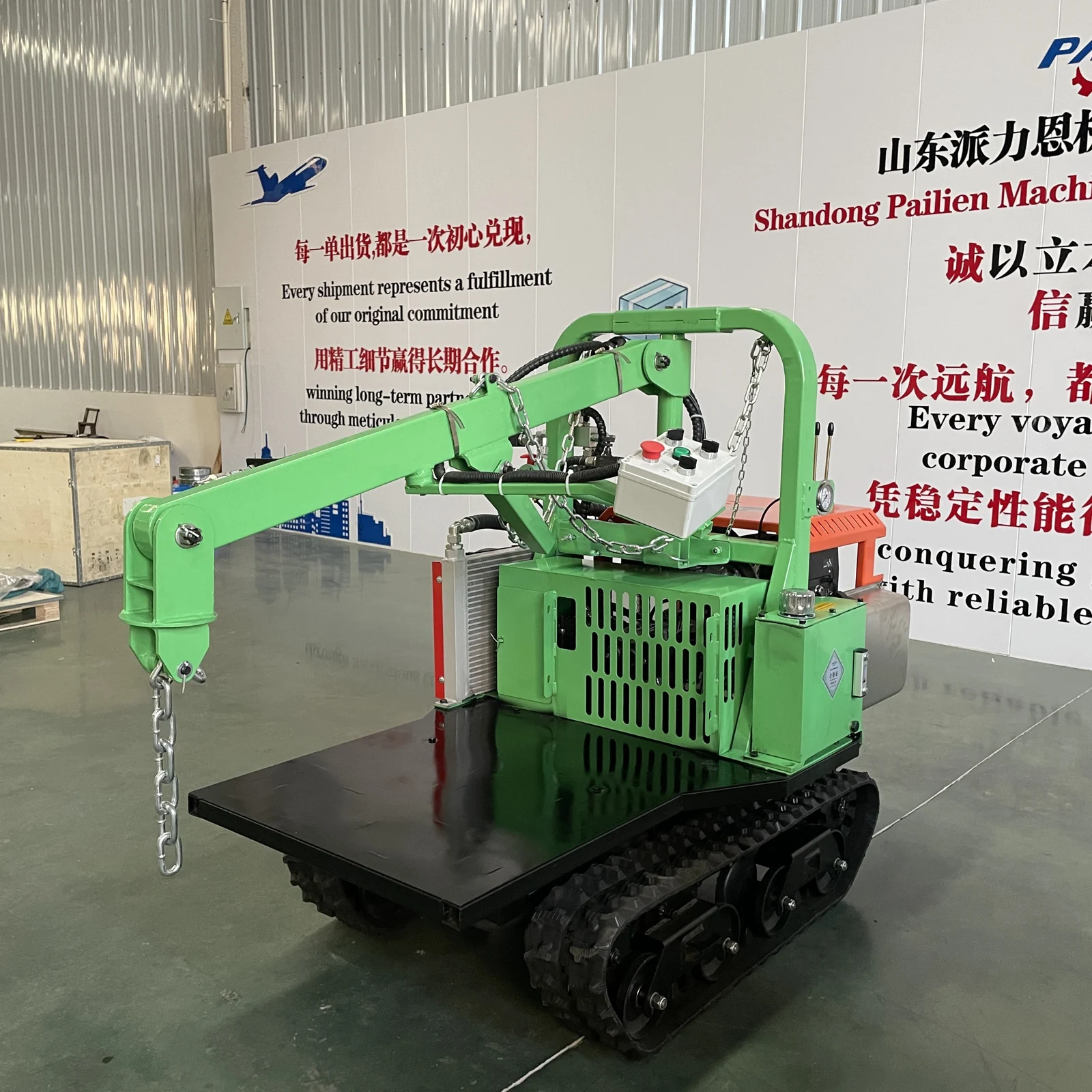
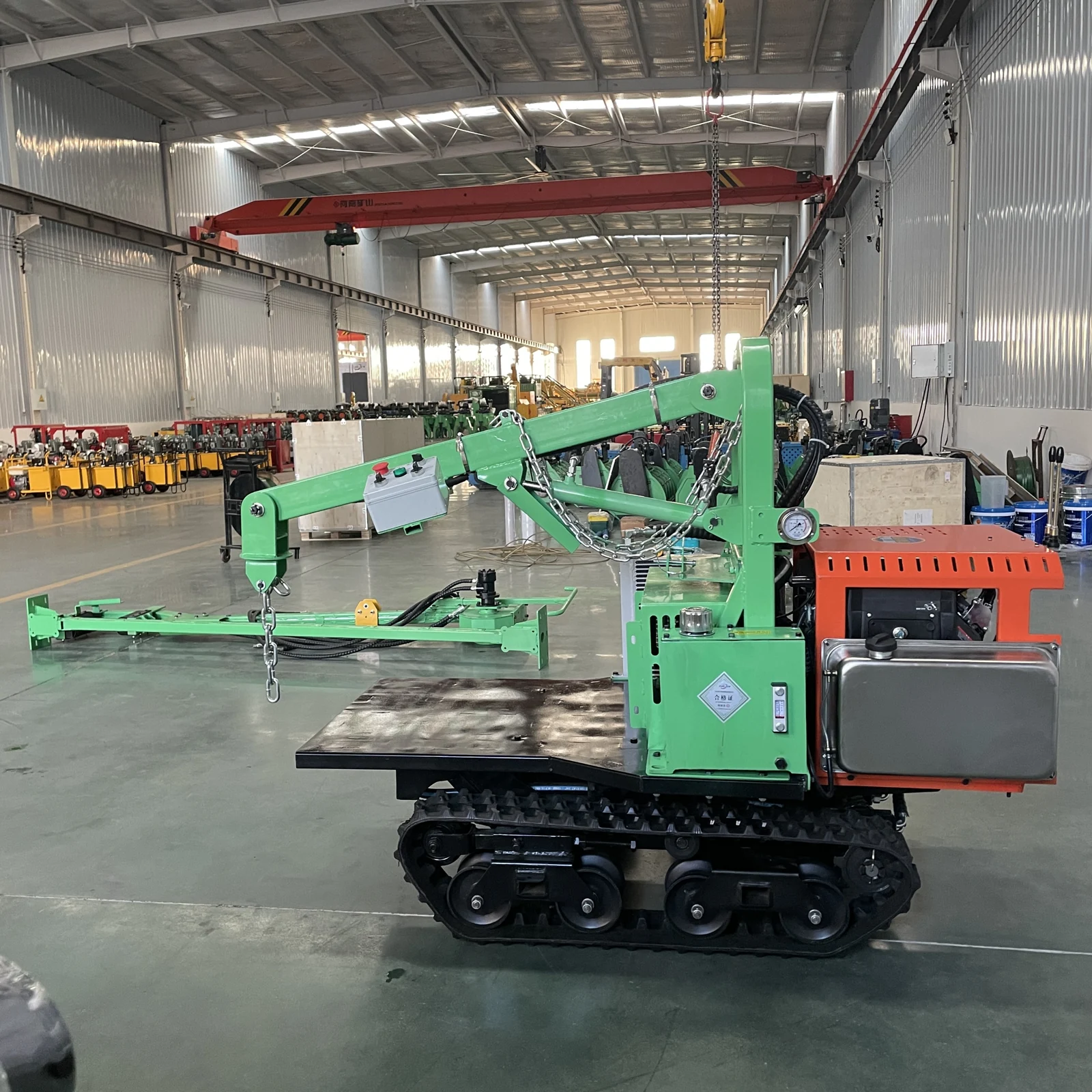
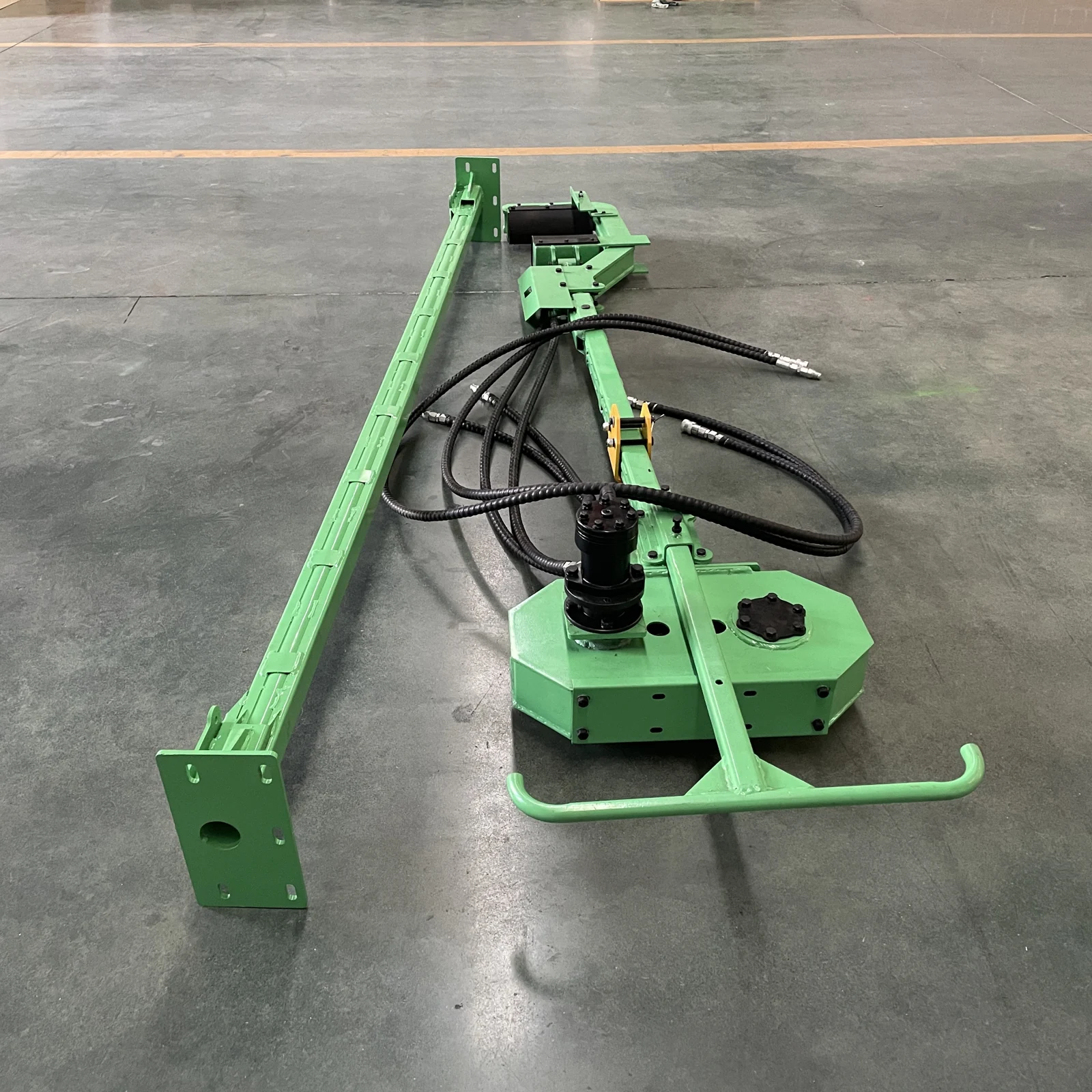
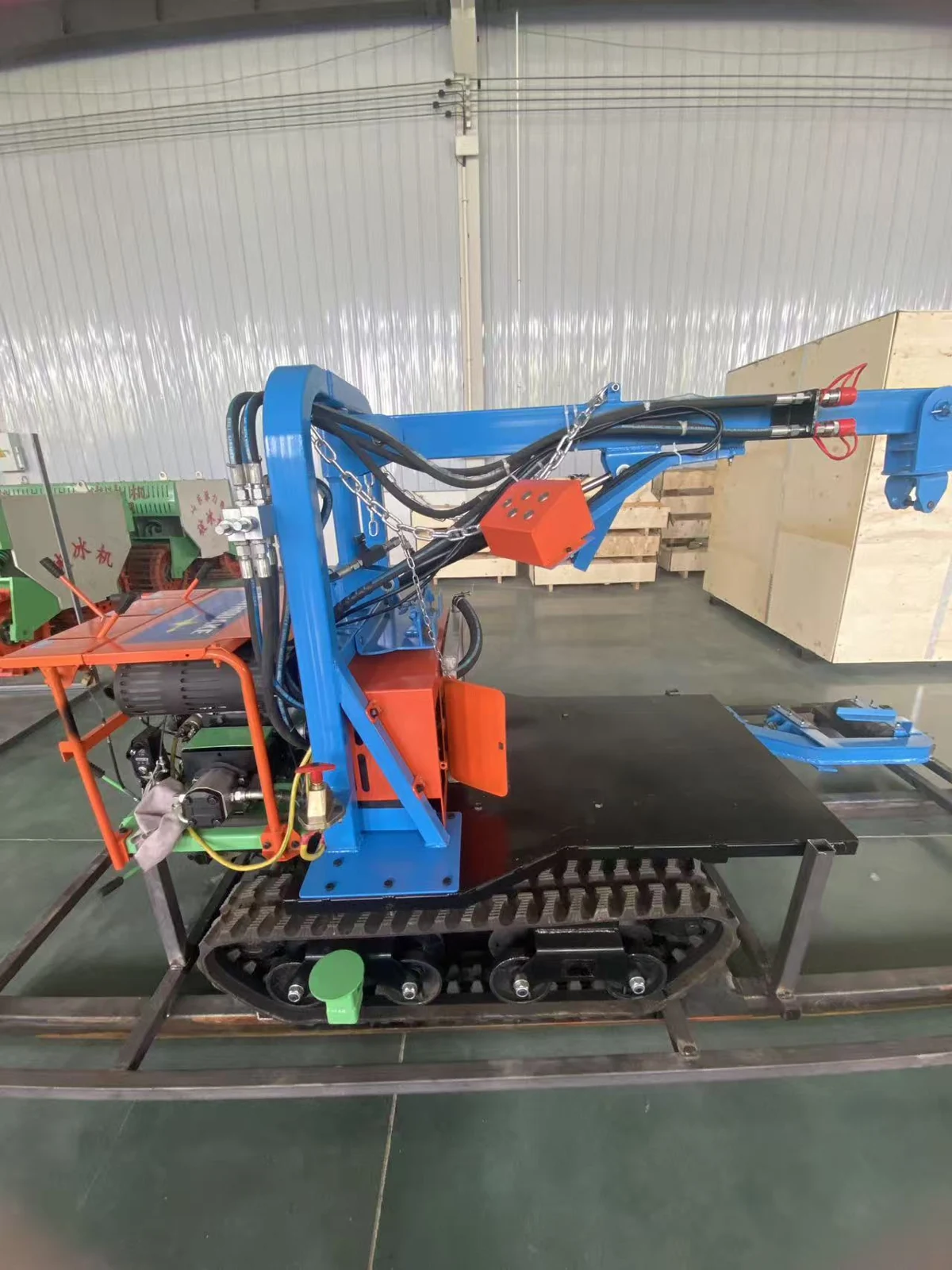
A crawler fruit shaker combines a tracked carrier with a hydraulic arm and a clamping head. You position the head at a suitable gripping section of the tree, clamp according to the operating instructions and apply the approved shaking sequence. The detached crop falls to the collection arrangement beneath the canopy. You can use this configuration as part of a net-based or prepared-ground workflow, subject to crop quality requirements.
Your decision should begin with the orchard rather than a single catalogue number. Send photographs of typical trees, your narrowest row and any low branches. Include the diameter at the intended clamp position and the usable straight section of trunk. This lets us discuss whether the head can reach and grip the tree before you spend time comparing optional equipment.
Choose the travel controls you want to use
Your operators may prefer a mechanical travel arrangement or a fully hydraulic crawler. The mechanical version described in the product materials uses manual gear selection for direction and speed. The fully hydraulic version uses hydraulic travel controls. These are different configurations: do not assume that engine power, clamp capacity or operating details are identical simply because both machines use tracks.
If you want fewer manual gear changes while moving between trees, ask us to explain the fully hydraulic controls in an operating video. If your team already uses mechanical transmissions, compare that arrangement against your expected stopping, turning and positioning tasks. Choose using the actual control sequence your operators will repeat throughout the working day.
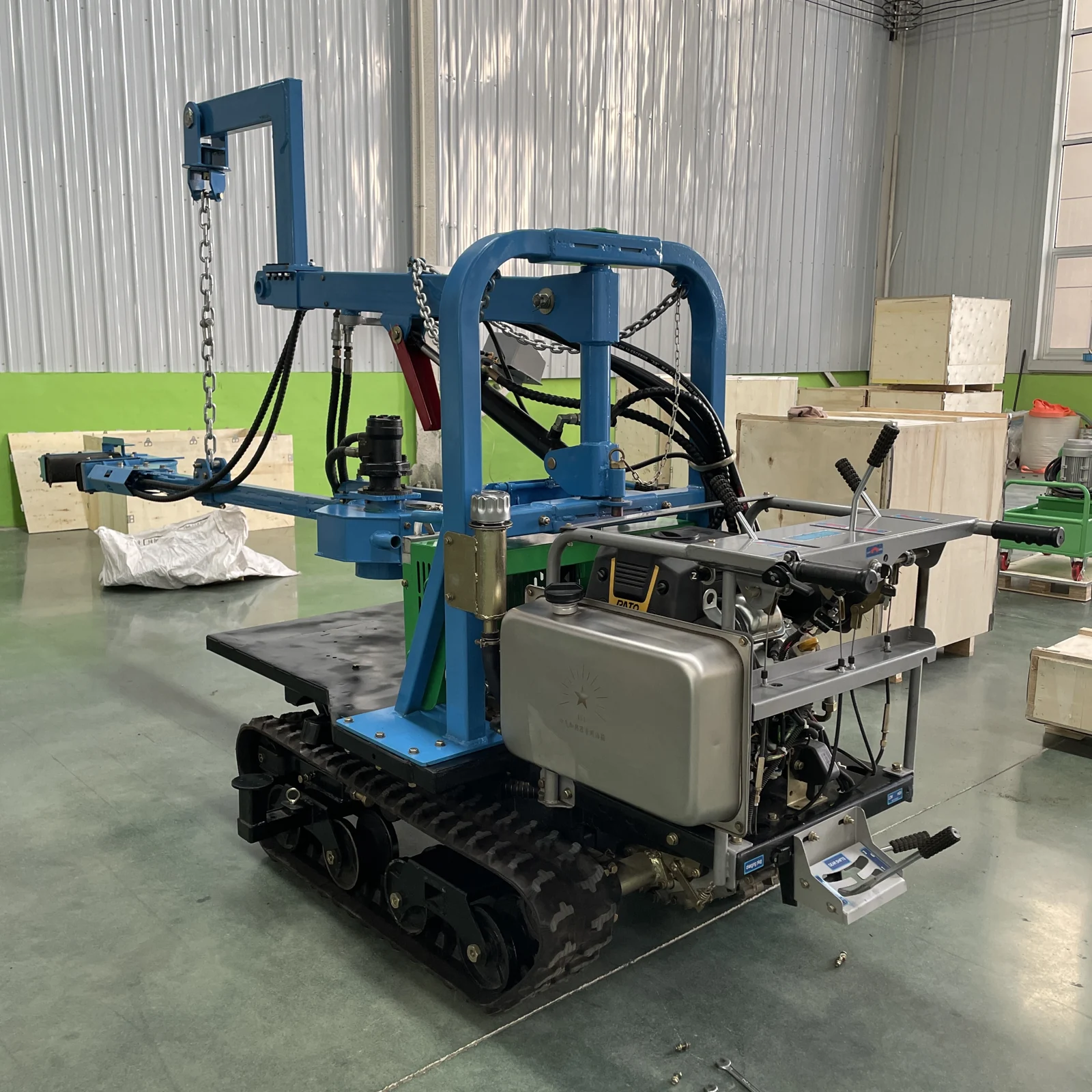
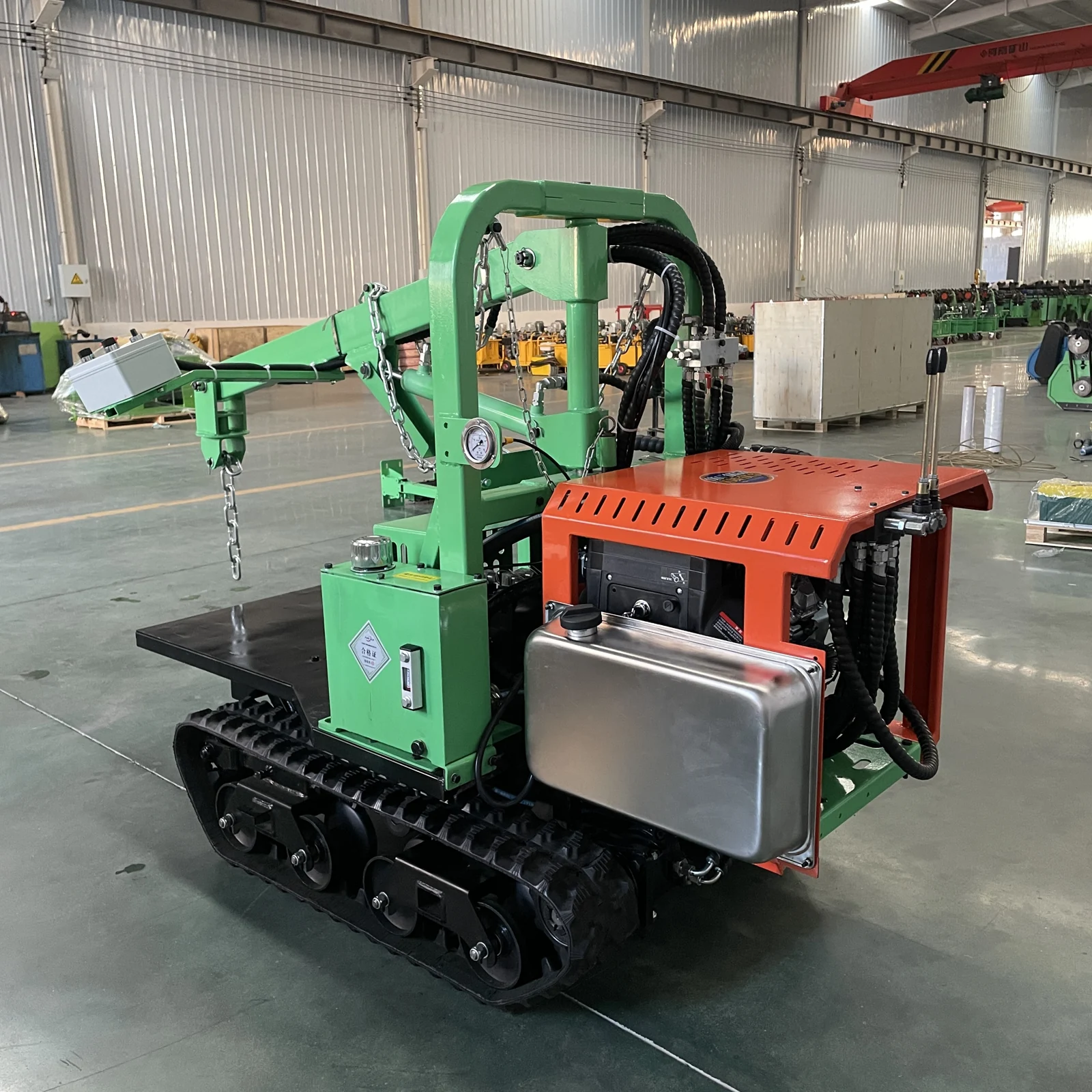
Get closer to the tree without overlooking the ground
Tracks do not remove the need to assess ground conditions. Before ordering, show us slopes, cross-slopes, ruts, soft areas and the places where the machine must turn. Your operating limits must come from the instructions for the supplied machine. We do not treat the crawler configuration as a promise that every orchard slope or wet surface is suitable.
Mark your proposed route on an orchard sketch. Include gates, row ends, drains and irrigation infrastructure. Allow space for workers and collection materials as well as the machine itself. If you move between blocks, compare transport width and loading arrangements with your trailer or delivery plan. Verify machine dimensions and loading requirements against the final build before arranging transport.
Turn a shaking trial into a useful harvest plan
You need to know what happens on your trees, not only how the machine looks in a demonstration. Select trees representing your main trunk sizes, canopy forms and crop maturity. Record the crop detached, the fruit remaining, collection losses and the condition of the trunk and harvested material. Use the results to agree a suitable operating method.
Time the complete cycle from leaving one tree to being ready to leave the next. Include approach, head positioning, net preparation, clamping, shaking, release and collection. A vibration duration is only one part of that sequence. If moving nets or clearing containers takes longer than shaking, address that stage before expecting a different shaker to increase your overall output.
Keep your collection method working with the crawler
If you already collect onto nets, tell us how those nets are spread, moved and emptied. Review where the tracks will travel so collection materials do not obstruct the route. Give your crew a clear position during approach and shaking, following the exclusion zones and instructions supplied with the equipment.
If your main difficulty is collecting fruit after it falls, compare the separate page on fruit shakers with collection umbrellas. An umbrella changes the working envelope and discharge sequence; it is not simply an accessory that can be assumed to fit every crawler. We can review your canopy clearance, collection preference and available configurations before you choose between the two workflows.
Prepare your operators before the harvest window
Your team needs to understand more than the shaking controls. Before the season, walk through the planned route and identify where workers, nets and containers will be positioned. Use the supplied instructions to agree the approach, stopping and release sequence. Keep people clear of moving equipment and the falling-crop area as directed by the machine manual. Assign responsibility for checking that the next tree is ready before the carrier moves.
Ask for an operating video that matches your travel configuration. A mechanical-transmission demonstration should not be used as the only guide for a fully hydraulic machine, or vice versa. Make sure the person who will operate the equipment has reviewed the actual controls and knows where to find maintenance and troubleshooting information.
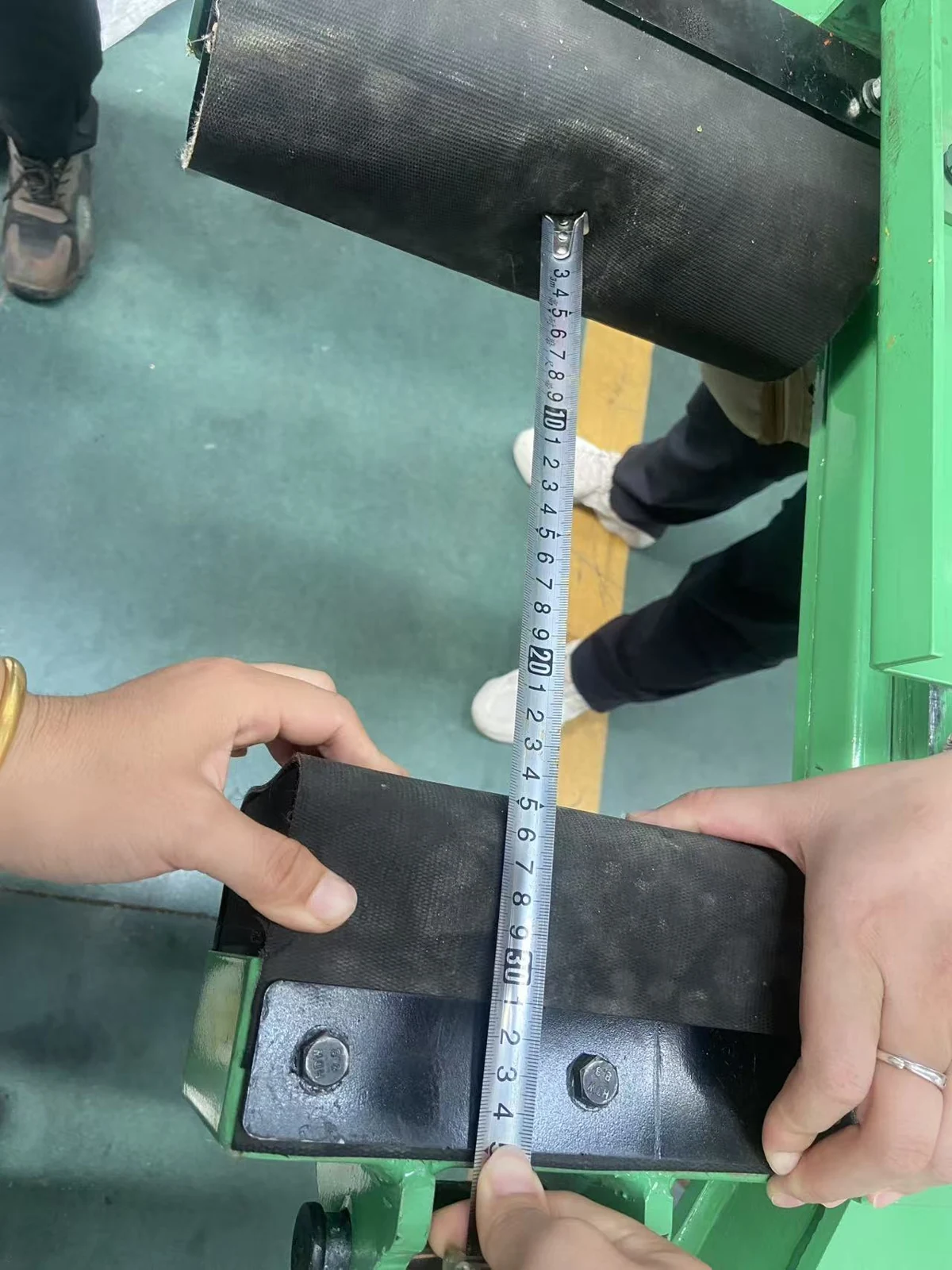
You can also prepare a simple seasonal record for your own crew. Record the machine identification, daily inspections, pad condition and any component that needs attention. Note the crop and orchard block when recording a trial or reporting an issue. Clear information makes your service enquiry more useful and helps distinguish a positioning problem, a collection delay and a maintenance concern. Confirm recommended service parts and their lead times before the period when your machine is needed most.
COMPARE YOUR CONFIGURATION
PLE-428 fully hydraulic crawler reference
| Specification | Reference value |
|---|---|
| Travel | Self-propelled crawler |
| Listed engine | 26 hp twin-cylinder gasoline |
| Listed weight | 766 kg |
| Listed maximum clamp diameter | 250 mm |
| Listed vibration frequency | 8-12 Hz |
| Listed clamp amplitude | Less than 2 cm |
These values refer to the PLE-428 fully hydraulic specification sheet. Mechanical-travel versions and other builds must be specified separately. Confirm dimensions, engine options and the current supplied configuration in your quotation.
YOUR ORCHARD HARVESTING PARTNER
Your support from selection to seasonal maintenance
You can ask PAILIEN to review your orchard photographs, measurements and collection method before a configuration is proposed. We help you identify the information needed to compare travel systems, head access and engine requirements. Share your destination market early so available engine and emissions options can be checked for the proposed machine.
Before delivery, request the transport dimensions, packing details and operating information for your build. Use operating videos to familiarise your team with the controls alongside the supplied manual. For maintenance enquiries, send the model, serial number and clear photographs of the component. We can check the fitted clamp pads, seals and other service parts and confirm availability and lead times for your seasonal requirements.
- Orchard fit review
- Configuration support
- Delivery and operating information
- Parts and maintenance enquiries
Your questions, answered
Will a crawler fruit shaker fit my narrow rows?
Send the narrowest clear width, turning space and trunk position. Machine width is only the starting point: your arm movement, collection materials and worker clearance also need room. We review those conditions against the proposed configuration before recommending a setup.
Does fully hydraulic mean every function is automatic?
No. Fully hydraulic travel describes the travel configuration. Your operator still follows the approved sequence for positioning, clamping, shaking and release. Confirm the controls and included functions for the specific machine rather than assuming an automatic harvesting cycle.
Can you choose an engine for my market?
Tell us your preferred fuel type and the emissions documentation required at your destination. Product materials describe engine options, but availability and compliance documents must be checked for the quoted build. Confirm the installed engine before placing your order.
How do you estimate the crew I will need?
Start with a trial of your complete workflow. Measure positioning, shaking, net handling, crop collection and container transport. Your crew requirement depends on those steps and your quality target; a shaking demonstration alone cannot establish labour savings for your orchard.
PAILIEN
Let us help with your harvest challenge
Tell us where your current harvesting process slows down. Send tree photographs, trunk measurements, row access, ground conditions and your collection method. We will review the crawler configuration and the next checks needed for your orchard.