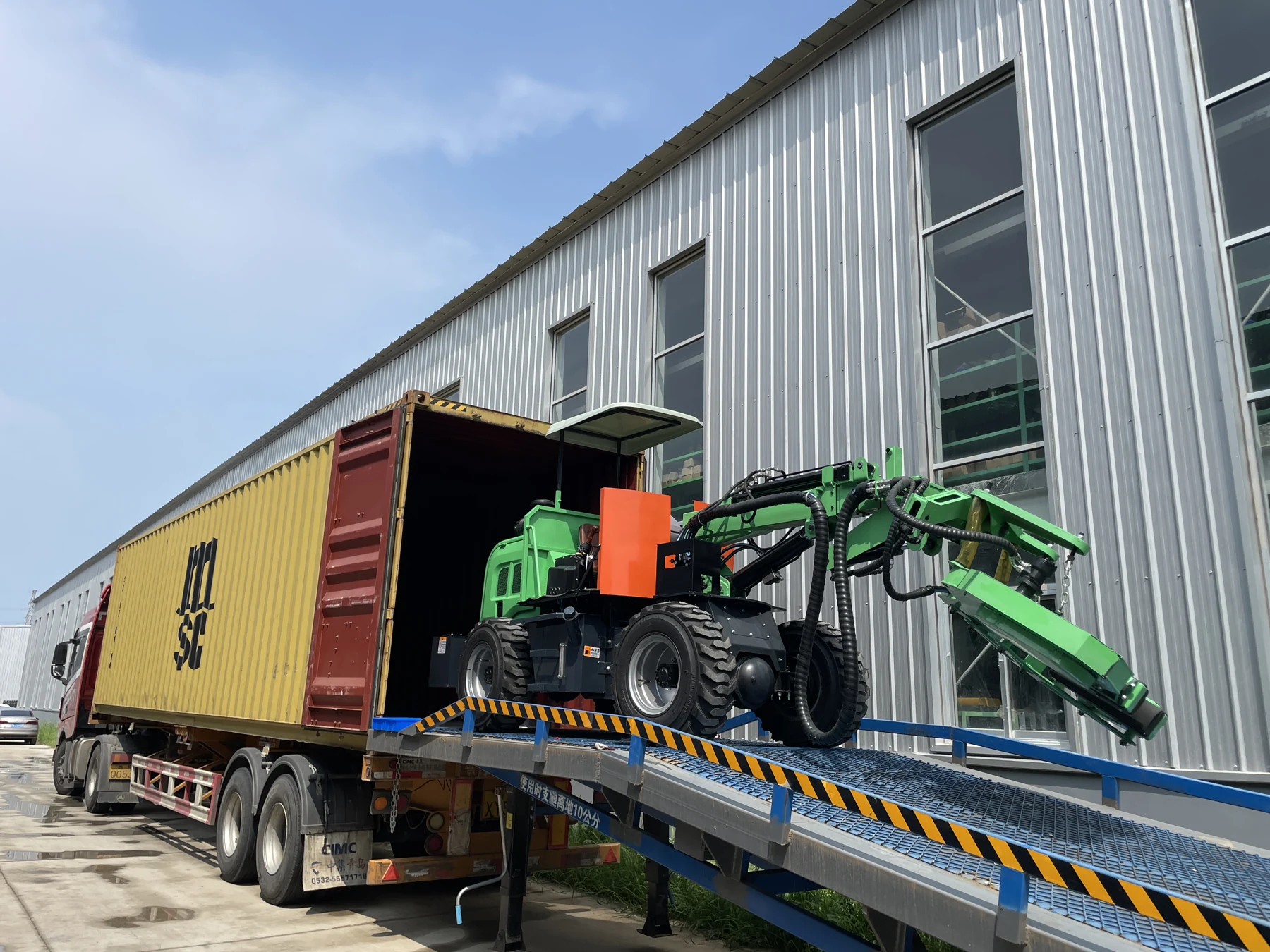
SELF-PROPELLED TREE SHAKING
Loader-Type Fruit Shakers
Your partner for matching a fruit shaker to larger trunks and difficult gripping positions. This self-propelled tree shaker combines a wheeled carrier and hydraulic shaking arm, with configuration and service support around your orchard.
- Compare 28 and 48 configurations against your trunks
- Review arm access before selecting the machine
- Match shaking to your existing collection workflow
START WITH YOUR HARVEST CHALLENGE
Solve the fit and positioning questions first
Your tree sizes vary across the orchard
Your largest trunk matters, but so do the smaller trees and the shape of the gripping section. We help you compare the listed 28 and 48 configurations using measurements taken where the clamp will actually sit. This gives you a better basis for selection than measuring the trunk at an unrelated height.
Your operator spends time finding a grip
Low branches, irrigation supports and an awkward approach can slow the work before shaking starts. Send photos from the machine approach direction. We review the arm and head position with your available space so you can identify access problems before committing to a machine.
You need more than a shaking demonstration
You want the machine to support a working harvest crew. We help you review how the crop will be caught, gathered and moved after detachment. If collection remains your main bottleneck, compare an umbrella configuration as part of the same equipment discussion.
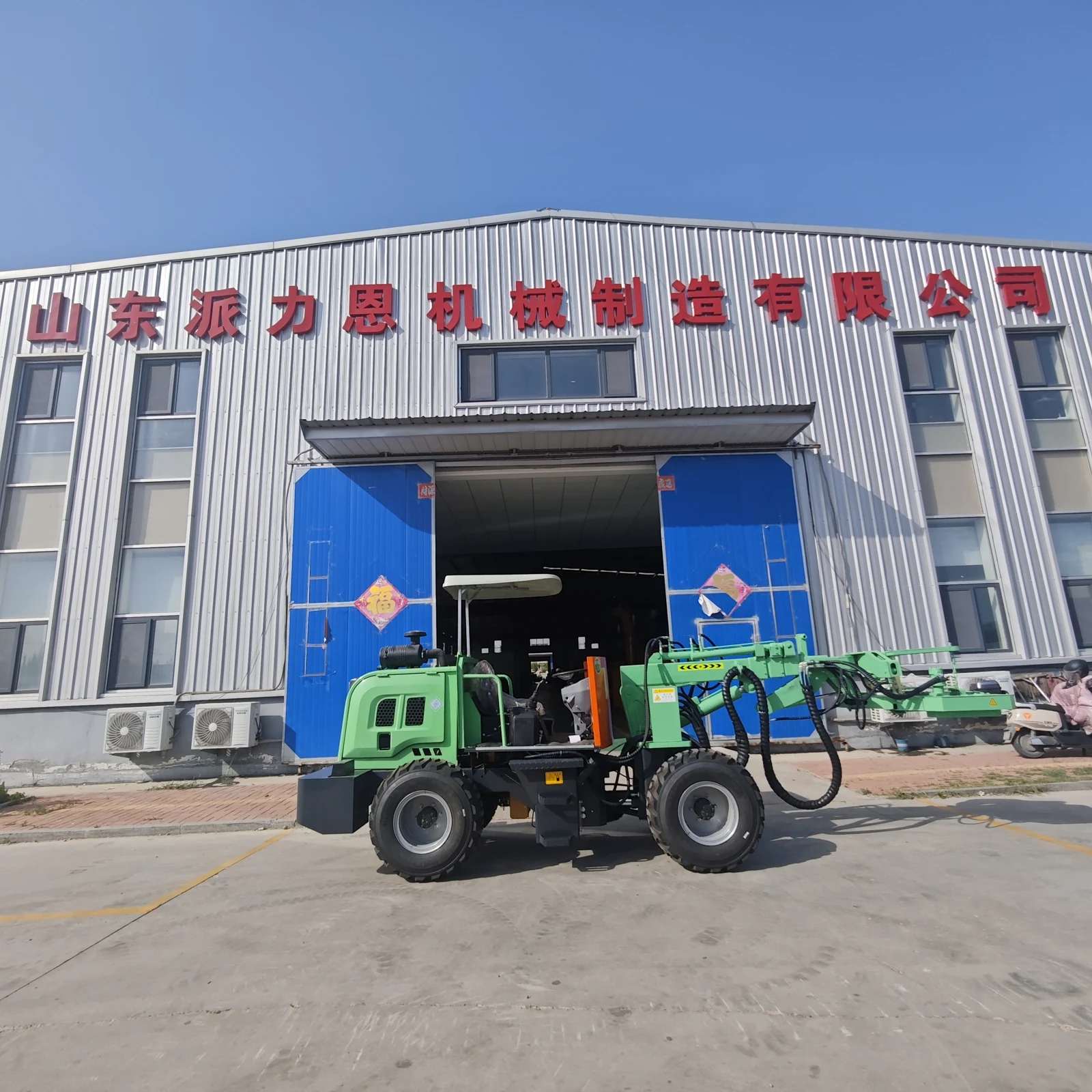
A complete wheeled machine for your harvest operation
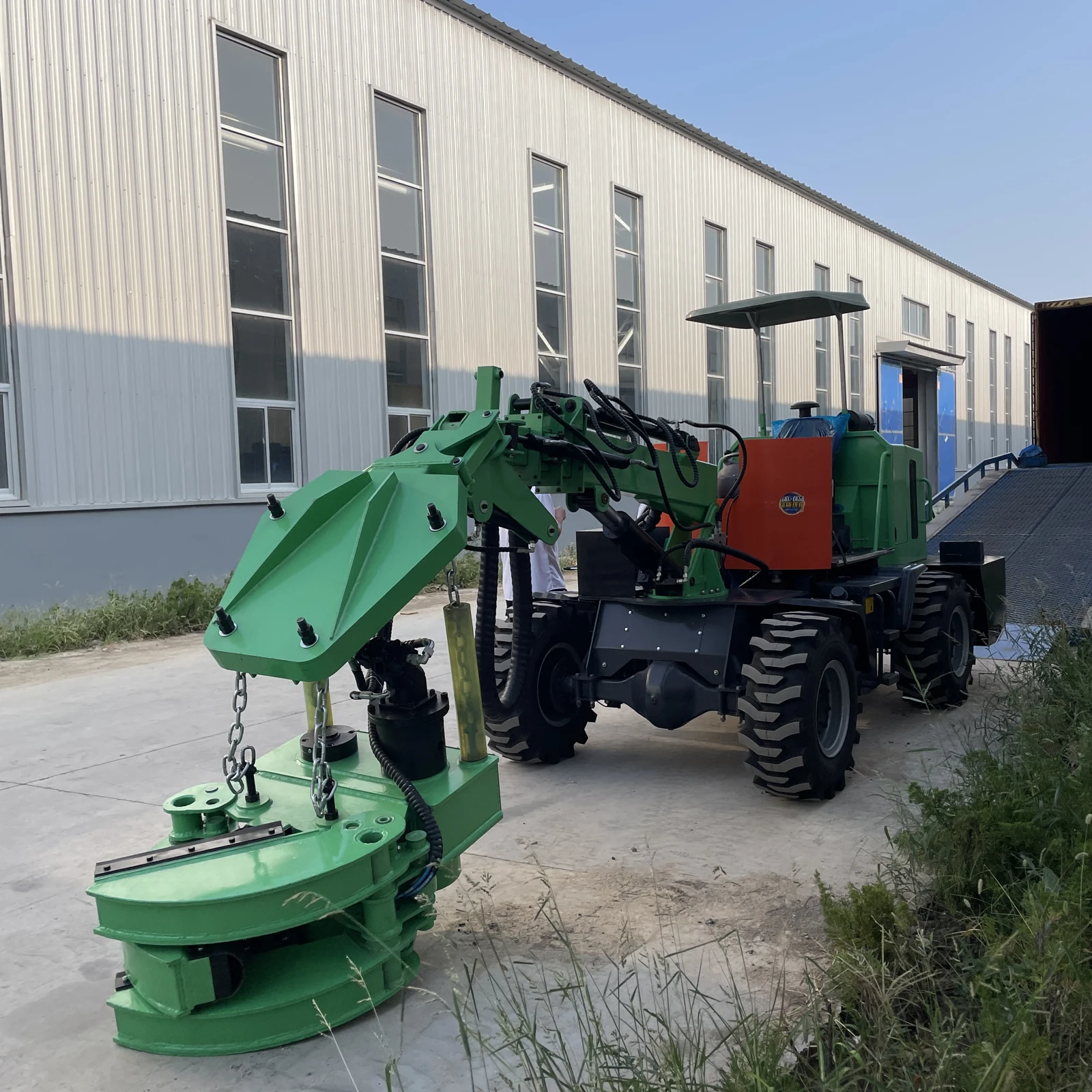
The PAILIEN loader-type fruit shaker shown here is a self-propelled wheeled machine with a hydraulic arm and clamping head. You drive the carrier into position, align the head with a suitable trunk section and carry out the approved clamping and shaking sequence. This page covers the complete machine, so you can assess its access, engine and transport requirements together.
If you already own a loader and want a separate attachment, make that requirement clear when you enquire. Your existing carrier would need its own mounting and hydraulic compatibility review. A photograph of a complete loader-type fruit shaker does not establish that the same head can be fitted directly to your loader, tractor or excavator without further checks.
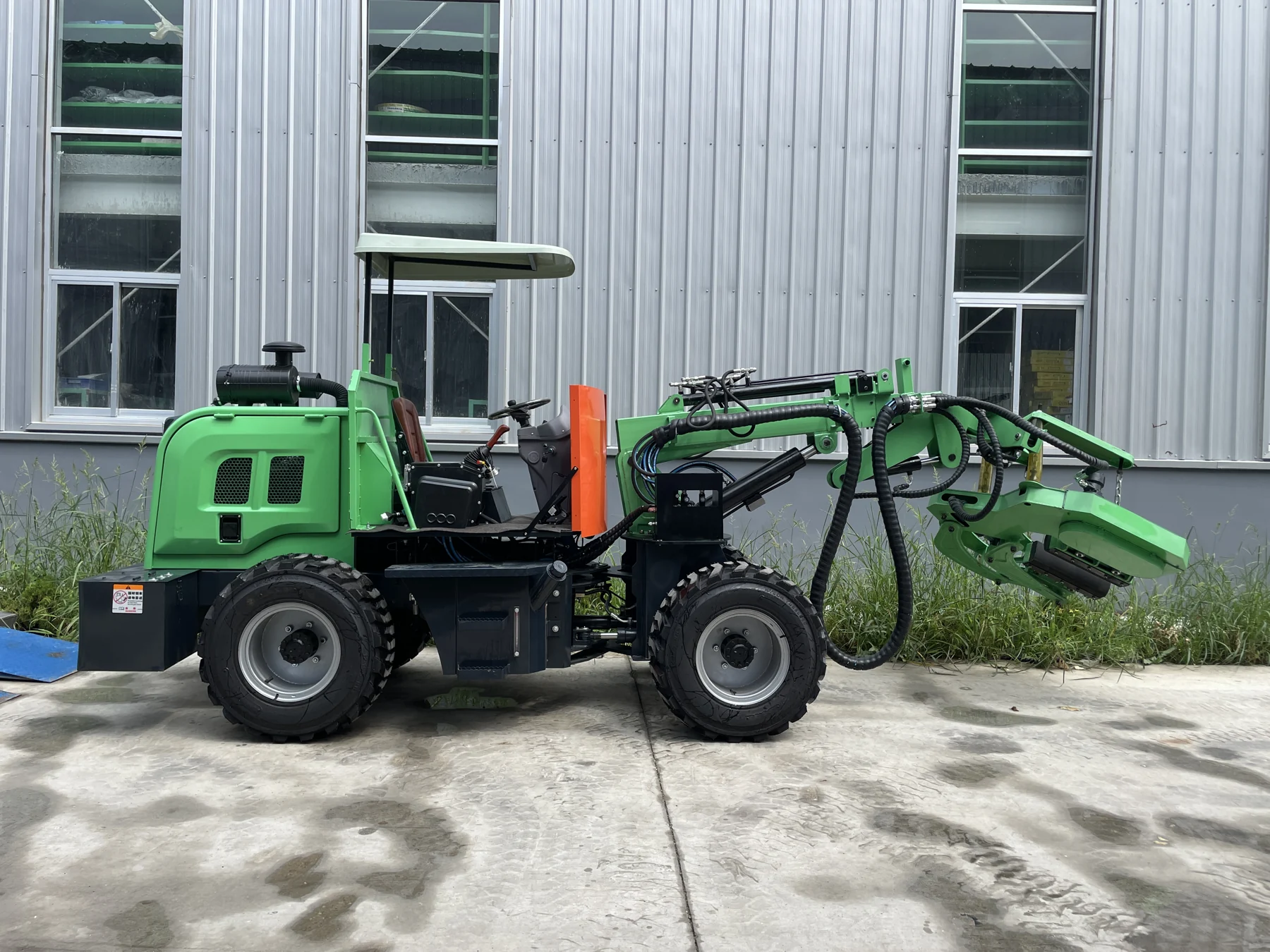
Choose the clamp around your actual gripping position
Start with the diameter where the pads will contact the trunk. Send the largest and smallest measurements you need to cover, together with photographs of trunk shape, bark condition and branching height. A forked or irregular trunk may need a different assessment from a straight trunk with the same measured diameter. You also need enough clear length for the head to sit correctly.
The separate PLE4YG-28 and PLE4YG-48 parameter graphics list different maximum diameters and arm-extension figures. Treat these as configurations to compare, not a promise that the larger designation is always better for your orchard. Your head clearance, approach direction and row-end space may be more restrictive than trunk size. We help you work through those constraints before specifying your machine.
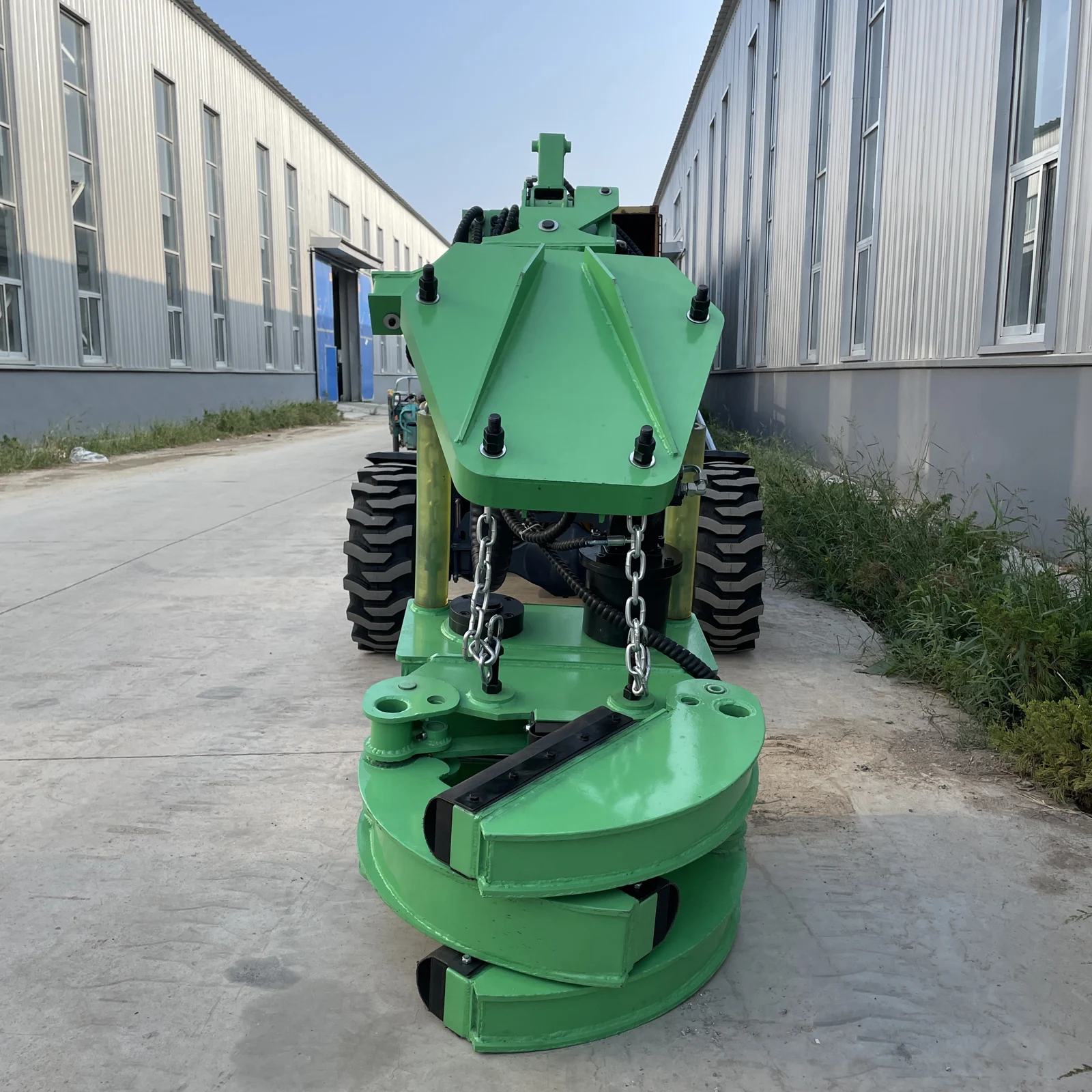
Make positioning easier to plan before the machine arrives
Your operator needs a clear approach and an unobstructed view of the gripping area. Show us the direction in which you expect to work along each row, the position of the trunks relative to that route and any branches projecting into the machine path. Include narrow gateways, row ends and the places where containers or workers will stand.
Ask for the dimensions and arm information applicable to the proposed build. A reach figure alone does not describe the entire working envelope, and an illustration of tree height should not be used as a guaranteed clamp-reach measurement. Review the intended gripping position with a drawing or demonstration of the actual configuration. That is the useful information for deciding whether your machine can approach and hold the tree.
Use a trial to protect your crop-quality target
Tell us whether you harvest olives, nuts or fruit intended for processing, and explain the quality standard at the next handling stage. Your detachment result depends on variety, maturity, tree form and the chosen operating method. Collection impact and later handling can also affect the crop. A machine demonstration on another orchard is useful background, but your own representative trees need assessment.
During the trial, record the fruit removed, material remaining and any visible change to the trunk, branches or harvested crop. Follow the operating instructions for the supplied clamp and control system. Do not assume that the highest available vibration frequency is the correct setting. Agree a method that considers detachment and tree and fruit condition together rather than judging the trial on speed alone.
Keep shaking, net handling and transport in balance
A loader-type shaker handles the detachment stage. If you collect onto nets or prepared ground, your crew still needs a safe and organised method for gathering the crop and moving containers. Plan where the carrier can travel without running across collection materials or entering the space needed by workers. Review these positions before beginning the trial.
Measure the complete time at each tree, including approach, head alignment, clamping, shaking, release, collection and the move onward. If the operator waits for empty containers or nets to be cleared, improving that support process may matter more than shortening the vibration sequence. If you want to combine catching with shaking, compare a fruit shaker with a collection umbrella and check its opening and discharge requirements separately.
Prepare your operator and service plan
Before the machine enters regular work, give your operator time to review the actual controls and practise the approved positioning sequence. Identify who manages nets and containers, how that person stays outside the working area and how the operator knows the receiving arrangement is ready. Use the supplied manual for exclusion zones and operating limits. A well-defined handover between tasks helps your crew work consistently without relying on assumptions.
Your maintenance plan should cover the fitted engine and hydraulic equipment as well as the clamping head. Record the machine identification and keep photographs of service items with your equipment information. Before ordering replacements, check the exact installed components rather than choosing a part only because another machine carries a similar model name.
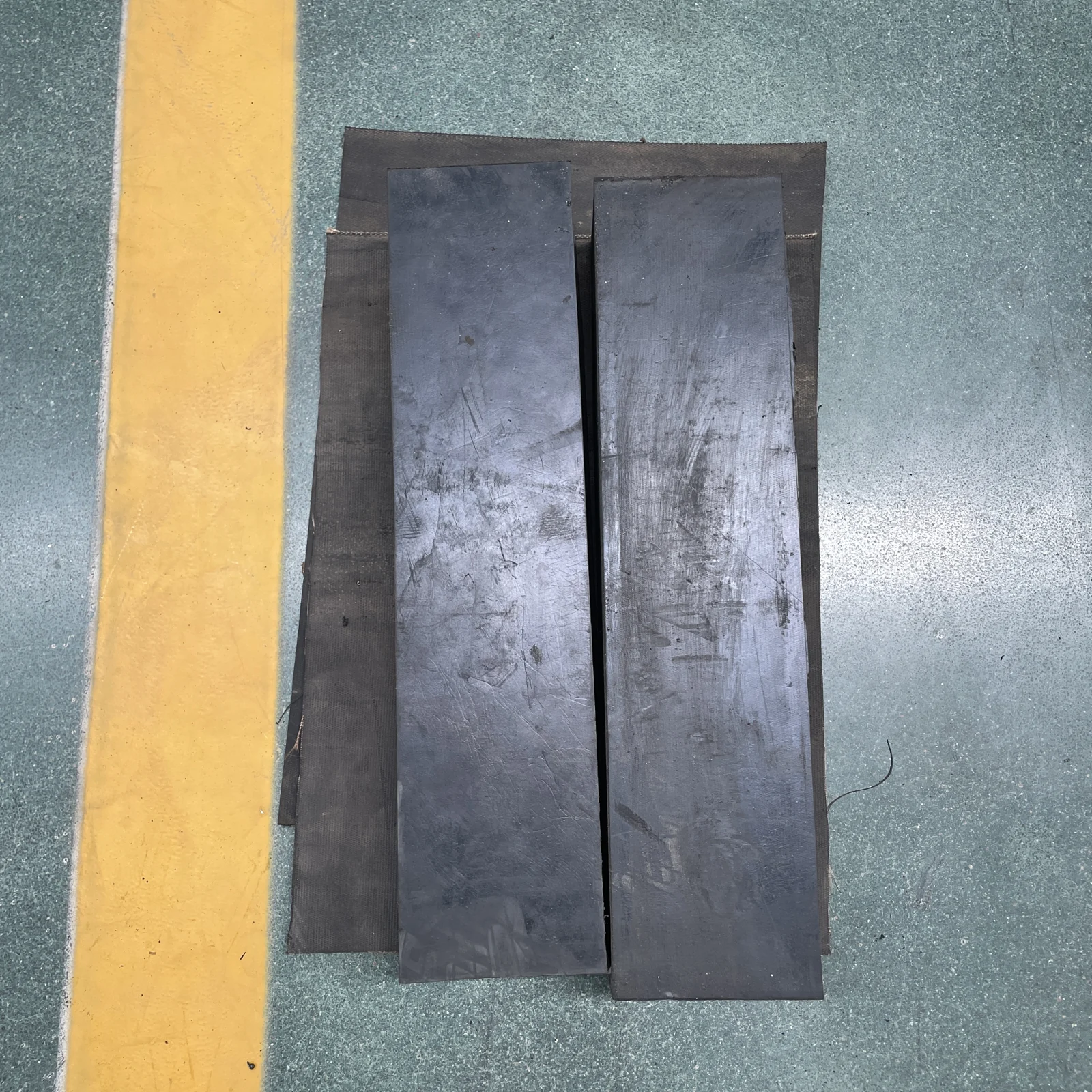
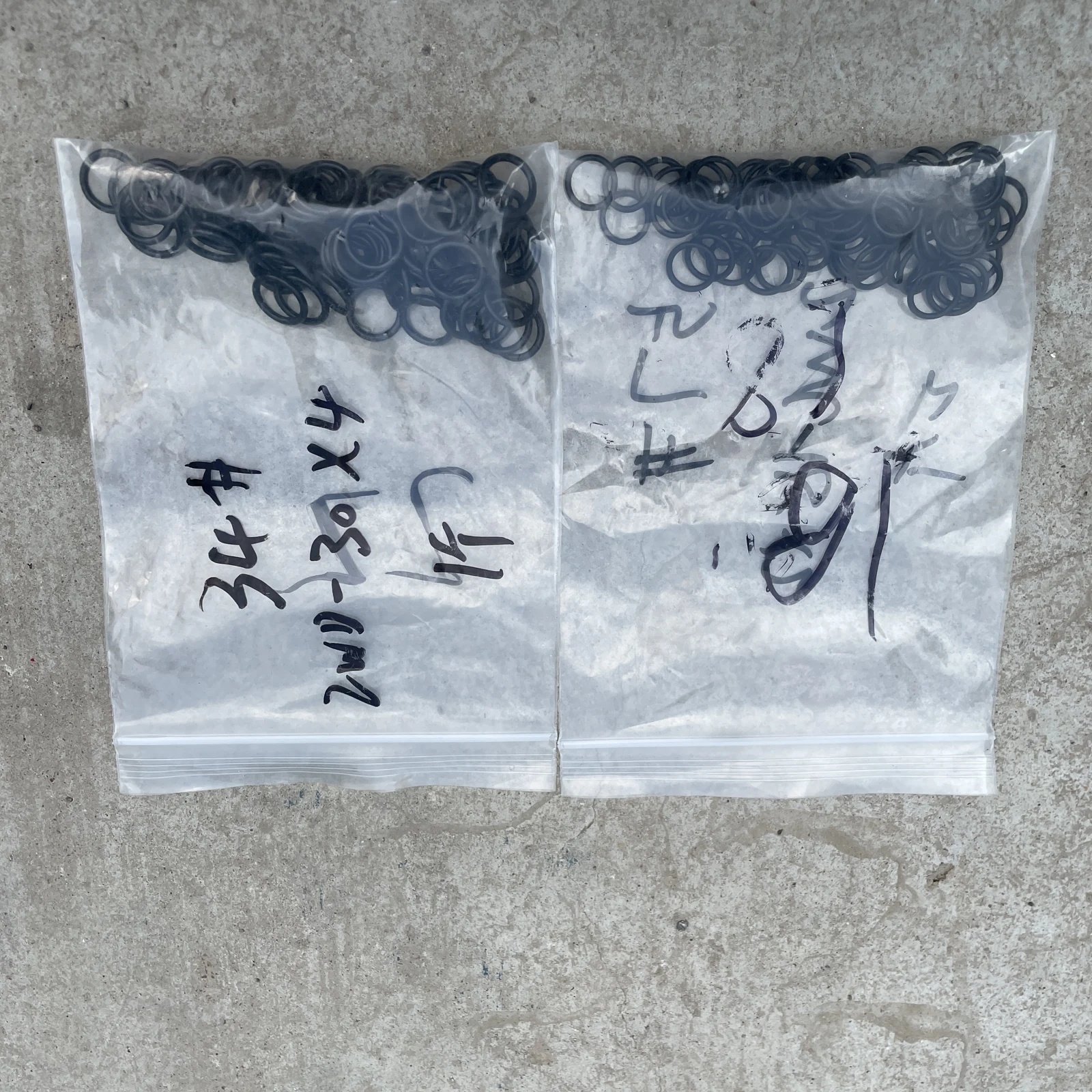
If your orchard work is concentrated into a short season, ask about replacement pad and seal availability early. Confirm which parts are recommended for your configuration and what delivery time you should allow. That gives you a practical service plan around the weeks when you need the shaker, alongside the transport and collection arrangements you have already prepared.
COMPARE YOUR CONFIGURATION
Compare the listed loader-type configurations
| Specification | PLE4YG-28 | PLE4YG-48 |
|---|---|---|
| Maximum clamp diameter | 280 mm | 480 mm |
| Listed engine power | 37.0 kW diesel | 36.8 kW diesel |
| Listed dimensions (L x W x H) | 5400 x 1500 x 2200 mm | 5750 x 1500 x 2200 mm |
| Listed net weight | 2,230 kg | 2,830 kg |
| Listed arm-extension figure | up to 2000 mm | up to 1500 mm |
| Listed vibration frequency | 15-25 Hz for both listed builds | 15-25 Hz for both listed builds |
Values refer to the separate PLE4YG-28 and PLE4YG-48 parameter graphics supplied with the product materials. The older 4YG-28 sheet describes different values and is not combined here. Confirm the exact build, measurement definitions and included equipment with your quotation.
YOUR ORCHARD HARVESTING PARTNER
Your equipment partner before and after delivery
Bring your orchard measurements to PAILIEN before choosing a configuration. We can review trunk sizes, approach photographs and collection plans with you, then explain which machine information needs to be confirmed. If you require a particular engine, operator enclosure or destination-market documentation, include those requirements at the beginning so the available options can be checked.
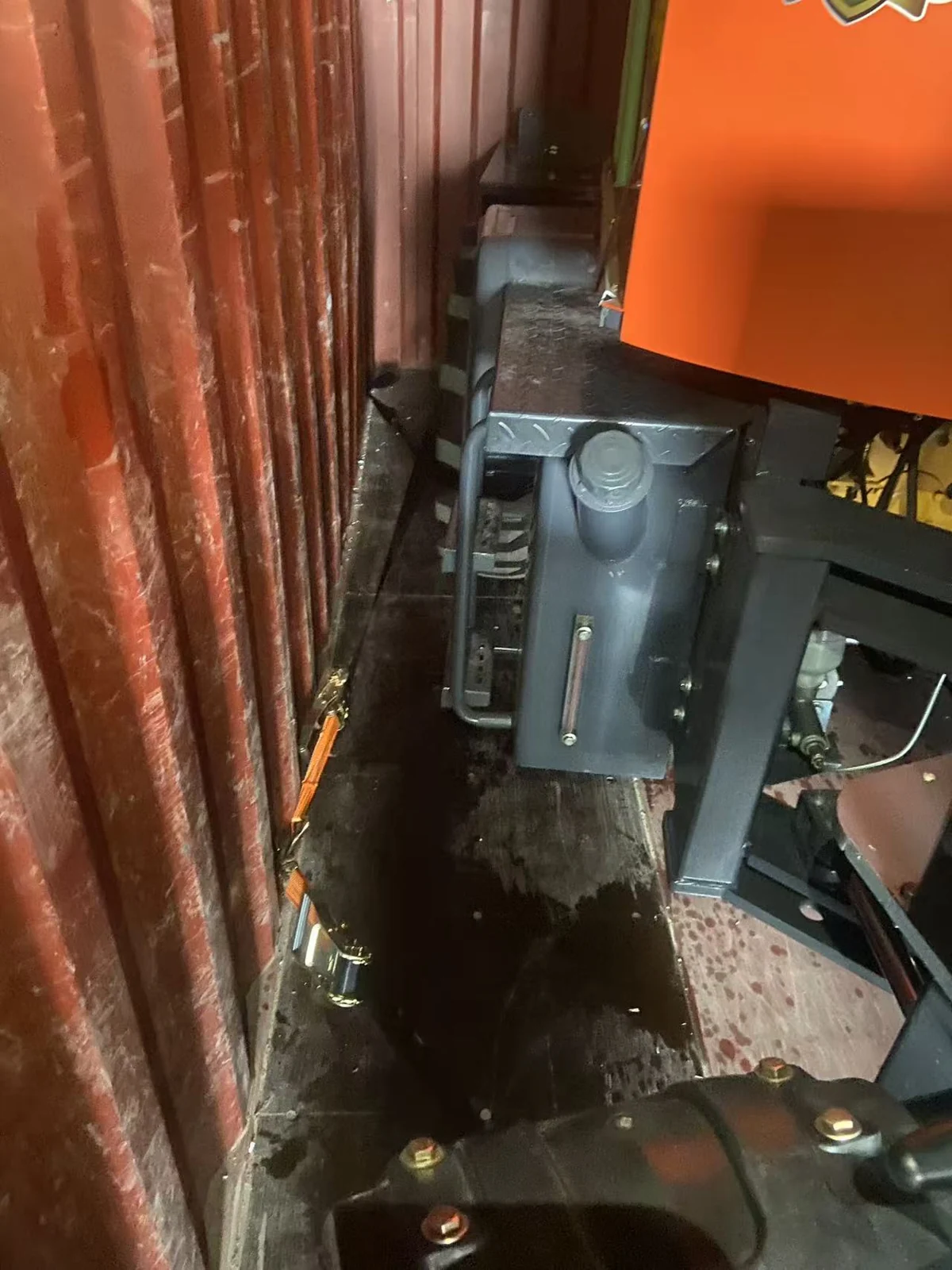
Before dispatch, confirm the supplied configuration, transport dimensions, packing and unloading arrangements. Request operating information for the exact controls installed on your machine. During the season, use the model, serial number and clear part photographs when requesting maintenance help. We can check the fitted components and discuss replacement clamp pads, seals and other service items, including availability and lead times.
- Orchard fit review
- Configuration support
- Delivery and operating information
- Parts and maintenance enquiries
Your questions, answered
Is this a loader attachment or a complete fruit shaker?
This page presents the complete self-propelled wheeled fruit shaker. If you want to use an existing loader, request an attachment review separately and provide its mounting and hydraulic details. Do not assume that the pictured complete machine is an attachment package.
Should you choose the 28 or 48 configuration?
Compare your actual gripping diameters, trunk shape, available clearance and the proposed arm position. The larger listed maximum diameter is only one selection factor. Review the complete working space and current specifications before deciding which configuration fits your orchard.
Can it work with low branches or multiple stems?
Send photographs of those trees with a visible scale and indicate the intended gripping point. Clearance and clamp contact need individual review. An acceptable diameter alone does not establish that the head can reach or safely grip a forked or obstructed trunk.
How can you plan transport to your orchard?
Request the shipping dimensions and weight of your quoted build, including the position of the arm during transport and any separate equipment. Share your unloading facilities and access route. Confirm these details before booking a vehicle or arranging lifting at the destination.
PAILIEN
Let us help with your harvest challenge
Show us the trunk sizes and positioning problems your crew faces. Send orchard photos, the desired gripping location, row-end space and collection method. We will help you compare loader-type configurations around your actual work. Include your delivery access and unloading facilities so transport can be reviewed with the machine configuration.