
SHAKE · CATCH · DISCHARGE
Fruit Shakers with Collection Umbrellas
Your orchard harvesting partner when catching and gathering fruit slows the job. Combine a hydraulic fruit tree shaker with a catch umbrella, with the configuration reviewed for your olive or nut harvesting workflow, canopy and containers.
- Catch detached crop beneath suitable trees
- Review the full opening space before you order
- Coordinate discharge with your bins and transport
START WITH YOUR HARVEST CHALLENGE
When fruit collection holds your harvest back
Your crew keeps moving nets
If preparing and moving collection sheets takes more time than shaking, you need to review the catching step. An opening umbrella can offer a different collection workflow on suitable trees. We help you compare its working space and discharge sequence with the manual net handling you currently use.
Your crop falls into a difficult collection area
You want to intercept the detached crop beneath the canopy rather than rely entirely on gathering it from the ground. We review trunk position, low branches and the intended canopy coverage with you. The result still needs a crop trial to assess catch losses and fruit condition.
Your machine waits for the next container
Catching the crop does not finish the harvest. Your collection system needs a practical receiving container and a clear way to empty it. We help you include discharge, bin changes and onward transport when assessing the proposed machine, rather than focusing only on the shaking step.
Your shaking and collection workflow, planned together
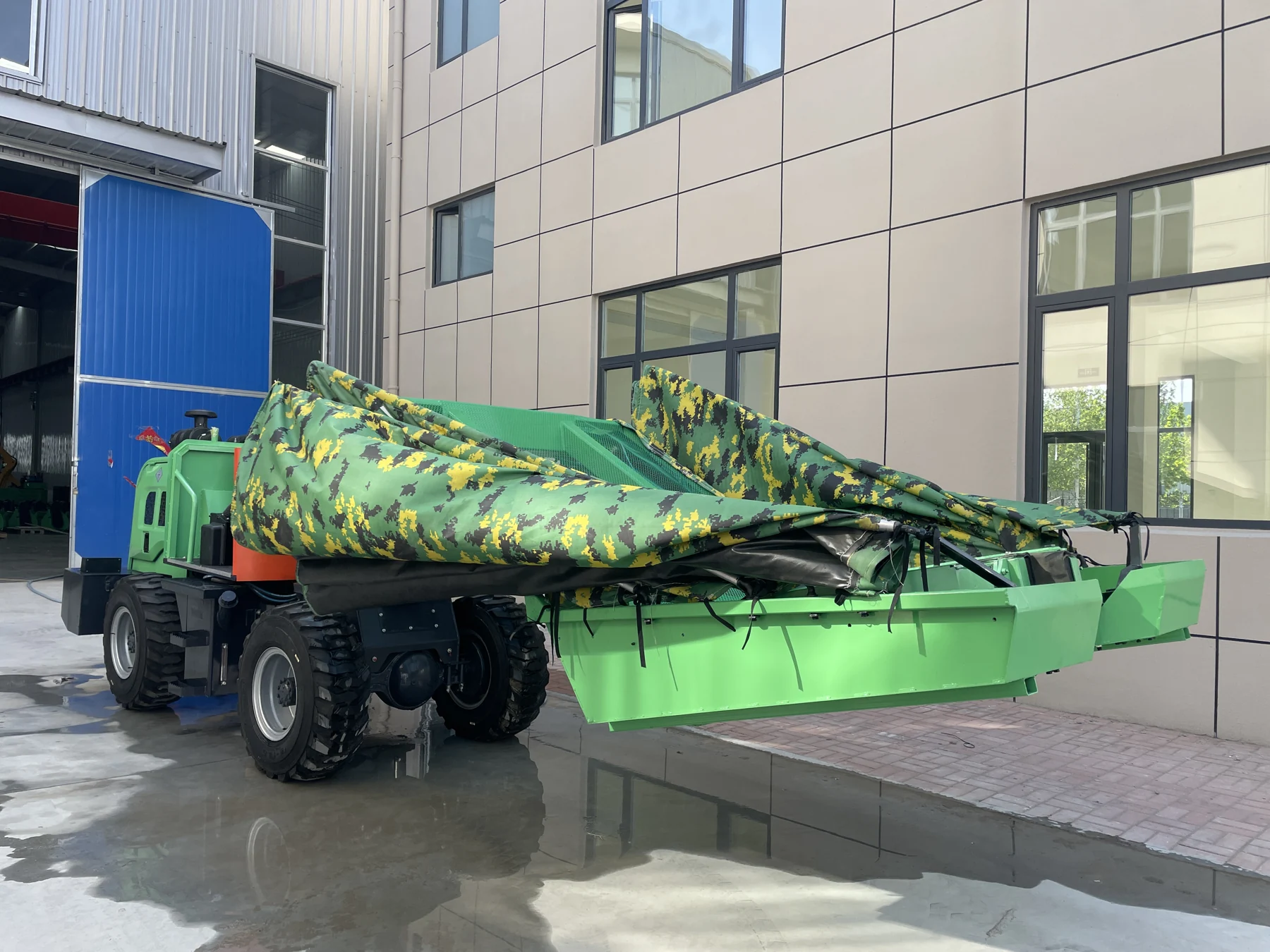
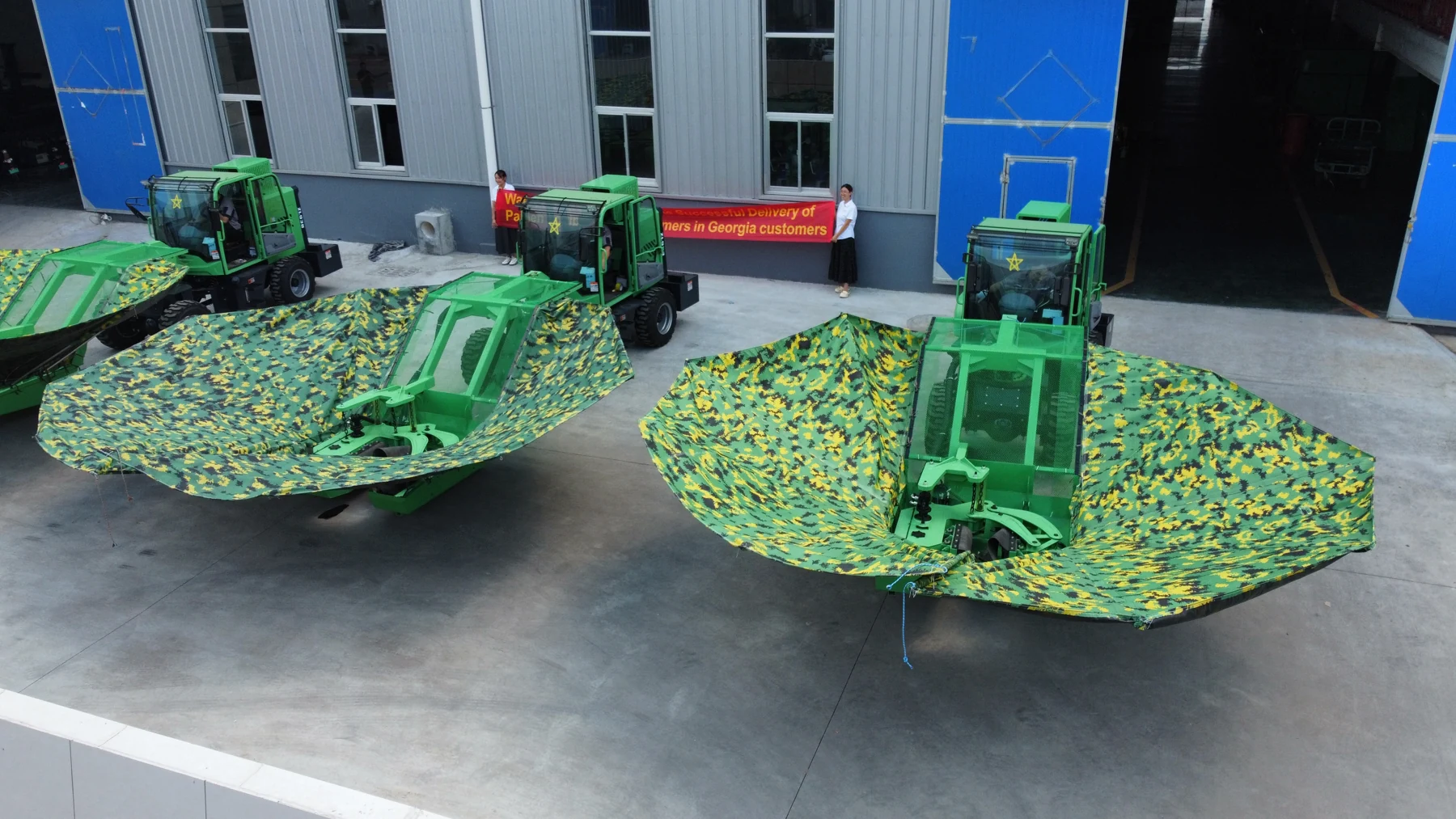
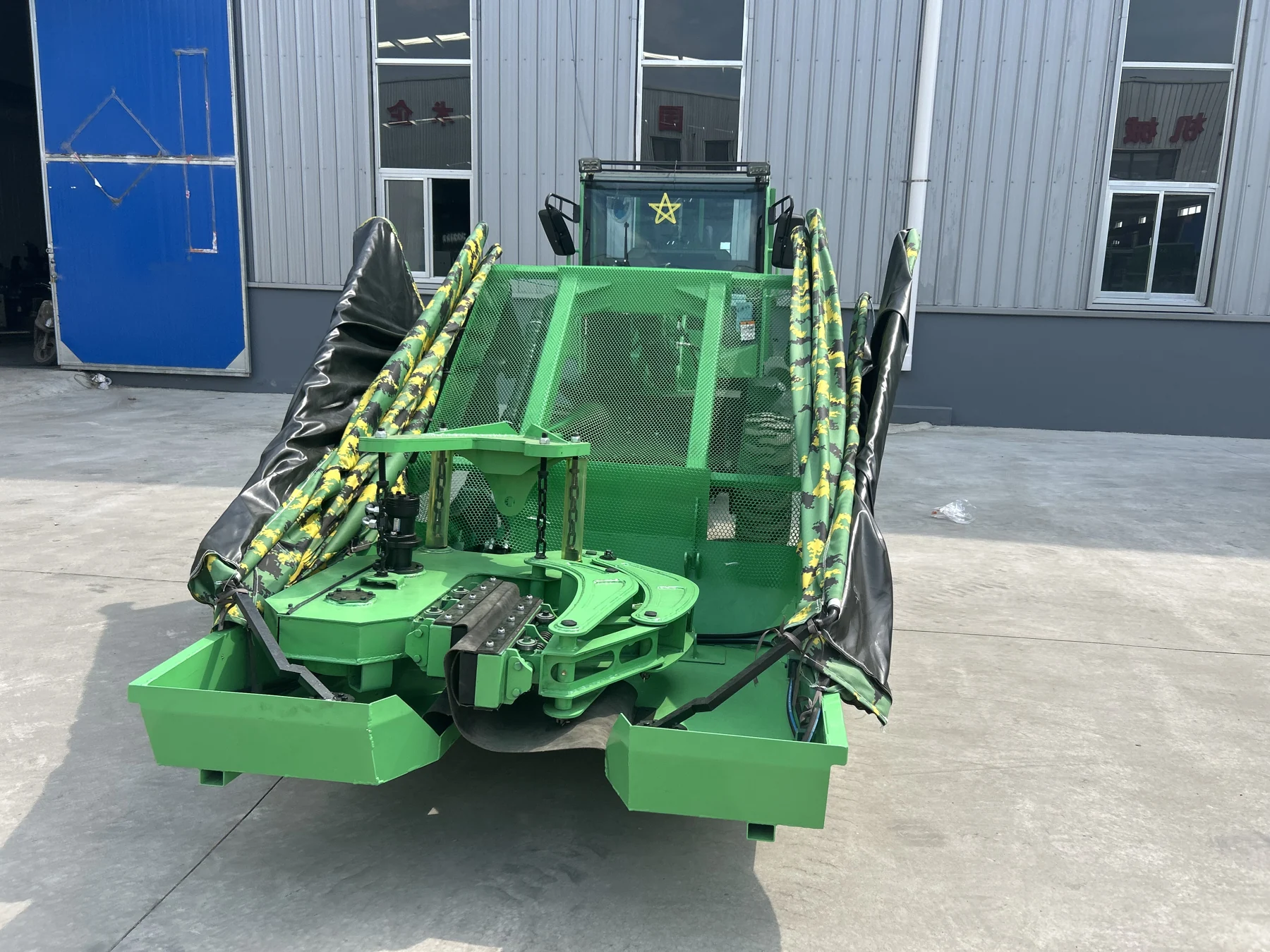
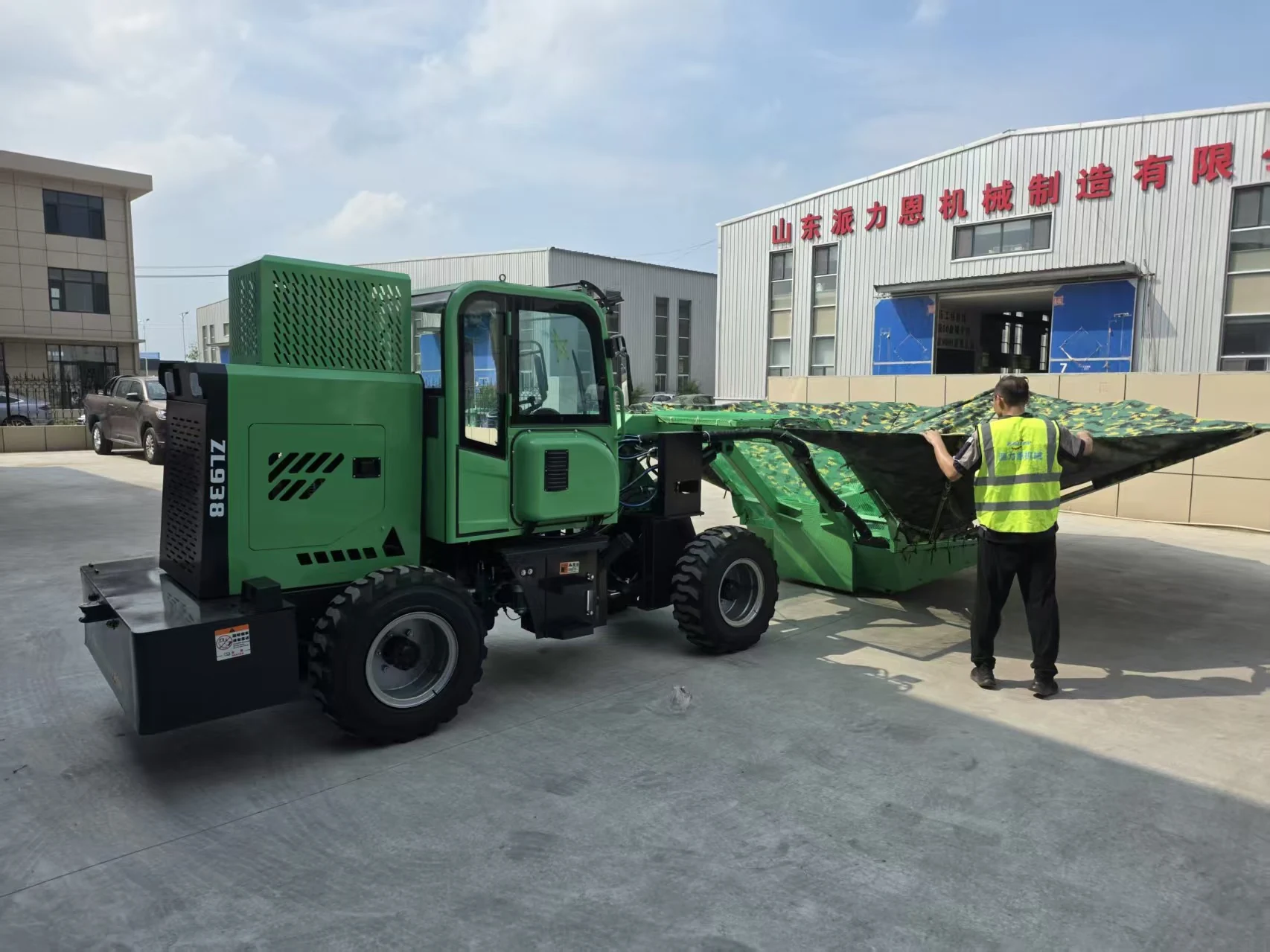
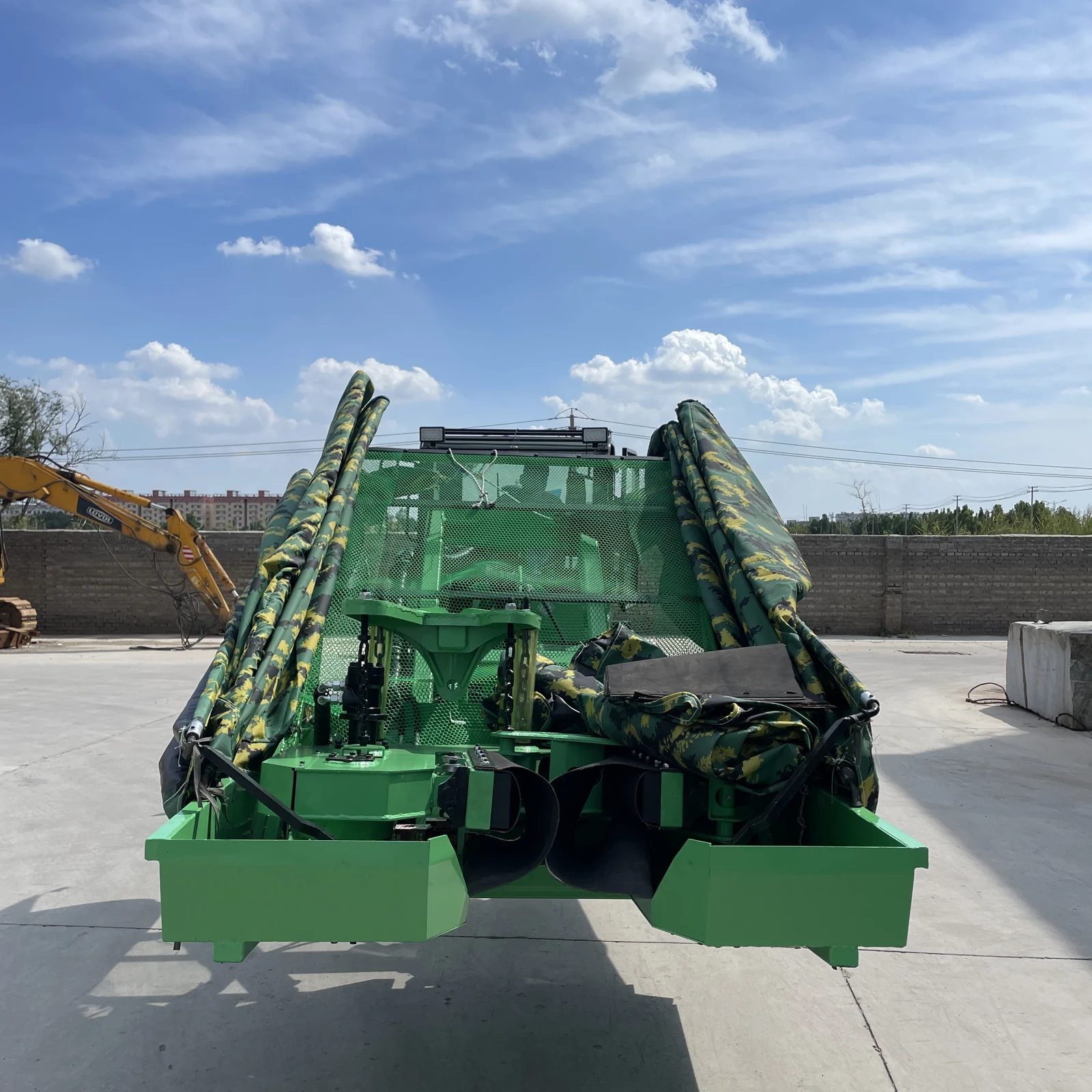
A fruit shaker with a collection umbrella combines trunk shaking with a catching arrangement beneath a suitable tree. You position the machine and collection assembly, establish the approved gripping position, open the umbrella according to the operating sequence and carry out shaking. Detached crop is caught by the collection surface and directed toward the receiving area. Confirm the precise order of functions for the supplied configuration.
This arrangement is worth reviewing when manual sheet handling or ground collection is your main difficulty. It does not remove every handling task, and it is not a substitute for checking crop suitability. You still need a way to manage fruit remaining on the tree, empty the receiving arrangement and move harvested material onward without delaying the next tree.
Check whether your trees leave room for an umbrella
Start with the lowest branches and the position of the trunk within the canopy. Measure the clear space available for the collection assembly to approach, open and close. Show irrigation lines, stakes, walls and neighbouring trunks that could enter the opening envelope. An umbrella diameter describes one dimension; it does not describe every clearance the machine needs.
Send photographs from several directions and mark a proposed machine approach. Include the tightest trees, not only the easiest examples. If you have multiple stems, a leaning trunk or a low fork, show those details close up. We can review the available configuration and identify what a representative trial needs to establish before you choose a collection setup.
Choose collection equipment around your fruit quality
Tell us what you grow, when you expect to harvest and where the crop goes next. Olives for processing, nuts and fruit intended for processing can have different handling priorities. A catch umbrella changes the route between the tree and the receiving container, but the quality of the collected crop still depends on detachment, impact, movement across the collection surface and discharge.
If you supply a fresh market with strict appearance standards, explain those requirements before selecting the machine. Test representative fruit through the entire proposed workflow and assess its condition after normal handling. Do not rely on an unsupported promise of bruise-free harvesting. Your acceptance criteria should be agreed around the crop, the buyer and the handling conditions you actually face.
Make unloading work with your containers
You need to know where the fruit exits, what container can receive it and how that container will be changed. Send bin dimensions, rim height and the equipment you use to move filled containers. If you intend to discharge into a trailer or another receiving system, share its approach and clearance requirements rather than assuming any height will work.
Ask which opening, closing and discharge functions are included in the quoted machine. A hydraulically operated umbrella does not necessarily mean an unattended harvesting cycle. Your operator still needs to follow the machine instructions and coordinate with the people managing containers. Review the full receiving arrangement before purchasing or modifying bins, and confirm the unloading position with the proposed build.
Choose the carrier as carefully as the collection system
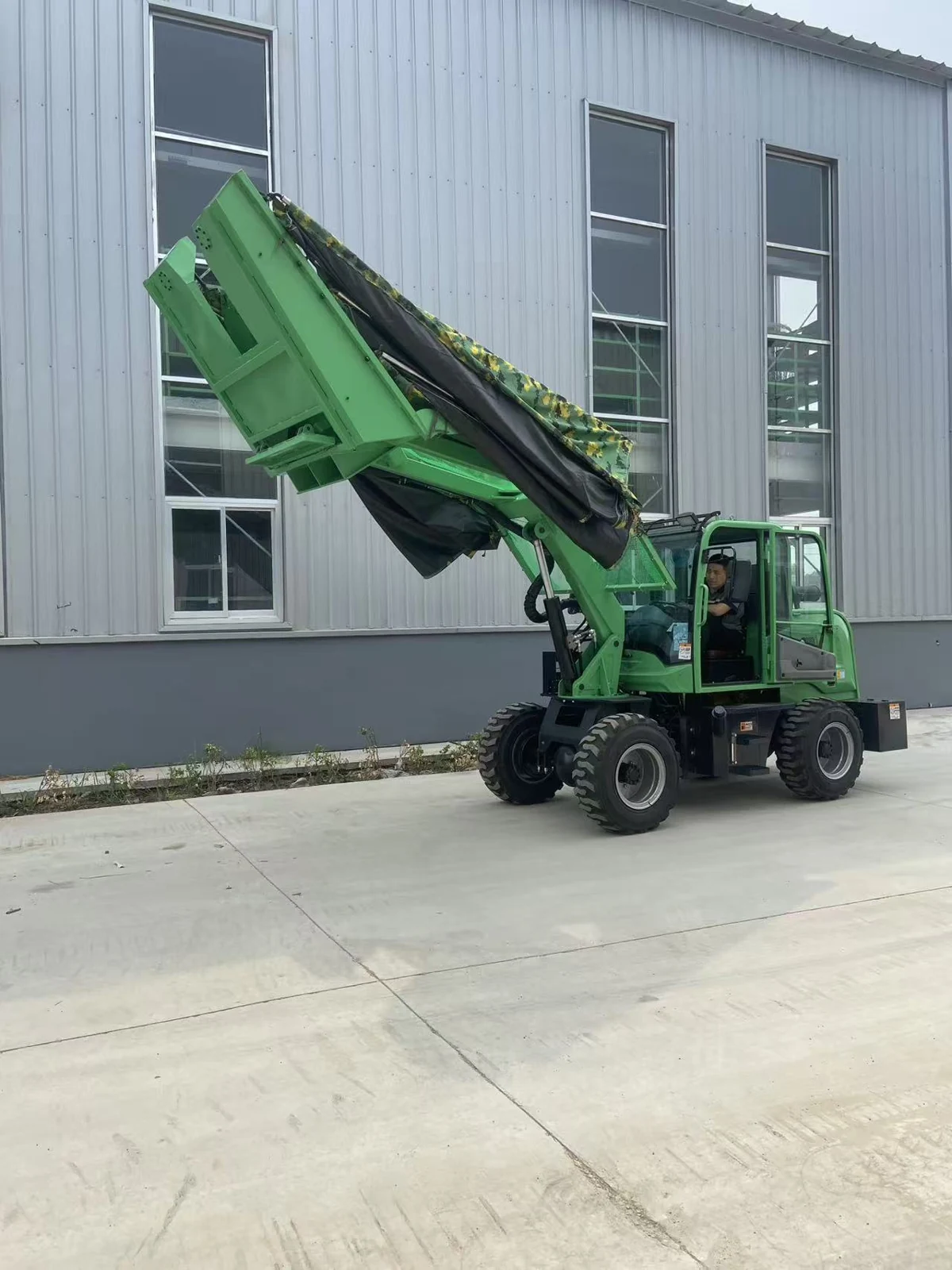
Your carrier must move between trees with the collection system in its approved travel position. Check gates, headlands and row spacing against the complete machine. A folded umbrella can change the transport length and the clear space required in front of the carrier. When moving between orchard blocks, include the loading and unloading requirements of the whole assembly.
PAILIEN product photographs include wheeled collection machines and crawler configurations with collection equipment. The parameter table on this page refers only to the illustrated PLE4YG-48 wheeled umbrella configuration. Do not apply its dimensions, engine power or weight to a crawler machine. If you prefer tracks, request the matching build information and review its operating envelope separately.
Measure the complete cycle before estimating output
Your useful output is the crop delivered onward over a working period, not only the seconds spent vibrating a tree. During a trial, record approach, head positioning, umbrella preparation, clamping, shaking, release, discharge and the move to the next tree. Record container delays and the time spent dealing with fruit left outside the collecting area.
Compare that result with your current method using representative trees and similar crop conditions. You may find that the collection arrangement changes where labour is needed rather than removing every task. Use the trial to plan operator responsibilities, container supply and transport capacity. If one step remains slow, discuss that bottleneck before selecting a larger machine or expecting a higher overall harvesting rate.
Prepare the collection system for your season
Before work, inspect the umbrella fabric, supports and opening mechanism according to the supplied instructions. Look at the receiving area and the route by which crop leaves it. Your operator should know how to stop work and report an obstruction or damaged component. Keep the correct machine identification and photographs ready when requesting support, and confirm replacement materials against the fitted collection assembly rather than using the umbrella diameter alone.
COMPARE YOUR CONFIGURATION
PLE4YG-48 wheeled umbrella configuration
| Specification | Reference value |
|---|---|
| Configuration | Self-propelled wheeled machine |
| Listed engine | 36.8 kW diesel, four cylinders |
| Listed dimensions (L x W x H) | 7200 x 1500 x 2300 mm |
| Listed net weight | 2,830 kg |
| Listed maximum clamp diameter | 480 mm |
| Listed umbrella diameter | 6 m |
| Listed vibration frequency | 15-25 Hz |
| Listed lifting height | 2.5 m; confirm the measurement reference |
Values refer to the supplied fully automatic 48-type parameter graphic, not every umbrella or crawler build. Confirm umbrella size, discharge arrangement, the meaning of lifting height and the final specification in your quotation. Canopy coverage and crop retention require a representative trial.
YOUR ORCHARD HARVESTING PARTNER
Your partner in planning the complete collection setup
You can ask PAILIEN to review tree photographs, canopy clearance and the containers you already use. We help you identify the information needed to compare carrier options, clamp capacity and the collection arrangement. If your orchard has difficult corners, low branches or uneven access, include those areas in the first review so they are not overlooked.
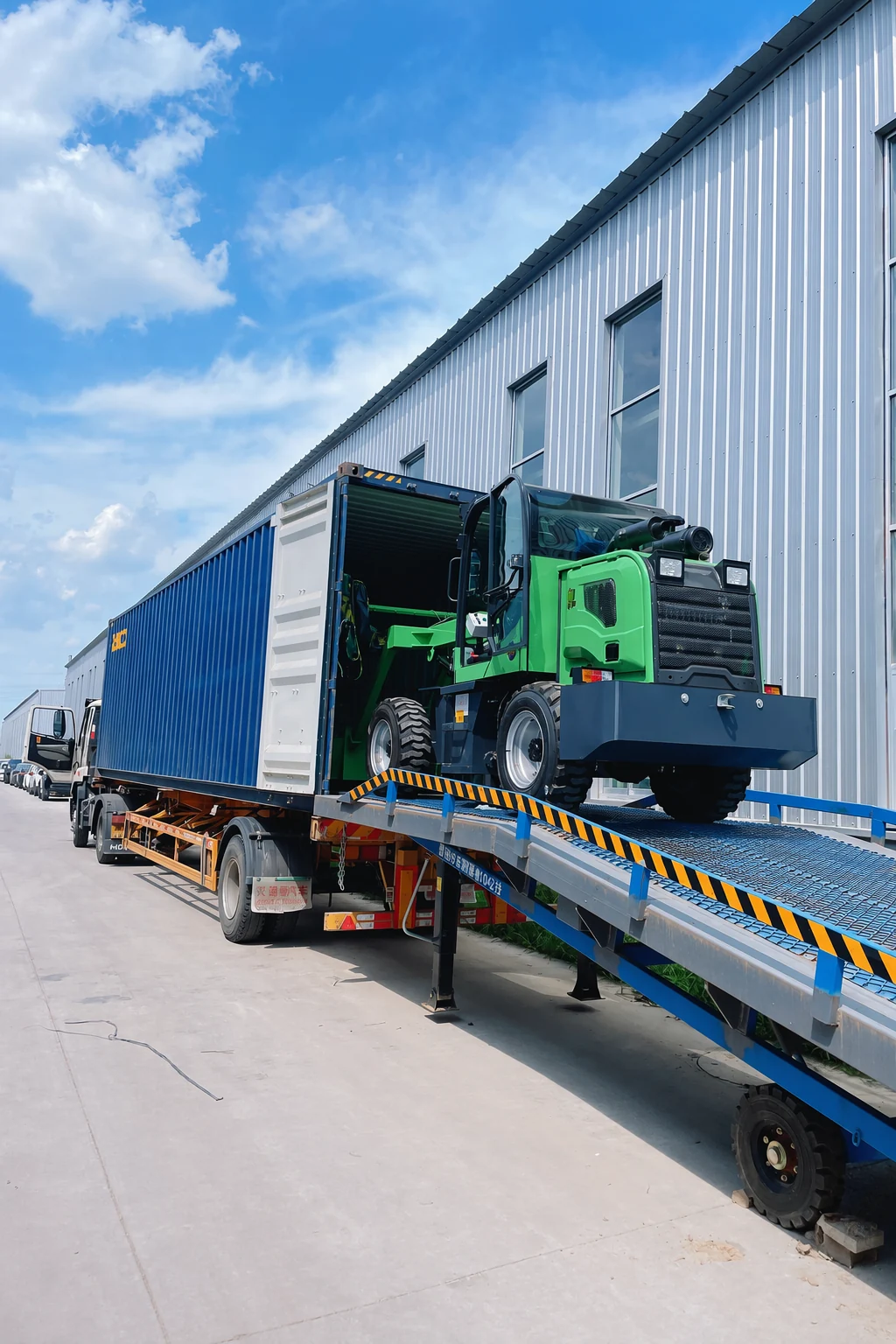
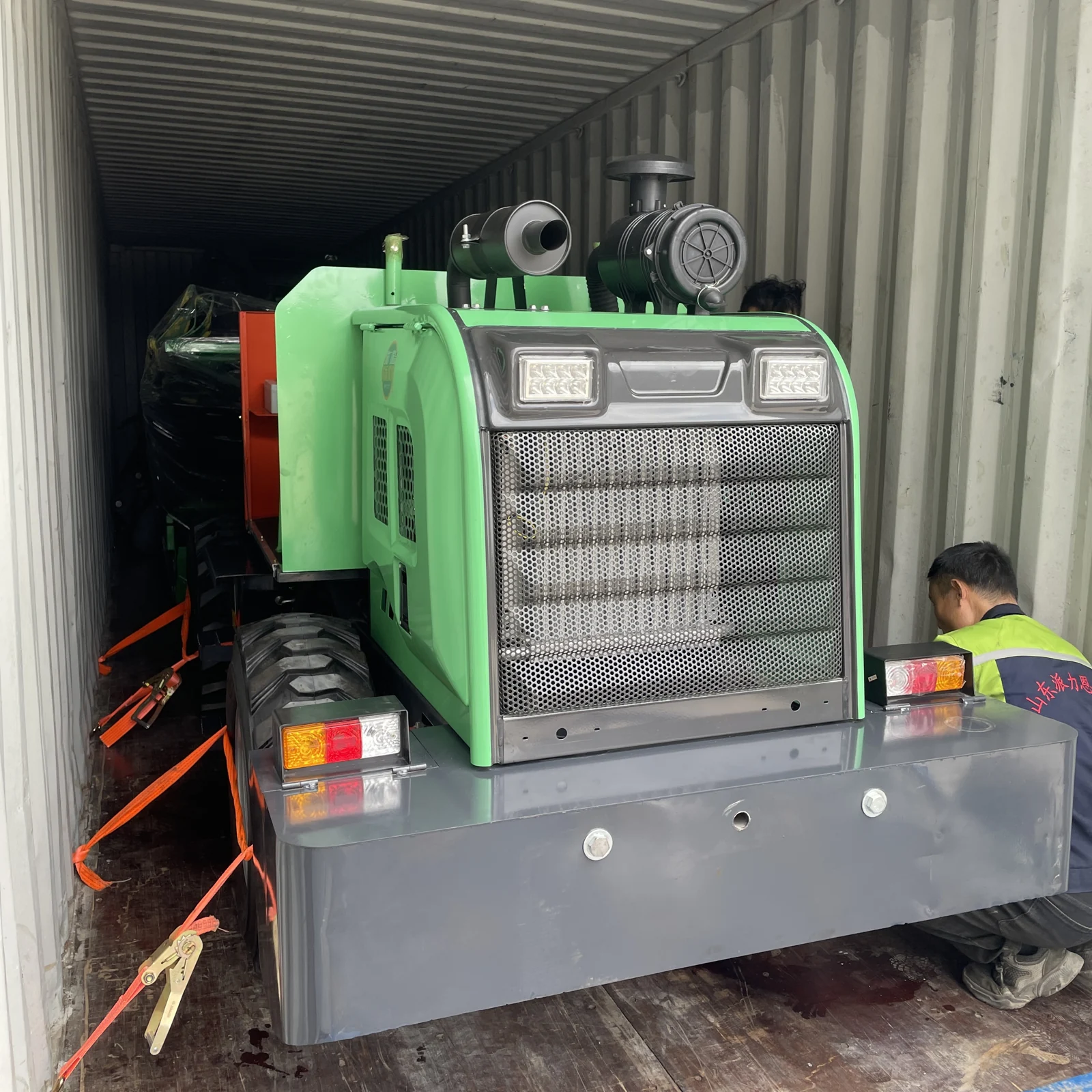
Before delivery, confirm the supplied functions, transport dimensions, packing and operating information. Request guidance for the opening and discharge sequence of your actual machine. For seasonal maintenance, send model identification and clear photos when discussing umbrella fabric, supports, clamp pads, seals or other components. We can check the fitted parts and confirm availability and lead times, helping you prepare service items before your harvest window.
- Orchard fit review
- Configuration support
- Delivery and operating information
- Parts and maintenance enquiries
Your questions, answered
Will a 6 m umbrella collect everything under my canopy?
No fixed diameter guarantees complete collection. Your canopy width, trunk position, branches and fruit trajectory affect the result. Show representative trees and assess the proposed arrangement in a trial, including fruit outside the catch area and the condition of the collected crop.
Does the machine eliminate the need for nets and workers?
Your remaining tasks depend on the orchard and the result of the trial. You still need an operator, container handling and a plan for missed or remaining fruit. Compare the complete workflow before changing your crew or discarding existing collection equipment.
Can you choose a crawler carrier with a collection umbrella?
Product materials include crawler collection configurations. Ask for the specific dimensions, weight, clamp range and opening envelope of the proposed build. The wheeled PLE4YG-48 reference table on this page must not be used as a crawler specification.
What should you send for an umbrella machine quotation?
Send crop details, trunk sizes at the gripping point, lowest branch clearance, canopy width, row and headland space, terrain photographs and your bin dimensions. Explain your current collection bottleneck so we can review a configuration around the work you need to improve.
PAILIEN
Let us help with your harvest challenge
Tell us where your collection process loses time: moving nets, gathering fallen fruit, emptying the catcher or waiting for containers. Send orchard and bin details so we can review the shaking and collection arrangement together.